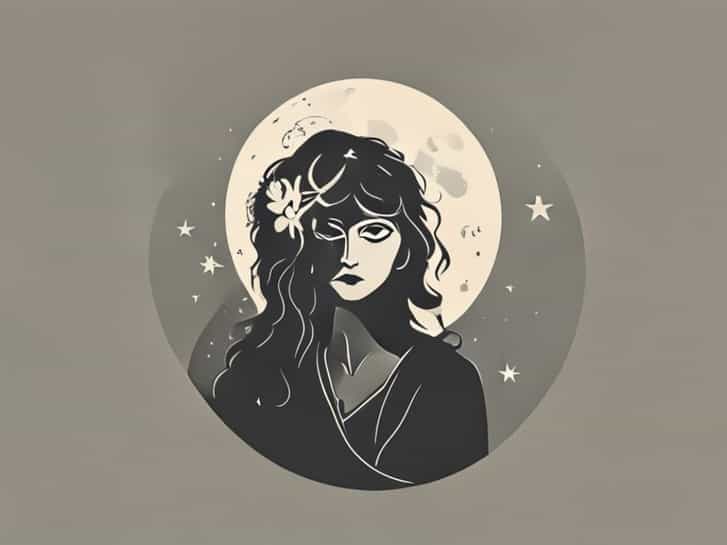
Throughout history, various cultures have revered deities associated with the moon and the hunt, particularly those who serve as protectors and patrons of young women. One of the most well-known figures in this regard is the goddess of the moon and hunting, often recognized as the patroness of maidens. She embodies independence, strength, and a deep connection with nature, reflecting the values and ideals of societies that honored her. Her stories and symbolism continue to capture the imagination of people today, influencing literature, art, and spiritual practices.
The Identity of the Moon and Hunting Goddess
The goddess of the moon and hunting is most famously represented in Greek mythology as Artemis, and in Roman tradition as Diana. Artemis is the daughter of Zeus and Leto and the twin sister of Apollo, the sun god. As a deity, she is often depicted carrying a bow and quiver, accompanied by a deer or hunting dogs, symbolizing her role as a skilled huntress and protector of wildlife.
Her connection to the moon highlights her association with femininity, intuition, and cycles of life. The moon, reflecting light in the darkness, mirrors her role as a guide and guardian for young women transitioning through different stages of life.
Artemis as Patroness of Maidens
Artemis is widely celebrated as the protector of maidens. In mythology, she often surrounded herself with a retinue of young women who had taken vows of chastity, reflecting her own independence and commitment to personal freedom. She symbolizes the empowerment of women, encouraging autonomy, courage, and self-reliance.
- Guardian of young girls and their rites of passage
- Protector against harm, illness, and misfortune
- Inspiration for physical strength and resilience
- Guide for moral integrity and personal development
This role made her an essential figure for families and communities who sought divine protection for their daughters.
Symbolism of the Moon and Hunting
The moon is central to the goddess’s identity, symbolizing cycles, intuition, and hidden knowledge. Its phases reflect the passage of time, personal growth, and renewal, mirroring the lives of the maidens under her patronage. In addition, the moon’s connection to night emphasizes her presence as a guide in times of uncertainty or danger.
Hunting represents skill, patience, and a harmonious relationship with nature. The goddess’s mastery of the hunt teaches self-discipline, focus, and courage, qualities she extends to those she protects.
Common Symbols Associated with Her
- Bow and arrows, representing precision and strength
- Deer or stag, symbolizing grace and agility
- Moon, reflecting guidance and intuition
- Hunting dogs, embodying loyalty and companionship
These symbols not only identify her in art and literature but also convey lessons on character and virtue.
Myths and Legends
Numerous myths highlight the goddess’s dual role as a hunter and protector. One story recounts how she defended a group of nymphs from harm, teaching the importance of vigilance and solidarity. Another myth emphasizes her independence, as she preferred the wilderness over courtly life, illustrating self-sufficiency and the strength found in solitude.
These legends often portray her as a fierce yet nurturing figure, balancing power with care, and embodying ideals of courage, chastity, and protection.
Rites and Worship
In ancient Greece and Rome, rituals and festivals were held in her honor. Temples dedicated to Artemis often served as sacred spaces where young women could seek her blessing during key life transitions, such as coming of age ceremonies or before marriage.
- Offerings of fruits, herbs, or crafted items
- Prayers for protection and guidance
- Festivals celebrating hunting, nature, and the moon
- Training in physical skills, such as archery, as a form of devotion
These practices reinforced her role as a guardian and mentor to maidens and reinforced cultural values of respect, courage, and independence.
The Goddess’s Influence on Women
Beyond mythology, the goddess of the moon and hunting continues to inspire women in contemporary culture. She represents empowerment, resilience, and connection to nature. Her imagery encourages self-confidence and celebrates personal strength, reminding individuals that independence and compassion can coexist.
Modern Symbolic Relevance
Today, the goddess serves as a symbol in literature, art, and spiritual practices. Women invoke her qualities to gain courage, embrace intuition, or cultivate a strong sense of identity. Her protective and guiding aspects remain relevant as metaphors for mentorship, guardianship, and personal development.
- Role model for leadership and self-reliance
- Representation of feminine strength and wisdom
- Encouragement for balance between independence and nurturing
- Inspiration for creative and artistic expression
The Moon as a Feminine Archetype
The goddess’s lunar aspect ties her to cycles of life, reflecting birth, growth, maturity, and renewal. Like the moon, she guides through darkness, providing insight and protection during challenging times. This connection reinforces her identity as a patroness of maidens, helping them navigate the transition from youth to adulthood with confidence and grace.
Connection to Nature
Her hunting and wilderness associations emphasize a harmonious relationship with the natural world. By mastering the hunt and respecting wildlife, she teaches the importance of balance, patience, and understanding one’s environment, which are lessons extended to her human followers.
Lessons from the Goddess
The goddess of the moon and hunting offers timeless lessons for personal development and ethical living. Her stories teach courage, independence, protection of the vulnerable, and respect for the natural world. She encourages individuals to embrace self-sufficiency while remaining compassionate and nurturing.
- Independence without arrogance
- Strength guided by morality
- Protection of others with wisdom and care
- Harmony with nature and spiritual cycles
The goddess of the moon and hunting, patroness of maidens, embodies a rich combination of strength, wisdom, and compassion. She represents the virtues of independence, courage, and guidance, while her lunar and hunting symbolism teaches patience, intuition, and harmony with nature. Her influence continues to inspire women and men alike, serving as a model for personal growth, ethical behavior, and spiritual reflection. By studying her myths, symbols, and teachings, we gain insight into the values that guided ancient societies and continue to offer guidance for modern life.