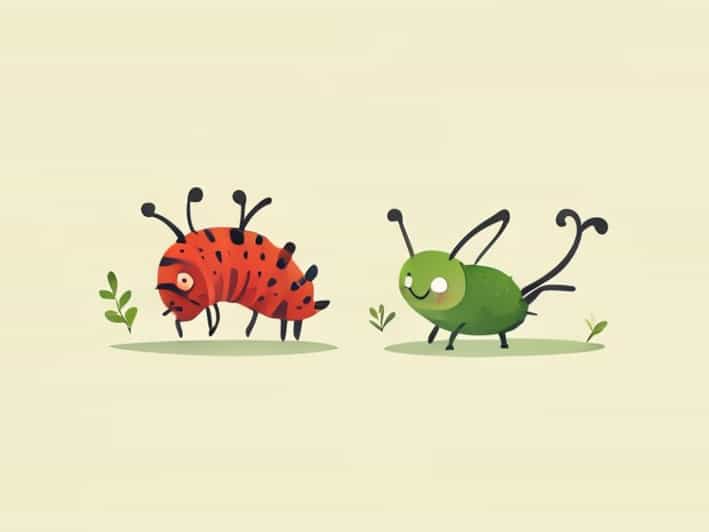
The Caterpillar and the Polliwog is a beloved children’s story produced by Weston Woods, a company known for adapting classic and contemporary picture books into animated and narrated films for young audiences. The story explores themes of growth, change, and friendship through the journey of a caterpillar and a polliwog as they navigate their respective transformations. Weston Woods’ adaptation brings the illustrations and narrative of the original book to life, combining animation, narration, and sound effects to create an engaging experience for children. This story is especially effective for teaching lessons about patience, understanding differences, and embracing the natural processes of life.
Overview of the Story
The story follows two main characters a caterpillar, who is slowly preparing to become a butterfly, and a polliwog, who is beginning the journey to becoming a frog. Both characters are initially focused on their individual experiences, learning about the world around them, and facing the challenges that come with their stages of development. Through playful interactions and conversations, the caterpillar and polliwog form a friendship that allows them to share insights and support each other through their transformations.
Plot Summary
The narrative begins with the caterpillar munching on leaves and enjoying the warmth of the sun, while the polliwog swims in the pond and learns about his environment. As the story progresses, the caterpillar feels the urge to create a cocoon, understanding that a significant change is coming. Meanwhile, the polliwog begins to notice physical changes, such as the development of legs and preparation for life outside the water. Their friendship provides a comforting presence as each character confronts uncertainty and the unknown aspects of their metamorphosis.
- The caterpillar’s journey emphasizes patience, resilience, and trust in the natural process of change.
- The polliwog’s transformation highlights adaptability, courage, and the excitement of growth.
- The story concludes with both characters completing their transformations, symbolizing the rewards of perseverance and the beauty of change.
Weston Woods Adaptation
Weston Woods, a well-known producer of animated adaptations of children’s literature, brings The Caterpillar and the Polliwog to life with vibrant visuals and engaging narration. The adaptation maintains the charm and educational value of the original book while enhancing it with sound effects, background music, and animated movements. This approach captures the attention of young viewers and helps reinforce the educational themes of the story, such as understanding life cycles, developing empathy, and appreciating the natural world.
Visual Style and Animation
The animation style used by Weston Woods emphasizes the gentle, naturalistic environments of the caterpillar and polliwog. Soft colors, flowing movements, and realistic yet playful depictions of the characters allow children to connect with the story while learning about the creatures’ habitats. The visual representation of transformation-such as the caterpillar entering the cocoon and the polliwog growing legs-is both clear and accessible for young viewers, making it easier for them to understand the concept of metamorphosis.
Narration and Sound Design
In addition to visuals, narration plays a crucial role in the Weston Woods adaptation. A warm and expressive voice guides viewers through the story, emphasizing important lessons and emotions. Sound effects, such as the rustling of leaves, the splash of the pond, and the subtle hum of nature, enhance the immersive experience. The combination of narration and sound design makes the story appealing and memorable, encouraging repeated viewing and active engagement.
Educational Themes
The Caterpillar and the Polliwog is not only entertaining but also educational, offering multiple learning opportunities for children. The story introduces biological concepts, such as the life cycles of butterflies and frogs, in a way that is accessible to young audiences. It also provides lessons on social-emotional development, including friendship, patience, and coping with change. Teachers and parents can use the story to start discussions about nature, growth, and the importance of supporting friends through challenges.
Life Cycle Education
The metamorphosis of the caterpillar into a butterfly and the polliwog into a frog is portrayed accurately, providing a visual and narrative explanation of life cycles. Children can see the stages of growth, understand the concept of transformation, and learn that change is a natural part of life. This visual storytelling complements classroom instruction and reinforces scientific concepts in a fun and engaging way.
Social and Emotional Learning
The story also addresses social and emotional learning. The friendship between the caterpillar and the polliwog demonstrates empathy, cooperation, and mutual support. Children watching the story learn that friends can help each other face fears, adapt to new situations, and celebrate successes. This emphasis on emotional growth is valuable in early childhood education and helps children develop positive interpersonal skills.
Impact and Reception
Weston Woods’ adaptation of The Caterpillar and the Polliwog has been well-received by educators, parents, and children alike. Its combination of storytelling, animation, and educational content makes it a useful resource for classrooms, libraries, and home learning environments. Many teachers use the film as part of lessons on life cycles, animals, or emotional intelligence, citing its ability to hold children’s attention and stimulate discussion. The story has also been praised for its gentle approach to topics like change and growth, making it suitable for a wide range of ages.
Cross-Disciplinary Use
The story is versatile, allowing for cross-disciplinary educational use. For example
- Science lessons Teaching about life cycles, metamorphosis, and ecosystems.
- Literature Exploring narrative structure, character development, and storytelling techniques.
- Social-emotional learning Discussing friendship, empathy, and coping with change.
- Art and creativity Encouraging children to draw their own versions of the caterpillar, polliwog, and other animals in nature.
This multidisciplinary approach enhances the value of Weston Woods adaptations and reinforces the educational potential of children’s literature in animated form.
The Caterpillar and the Polliwog by Weston Woods is an exemplary adaptation of a children’s story that combines education, entertainment, and emotional learning. Through its vivid animation, expressive narration, and careful attention to biological accuracy, the film engages children while teaching important lessons about life cycles, friendship, and personal growth. By highlighting the transformations of the caterpillar and polliwog, the story encourages young viewers to embrace change and appreciate the natural world. Its impact extends beyond entertainment, serving as a valuable educational tool that supports both cognitive and social-emotional development in children. For parents, educators, and children alike, this adaptation demonstrates how storytelling can be both informative and inspiring, making The Caterpillar and the Polliwog a memorable and meaningful experience.