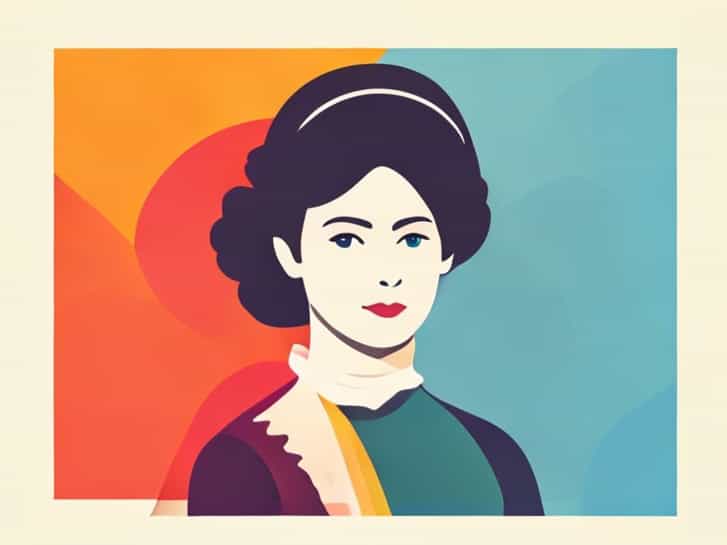
Pride and Prejudice, written by Jane Austen and first published in 1813, is one of the most beloved novels in English literature. The story is set in early 19th century England and explores themes of love, social class, and the consequences of pride and prejudice on human relationships. At the heart of the novel is the Bennet family, particularly Elizabeth Bennet, a sharp-witted and independent young woman. Austen’s novel blends romance, social commentary, and humor, providing readers with a timeless story that examines the importance of understanding, patience, and personal growth. The characters, their interactions, and the societal pressures they face create a rich tapestry that continues to resonate with readers today.
Main Characters of Pride and Prejudice
The novel’s charm lies in its memorable and well-developed characters. Understanding them is key to grasping the story’s dynamics and themes.
Elizabeth Bennet
Elizabeth Bennet is the second eldest of five daughters in the Bennet family. Intelligent, witty, and independent, she is known for her sharp observations and strong opinions. Elizabeth challenges social norms with her insistence on marrying for love rather than wealth or social status. Her journey throughout the novel involves overcoming her own prejudices and learning to see the true character of others, particularly Mr. Darcy.
Fitzwilliam Darcy
Mr. Darcy is a wealthy, reserved gentleman whose pride and social standing initially create misunderstandings with Elizabeth. Though he appears arrogant, Darcy is honorable, kind, and capable of great personal growth. His relationship with Elizabeth forms the core romantic storyline of the novel, illustrating how pride can be tempered by love, understanding, and humility.
The Bennet Family
The Bennet family is central to the story, providing both conflict and comic relief. Mr. Bennet is witty but often detached, while Mrs. Bennet is anxious and obsessed with marrying off her daughters. Jane, Elizabeth’s elder sister, is gentle and beautiful, admired for her kindness and charm. The other Bennet sisters-Mary, Kitty, and Lydia-each have distinct personalities that contribute to the narrative and social commentary.
Other Important Characters
- Jane Bennet – The eldest Bennet sister, known for her beauty and good nature. She forms a romantic subplot with Mr. Bingley.
- Mr. Bingley – Darcy’s wealthy and amiable friend, whose love for Jane Bennet faces interference from social pressures.
- Lydia Bennet – The youngest Bennet daughter, reckless and flirtatious, whose actions nearly bring scandal to the family.
- George Wickham – A charming but deceitful officer, whose past with Darcy creates tension and misunderstandings.
Plot Summary of Pride and Prejudice
The novel begins with the famous line, It is a truth universally acknowledged, that a single man in possession of a good fortune, must be in want of a wife. This sets the tone for a story centered around marriage, social expectations, and the interactions between different social classes.
Arrival of Mr. Bingley
The story begins with the arrival of the wealthy and eligible bachelor, Mr. Bingley, at Netherfield Park. His presence excites the Bennet family, particularly Mrs. Bennet, who hopes to marry one of her daughters to him. Mr. Bingley soon becomes close to Jane Bennet, and their mutual attraction is evident. However, social pressures and misunderstandings, particularly influenced by Mr. Darcy’s pride, create obstacles for their relationship.
Elizabeth and Darcy
Elizabeth Bennet meets Mr. Darcy at a ball, where his reserved and proud demeanor immediately offends her. Over time, Elizabeth forms prejudiced opinions of Darcy, especially after meeting George Wickham, who falsely claims that Darcy wronged him. Their initial misunderstandings and conflicting personalities form the backbone of the novel’s central conflict, with both characters needing to overcome their pride and prejudices.
Social and Familial Challenges
The Bennet family faces numerous challenges due to their social status and the behavior of its members. Lydia Bennet’s flirtation with officers and eventual elopement with Wickham threatens the family’s reputation. Elizabeth and Darcy navigate these social pressures, with Darcy ultimately intervening to prevent scandal. These events test the characters’ morals, loyalties, and capacity for personal growth.
Resolution and Marriage
By the end of the novel, misunderstandings are resolved. Elizabeth recognizes Darcy’s true character and values, while Darcy overcomes his pride to express his love and admiration for Elizabeth. Mr. Bingley returns to Jane, and the couples marry, symbolizing the triumph of love, understanding, and social harmony. Austen concludes the story with a reflection on the importance of self-awareness, humility, and the ability to see beyond first impressions.
Themes in Pride and Prejudice
Pride and Prejudice explores a variety of themes that remain relevant today
Marriage and Social Class
The novel examines the social pressures surrounding marriage in early 19th century England. Wealth, status, and family connections heavily influence romantic relationships, and characters must navigate these constraints to achieve happiness.
Pride and Prejudice
The title itself highlights the central themes. Pride refers to the characters’ sense of self-importance and social position, especially in Darcy. Prejudice reflects Elizabeth’s initial judgments and biases. The story demonstrates how overcoming these personal flaws leads to growth and fulfillment.
Family and Reputation
The importance of family and social reputation drives much of the plot. The Bennet family’s interactions with neighbors, suitors, and society reveal the delicate balance between personal desires and social expectations.
Individual Growth
A central theme is the personal development of characters. Both Elizabeth and Darcy undergo significant transformation, learning to temper pride, reassess prejudices, and appreciate the value of honesty, kindness, and understanding.
Significance of Pride and Prejudice
Pride and Prejudice has remained a literary classic for its engaging storytelling, complex characters, and exploration of timeless human themes. Jane Austen’s sharp wit, social commentary, and insight into human behavior make the novel both entertaining and thought-provoking. Its portrayal of love, societal pressures, and personal growth continues to resonate with readers, making it an enduring study of human relationships and social norms.
Adaptations and Cultural Impact
The novel has inspired numerous adaptations, including films, television series, and modern retellings. Each adaptation highlights different aspects of the story while maintaining the central themes of love, pride, and social critique. Pride and Prejudice has influenced countless writers and remains a staple in literary education, emphasizing its lasting cultural and literary significance.
Pride and Prejudice by Jane Austen is a rich and engaging novel that explores love, social class, and the impact of pride and prejudice on human relationships. Through the journey of Elizabeth Bennet, Mr. Darcy, and the Bennet family, readers experience a story of personal growth, misunderstandings, and ultimate reconciliation. The novel’s humor, social commentary, and memorable characters have ensured its place as a timeless classic, continuing to captivate and inspire readers around the world. Its themes of love, morality, and social observation remain as relevant today as they were over two centuries ago.