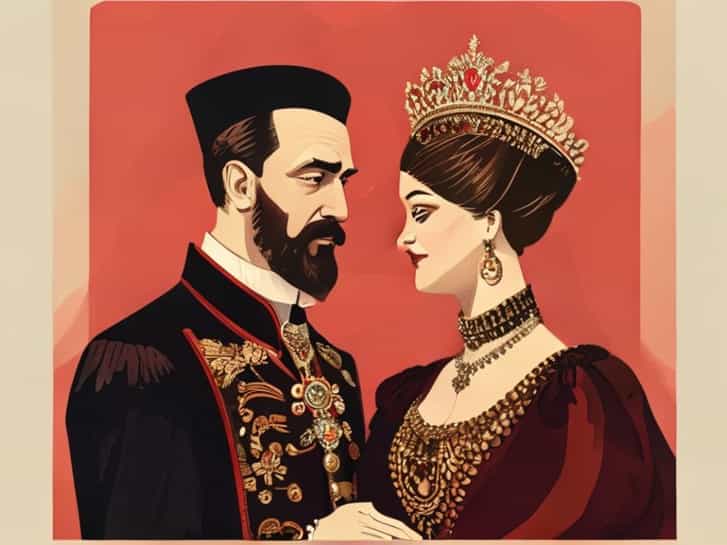
Grigori Rasputin, the enigmatic Russian mystic, remains one of the most controversial figures in early 20th-century Russian history. His influence over the Romanov family, particularly Tsarina Alexandra, has led to widespread speculation and countless conspiracy theories. Among the most persistent rumors is whether Rasputin had an affair with the Czarina. While historical accounts confirm a close and emotionally charged relationship, the nature of their connection has been the subject of debate among historians, biographers, and researchers. Examining the evidence, context, and political climate of the time helps illuminate the truth behind these enduring rumors.
The Background of Rasputin and the Romanovs
Grigori Rasputin was born in 1869 in a small Siberian village and gained fame as a mystic and faith healer. By the early 1900s, his reputation for spiritual insight and healing powers reached the Russian capital. The Romanov family, ruling Russia for over three centuries, faced significant political and personal challenges, including the health of their heir, Alexei Nikolaevich, who suffered from hemophilia. The Tsarina Alexandra, desperate for any remedy that could help her son, welcomed Rasputin’s guidance, as he seemed to provide relief for Alexei’s condition.
The Czarina’s Trust in Rasputin
Alexandra Fyodorovna, married to Nicholas II, was deeply devoted to her family and intensely protective of her children. Rasputin’s ability to calm and aid Alexei created a profound bond between him and the Tsarina. Historical records indicate that Alexandra often confided in Rasputin and sought his counsel on both personal and political matters. This close connection, along with Rasputin’s influence in court decisions, fueled rumors of a romantic or sexual relationship, though concrete evidence remains elusive.
Evidence and Allegations of an Affair
Several claims have suggested a sexual relationship between Rasputin and the Tsarina, but most are based on hearsay, political propaganda, or biased accounts from enemies of the Romanovs. During Rasputin’s life, many nobles, journalists, and foreign diplomats sought to discredit him by portraying him as morally corrupt and manipulative. Pamphlets, rumors, and scandalous stories circulated widely, alleging inappropriate intimacy between the mystic and the Czarina.
Contemporary Accounts
Some contemporaries, particularly political opponents of the Romanovs, wrote extensively about the alleged affair. These accounts were often sensationalized to undermine the Tsarina’s credibility and weaken her influence over the Tsar. While such reports hint at impropriety, most historians view them as exaggerated or unverified. Letters, diaries, and memoirs from trusted family members and allies rarely suggest a sexual relationship, instead emphasizing a spiritual and emotional connection.
Analysis of Their Relationship
Historians argue that the Tsarina’s reliance on Rasputin was primarily emotional and pragmatic rather than sexual. Rasputin’s perceived healing abilities, combined with Alexandra’s isolation from political advisors and distrust of the nobility, created an unusually close relationship. Rasputin often acted as a confidant and counselor, giving advice on court matters and public policy. His frequent presence at the royal residence and influence over Alexandra’s decisions fueled gossip and scandal, reinforcing the belief among outsiders that their bond was improper.
Political and Social Context
The social and political atmosphere of pre-revolutionary Russia amplified the rumors. Rasputin’s presence at court coincided with widespread dissatisfaction with the monarchy, ongoing war, and growing revolutionary sentiment. Political opponents used allegations of impropriety to attack the Tsarina’s judgment and portray her as morally compromised. Rumors of an affair with Rasputin became a potent tool to erode public confidence in the monarchy and justify calls for reform or revolution.
Propaganda and Anti-Rasputin Campaigns
During the final years of the Romanov reign, newspapers, pamphlets, and political groups circulated sensational stories about Rasputin and Alexandra. These often depicted sexualized scenarios designed to shock the public and undermine the royal family’s authority. While compelling in narrative, these sources are not considered reliable historical evidence, as they were frequently motivated by political agendas rather than truth.
The Role of the Russian Nobility
Many members of the nobility distrusted Rasputin and resented his influence over the Tsarina. Their testimonies, often hostile, contributed to the perception of a romantic relationship, though these claims were more likely intended to vilify Rasputin and discredit Alexandra. By highlighting supposed personal misconduct, the nobility sought to weaken Rasputin’s standing and protect their own political power.
Modern Historical Perspectives
Contemporary historians tend to approach the question of an affair with skepticism. Most agree that there is no definitive evidence to support a sexual relationship between Rasputin and Alexandra. Instead, scholars emphasize the emotional intimacy, trust, and reliance on spiritual guidance that characterized their interactions. Rasputin’s influence was real, but it was primarily psychological and advisory, rather than romantic or sexual.
Scholarly Analysis
Research by historians such as Robert K. Massie and Simon Sebag Montefiore highlights the importance of understanding the cultural, religious, and psychological context. Alexandra’s devout faith, Rasputin’s role as a spiritual healer, and the pressures of royal duty all contributed to a relationship that outsiders misinterpreted. Montefiore notes that political enemies deliberately distorted the relationship to create scandal and justify their opposition to the monarchy.
Public Fascination with Scandal
The enduring allure of a possible affair is rooted in public fascination with intrigue, scandal, and the fall of the Romanovs. Rasputin’s unconventional personality, combined with Alexandra’s perceived vulnerability and mysticism, created a narrative that was irresistible to sensationalist writers and the public alike. Over time, the myth of a romantic liaison has overshadowed the historical reality of their functional and emotionally charged partnership.
while rumors of an affair between Rasputin and the Czarina persist in popular culture, historical evidence does not support the claim. Their relationship was undeniably close, emotionally intense, and politically significant, but it appears to have been primarily based on trust, spiritual guidance, and Alexandra’s need for support during a turbulent period in Russian history. The combination of political intrigue, public gossip, and enemy propaganda fueled the enduring myth of an affair, but scholarly analysis suggests that their connection was non-sexual and rooted in the extraordinary circumstances surrounding the Romanov family and their challenges. Understanding this distinction provides a more accurate perspective on the legacy of Rasputin and the Czarina, separating sensationalized rumor from historical reality.