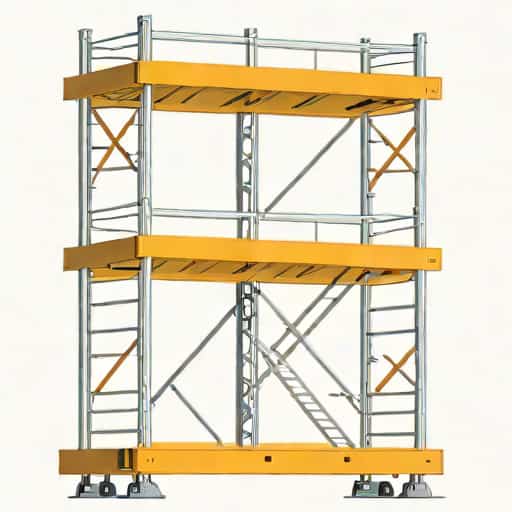
In the construction and maintenance industries, working at heights requires specialized equipment to ensure both efficiency and safety. One essential piece of equipment is the single tier nonadjustable suspended scaffold. This type of scaffold provides workers with a stable platform for tasks such as painting, window cleaning, and exterior building repairs. Unlike multi-tier or adjustable scaffolds, a single tier nonadjustable suspended scaffold is fixed in height and consists of a single working platform suspended from an overhead structure. Its simplicity, reliability, and ease of setup make it a popular choice for specific applications where height requirements are predetermined and do not need frequent adjustments. Understanding the design, safety considerations, and practical applications of these scaffolds is crucial for employers, contractors, and safety managers aiming to maintain a secure working environment.
Design and Components
A single tier nonadjustable suspended scaffold is designed with simplicity and functionality in mind. The scaffold typically includes a working platform, suspension ropes or cables, anchorage points, and safety components such as guardrails and toe boards. The working platform is usually made of steel or aluminum, providing a strong yet lightweight surface for workers and their tools. Suspension ropes or cables connect the platform to secure anchorage points on the building or structure above, ensuring stability and weight distribution.
Key Components
- Working PlatformThe single level surface where workers perform their tasks. It is designed to support the combined weight of personnel and equipment safely.
- Suspension SystemIncludes ropes, cables, or chains that suspend the platform from overhead anchor points. These components are critical for maintaining the scaffold’s stability.
- Anchorage PointsSecure points on the building or structure from which the scaffold is suspended. These must be capable of supporting the scaffold’s load and meet safety regulations.
- Guardrails and Toe BoardsSafety features that prevent workers and tools from falling off the platform.
- Access Ladders or StairsDepending on the design, access to the platform may be via ladder or built-in stairs, ensuring safe ascent and descent.
The simplicity of these components contributes to the ease of installation and reliability of the scaffold when used correctly. Unlike adjustable scaffolds, there are no complex mechanisms for raising or lowering the platform, reducing potential points of failure.
Safety Considerations
Safety is paramount when using a single tier nonadjustable suspended scaffold. Because workers operate at height, fall protection and proper installation are critical. OSHA and other regulatory bodies provide specific guidelines to ensure safe use, including load capacity limits, inspection protocols, and anchorage requirements. Employers must ensure that all personnel are trained in scaffold setup, usage, and emergency procedures.
Fall Protection
Even with guardrails and toe boards in place, workers should use personal fall arrest systems when working on suspended scaffolds. Harnesses attached to secure anchor points can prevent serious injury in case of accidental slips or missteps. Fall protection is a key requirement and should be combined with regular safety training and inspection routines.
Load Capacity and Weight Distribution
One critical safety consideration is the scaffold’s load capacity. The platform must support the combined weight of workers, tools, and materials without risk of collapse. Weight distribution is also important; overloading one side of the platform can cause tilting or structural failure. Proper planning and adherence to load limits are essential to ensure safety.
Applications of Single Tier Nonadjustable Suspended Scaffolds
Single tier nonadjustable suspended scaffolds are used in a variety of construction, maintenance, and repair tasks. Their design makes them particularly suitable for jobs where a fixed height is sufficient, or where continuous access to a specific section of a building facade is required.
Common Uses
- Painting and CoatingIdeal for exterior painting projects on high-rise buildings, allowing painters to work safely and efficiently along a single level.
- Window CleaningProvides stable access for cleaning large windows in commercial and residential buildings.
- Facade RepairsEnables masons, carpenters, or repair workers to access a building’s exterior for restoration, repairs, or maintenance.
- Signage and Decoration InstallationUsed for installing signage, lighting, or decorative elements at predetermined heights.
The scaffold’s simplicity and stability make it a reliable solution for these tasks, particularly when adjustments to height are unnecessary.
Advantages Over Other Scaffold Types
Single tier nonadjustable suspended scaffolds offer several advantages compared to adjustable or multi-tier systems
- Easy and quick installation due to fewer moving parts.
- Lower maintenance requirements compared to adjustable platforms.
- Reduced risk of mechanical failure since there are no complex adjustment mechanisms.
- Cost-effective solution for tasks requiring access to a fixed height.
These benefits make the single tier scaffold a preferred choice for projects with defined height requirements and repetitive work along the same level.
Inspection and Maintenance
Regular inspection and maintenance are essential to ensure the scaffold remains safe for use. Components should be checked for wear, corrosion, or damage before each use. Anchoring points must be secure, and suspension ropes or cables should be free from frays or weaknesses. Any defects or safety concerns should be addressed immediately to prevent accidents.
Inspection Checklist
- Check guardrails and toe boards for secure attachment.
- Inspect suspension ropes or cables for signs of wear or damage.
- Verify that anchorage points are stable and capable of supporting the scaffold’s load.
- Ensure the platform is level and free of debris or obstacles.
- Confirm that access points such as ladders or stairs are secure and safe to use.
By adhering to inspection protocols and performing routine maintenance, contractors can maximize both safety and scaffold lifespan.
The single tier nonadjustable suspended scaffold is an essential tool in the construction and maintenance industries, providing a safe and stable working platform for tasks at height. Its simplicity, reliability, and cost-effectiveness make it ideal for projects with fixed height requirements, including painting, window cleaning, facade repairs, and signage installation. Safety remains the top priority, and proper use involves adherence to regulatory standards, fall protection measures, and routine inspections. By understanding its design, applications, and safety considerations, employers and workers can maximize efficiency while minimizing risk, ensuring that the single tier nonadjustable suspended scaffold remains a valuable asset in modern construction and maintenance practices.