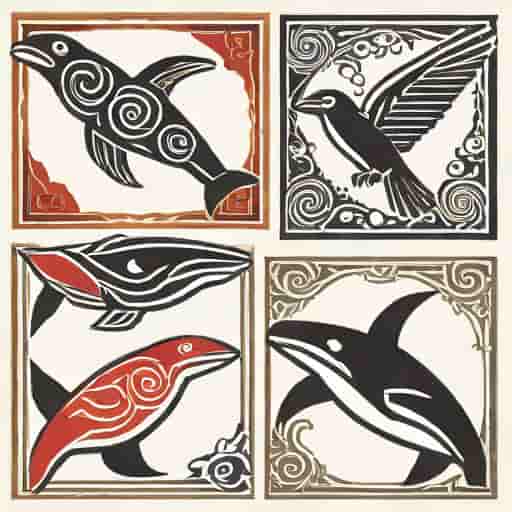
The Quileute people, native to the coastal regions of Washington State, have a rich oral tradition filled with stories that explain the natural world, teach moral lessons, and preserve cultural identity. Among these legends, the stories of the Thunderbird and the Whale stand out as powerful symbols of strength, balance, and the deep connection between humans and nature. These myths have been passed down through generations and have inspired a number of books that aim to preserve and share Quileute heritage with both young readers and adults, blending storytelling with cultural education.
The Importance of Quileute Legends
Quileute legends serve multiple purposes in the community. They explain natural phenomena, like storms, waves, and animal behavior, while also providing guidance on how to live in harmony with the environment. The Thunderbird and Whale stories, in particular, illustrate the delicate balance of power and respect between humans and nature. These legends are often retold during gatherings, ceremonies, and in modern media, including books aimed at educating children and adults about Quileute culture.
The Thunderbird in Quileute Culture
The Thunderbird is one of the most revered figures in Quileute mythology. Described as a massive bird with the power to create thunder and lightning, the Thunderbird represents strength, protection, and the ability to maintain balance in the world. According to the legends, the Thunderbird is not only a guardian of the skies but also a symbol of moral and spiritual power. Books that explore this legend often illustrate the Thunderbird in vivid detail, helping readers understand its significance and the lessons it embodies.
The Whale as a Symbol
The Whale, another central figure in Quileute storytelling, is seen as a creature of immense power and mystery. In some stories, the Whale is a protector of the oceans, while in others, it serves as a reminder of human responsibility to respect marine life and the environment. The Whale is often portrayed in a close relationship with the Thunderbird, creating a dynamic narrative that emphasizes the balance between air and sea, predator and prey, and spiritual forces and human actions.
Books That Preserve Quileute Legends
In recent years, a number of books have been published to share Quileute legends with a wider audience. These books range from illustrated children’s stories to detailed collections of myths and folklore. By documenting these tales, authors and illustrators help preserve cultural heritage while providing an accessible way for readers to learn about the Quileute worldview.
Children’s Literature
Children’s books focusing on the Thunderbird and Whale legends often use colorful illustrations and simple language to make the stories engaging and educational. These books introduce young readers to Quileute culture while teaching important values such as respect for nature, courage, and the importance of community. Many of these stories are designed to be read aloud, encouraging family participation and oral storytelling traditions that are central to Quileute heritage.
Collections of Legends
For older readers and scholars, there are collections that delve deeper into Quileute mythology. These books often provide context for the legends, including historical background, cultural significance, and interpretations of the myths. The Thunderbird and Whale stories are explored not only as entertaining tales but as vital components of the Quileute worldview, showing how humans interact with nature and the spiritual forces that govern it.
Themes and Lessons in Thunderbird and Whale Stories
The Thunderbird and Whale legends carry several recurring themes that are relevant across generations. These stories emphasize the interconnectedness of all living things, the importance of balance between opposing forces, and the consequences of human actions on the natural world. By reading these books, audiences gain a deeper appreciation for the moral and ecological teachings embedded in Quileute folklore.
Balance and Respect
In many Thunderbird and Whale stories, balance is a central theme. The Thunderbird represents the sky and storms, while the Whale represents the ocean and its mysteries. Together, they illustrate how forces of nature must coexist in harmony. These narratives often include lessons about humility, respect for the environment, and understanding one’s place in the world, making them timeless tools for education and reflection.
Cultural Identity and Heritage
Books about Quileute legends also serve to reinforce cultural identity. For the Quileute people, sharing these stories ensures that younger generations maintain a connection to their heritage, language, and traditions. At the same time, these books provide an opportunity for outsiders to gain insight into Quileute values and beliefs, fostering cross-cultural understanding and appreciation.
Illustrations and Storytelling in Quileute Books
Visual storytelling plays a significant role in bringing Quileute legends to life. Many books feature detailed illustrations of the Thunderbird soaring through stormy skies or the Whale gliding beneath ocean waves. These images help readers visualize the narratives and engage more deeply with the cultural and spiritual elements of the stories. The combination of text and art makes these books an effective tool for both education and entertainment.
Interactive and Educational Features
Some modern books include interactive elements, such as discussion questions, activity pages, or cultural notes that provide context for the legends. These features encourage readers to think critically about the stories and their meanings, bridging the gap between traditional oral storytelling and contemporary educational methods. Teachers and parents can use these books to introduce children to Indigenous culture while promoting literacy and critical thinking skills.
Preservation and Cultural Impact
The publication of books featuring Quileute legends like the Thunderbird and Whale is more than just entertainment-it is a form of cultural preservation. By recording these stories in written form, authors help ensure that they survive for future generations, even as oral storytelling traditions face challenges in a modern world. These books also have a broader impact, raising awareness about Indigenous cultures, promoting respect for nature, and highlighting the importance of storytelling in shaping community values.
Global Recognition
Quileute legends have gained attention beyond their local communities, appearing in international literature and educational programs. Books about the Thunderbird and Whale introduce readers worldwide to the richness of Indigenous mythology, demonstrating how these stories carry universal themes of balance, respect, and harmony with the natural world. Through literature, the Quileute people can share their traditions and contribute to a global understanding of cultural diversity.
The Thunderbird and Whale legends of the Quileute people are not only captivating stories but also important cultural treasures that teach lessons about nature, balance, and human responsibility. Books that preserve and share these myths provide valuable resources for education, cultural preservation, and cross-cultural understanding. By engaging with these stories, readers of all ages can appreciate the wisdom and artistry of Quileute storytelling, gaining insight into a world where the skies and oceans are alive with powerful spirits and enduring lessons.