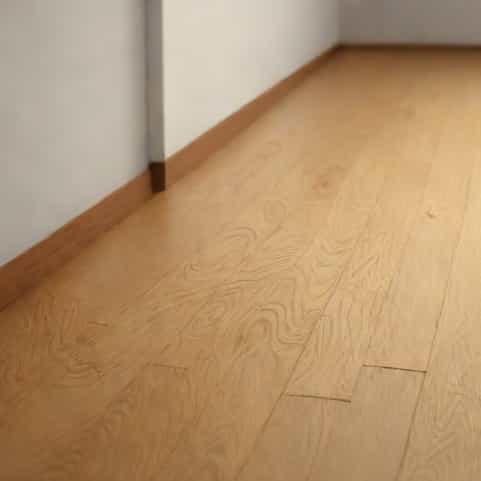
Creaky floorboards are a common problem in many homes, especially in older buildings where wood has expanded, contracted, and shifted over time. That familiar squeak can be annoying, disruptive at night, and even embarrassing when guests are around. The good news is that you do not always need a full renovation to solve the issue. A quick fix for creaky floorboards is often possible with simple tools, basic materials, and a clear understanding of what causes the noise in the first place.
Why Floorboards Creak in the First Place
Before choosing a quick fix, it helps to understand why floorboards make noise. Most creaks come from movement. When you step on a floorboard, it may rub against a nail, a screw, another board, or the subfloor underneath. This friction creates the squeaking sound that travels through the room.
Changes in temperature and humidity also play a role. Wood naturally expands in humid conditions and shrinks when the air is dry. Over time, this movement loosens fasteners and creates small gaps that allow boards to shift.
Common Causes of Noisy Floors
- Loose nails or screws holding boards to joists
- Gaps between floorboards and the subfloor
- Wood rubbing against wood
- Warped or uneven floor joists
- Old construction methods with fewer fasteners
Finding the Source of the Creak
A successful quick fix starts with locating the exact spot that makes noise. Walk slowly across the floor and listen carefully. Mark the creaky areas with tape or a pencil. If possible, have someone else walk while you listen closely.
If the floor is carpeted, the sound may be harder to pinpoint, but it is still possible. Press down firmly with your foot and feel for movement. In some cases, accessing the floor from below, such as from a basement or crawl space, makes diagnosis much easier.
Quick Fix Solutions You Can Try Right Away
Not every creaky floor needs professional repair. Many quick fix methods are simple, affordable, and effective. The best approach depends on whether the floor is exposed wood, covered with carpet, or accessible from underneath.
Using Screws Instead of Nails
One of the fastest ways to stop a squeak is to tighten the connection between the floorboard and the joist. Screws hold better than nails and reduce movement. Drive a short wood screw through the floorboard into the joist below.
If the floor is visible, countersink the screw slightly and fill the hole with wood filler that matches the floor. This method is a popular quick fix for creaky floorboards because it directly addresses the movement causing the noise.
Applying Powdered Lubricants
When wood rubs against wood, lubrication can help. Talcum powder, powdered graphite, or even baking soda can be swept into the gaps between boards. Work the powder into the cracks using a soft brush, then wipe away the excess.
This quick fix is especially useful for hardwood floors where the squeak comes from friction rather than loose fasteners. While it may not be permanent, it can significantly reduce noise.
Using Shims from Below
If you have access to the underside of the floor, shimming is a very effective quick fix. A thin wood shim can be gently tapped into the gap between the subfloor and the joist. This fills the space and stops movement.
Be careful not to force the shim too tightly, as this can lift the floor above. Secure the shim with a small amount of wood glue for long-lasting results.
Quick Fixes for Carpeted Floors
Creaky floorboards under carpet require a slightly different approach. Removing the carpet is not always necessary, and there are methods designed specifically for this situation.
Breakaway Screws for Carpeted Areas
Special breakaway screws are designed to be driven through carpet without damaging it. These screws snap off below the surface, leaving no visible hardware. They are ideal for a quick fix when squeaks occur in high-traffic carpeted areas.
The process involves locating the joist, driving the screw through the carpet and floorboard, and snapping off the head. The carpet fibers naturally hide the small hole.
Temporary vs Long-Term Solutions
Many homeowners look for a quick fix to creaky floorboards because they want immediate relief. It is important to understand which solutions are temporary and which are more durable.
Powdered lubricants and surface fixes may need to be repeated over time, especially as seasons change. Screws, shims, and structural adjustments tend to last longer and provide more reliable results.
When a Quick Fix Is Enough
If the creak is minor, isolated, and does not indicate structural damage, a simple fix is usually sufficient. In many cases, one or two screws or a bit of lubricant can solve the problem completely.
When to Consider a Bigger Repair
If the floor creaks in many places or feels spongy, there may be deeper issues such as damaged joists or subfloor problems. In these situations, quick fixes may only reduce noise temporarily.
Preventing Creaky Floors in the Future
Once you have fixed the noise, taking steps to prevent future squeaks can save time and effort. Regular maintenance and awareness of environmental conditions help keep floors quiet.
- Maintain stable indoor humidity levels
- Use area rugs to reduce wear in high-traffic zones
- Address small squeaks before they worsen
- Use quality fasteners during renovations
Simple Tools for a Fast Repair
You do not need a large toolkit to apply most quick fix solutions. Basic household tools are often enough to handle common squeaks.
- Screwdriver or drill
- Wood screws
- Talcum powder or graphite
- Wood shims
- Hammer and wood glue
Quick Fix Creaky Floorboards
A squeaky floor can quickly disrupt the comfort of your home, but it does not have to be a permanent problem. With the right approach, a quick fix for creaky floorboards can restore peace and quiet without major expense or renovation. By understanding the cause, choosing the right method, and acting early, you can enjoy solid, silent floors again. Even simple solutions can make a noticeable difference when applied carefully and thoughtfully.