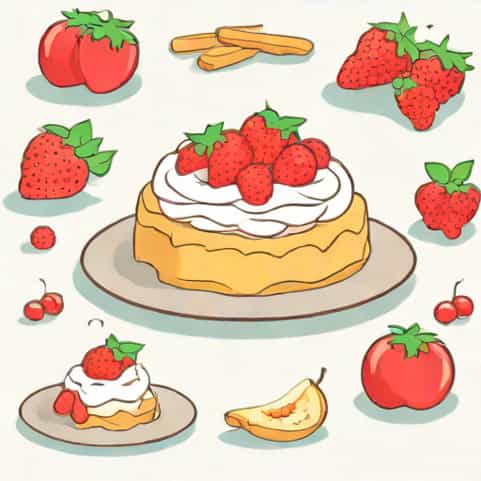
Pavlova is one of the most elegant and delightful desserts in the world of pastry. Known for its crisp exterior and soft, marshmallow-like interior, this dessert has captured the hearts of dessert lovers for decades. It is not only a treat for the taste buds but also a visual delight, often adorned with fresh fruits and whipped cream that add both color and flavor. Pavlova has become a symbol of sophistication in pastry, and learning about its characteristics, origins, and preparation methods provides a deeper appreciation for this iconic dessert.
Origin of Pavlova in Pastry
Pavlova is named after the famous Russian ballerina Anna Pavlova, who toured Australia and New Zealand in the 1920s. While both countries claim to have invented the dessert, it is universally accepted that it was created in honor of her visits. The dessert embodies lightness and elegance, much like the ballerina herself. In the world of pastry, pavlova represents a fusion of art and science, requiring precision in both ingredients and baking techniques to achieve the perfect texture.
The Science Behind Pavlova
The unique texture of pavlova comes from the interaction between egg whites and sugar. Beaten egg whites trap air, creating a foam, while sugar stabilizes this structure and contributes to the glossy, crisp crust. When baked at a low temperature, the exterior becomes firm while the inside remains soft and airy. The addition of vinegar or cornstarch can further stabilize the meringue, ensuring that it holds its shape and texture. Understanding this science is crucial for pastry chefs and home bakers alike who aim to create a successful pavlova.
Ingredients and Their Role
The basic ingredients of pavlova are simple, but each plays a critical role in the dessert’s success.
- Egg WhitesProvide the structure and volume through aeration.
- SugarSweetens the dessert and stabilizes the meringue foam.
- Vinegar or Lemon JuiceHelps maintain the meringue’s structure and adds a subtle tang.
- CornstarchAbsorbs moisture and contributes to the marshmallow-like interior.
- Whipped CreamUsed as a topping, adding richness and balance.
- Fresh FruitsProvide color, flavor, and a refreshing contrast to the sweetness.
Popular Fruit Toppings
Fruits are an essential element of pavlova presentation. Common choices include kiwi, strawberries, passion fruit, and berries. These fruits not only enhance the visual appeal but also balance the sweetness with acidity. Seasonal fruits can also be used, making pavlova a versatile dessert suitable for any time of year.
Step-by-Step Preparation
Creating a perfect pavlova requires attention to detail and precise execution. Here is a general guide to preparing this pastry masterpiece
- Preheat the oven to a low temperature, usually around 120-150°C (250-300°F).
- Whip the egg whites until soft peaks form, then gradually add sugar, continuing to beat until stiff peaks are achieved.
- Fold in cornstarch and vinegar gently to avoid deflating the meringue.
- Shape the meringue onto a baking tray lined with parchment paper, forming a round base with slightly raised edges.
- Bake slowly, allowing the exterior to dry and crisp while keeping the inside soft.
- Once cooled, top with whipped cream and arrange fruits decoratively.
Tips for a Successful Pavlova
There are several key points that can help bakers achieve a flawless pavlova
- Ensure no traces of yolk in the egg whites; even a small amount of fat can prevent proper foaming.
- Bake at a low temperature to prevent cracking.
- Avoid opening the oven door during baking to maintain stable heat.
- Cool the pavlova gradually in the oven to reduce the risk of collapsing.
Variations of Pavlova
While the classic pavlova features whipped cream and fresh fruit, pastry chefs often experiment with flavors and textures. Chocolate, coffee, or flavored creams can be used as toppings. Some variations include a layer of fruit coulis or a drizzle of caramel. These adaptations allow pavlova to remain a dynamic and innovative dessert in modern pastry kitchens.
Pavlova for Special Occasions
Pavlova is a popular choice for celebrations such as birthdays, weddings, and festive holidays. Its light and airy texture makes it ideal for warm climates, and the colorful fruit toppings make it visually stunning for dessert tables. The dessert’s elegance also makes it a favorite in fine dining establishments, where presentation is as important as taste.
Common Mistakes to Avoid
Despite its apparent simplicity, pavlova can be challenging. Common mistakes include under-beating or over-beating egg whites, baking at too high a temperature, and adding toppings before the pavlova has cooled. Understanding and avoiding these pitfalls ensures a successful outcome and a dessert that delights both the eyes and the palate.
Pavlova is more than just a dessert; it is a showcase of pastry artistry, precision, and creativity. Its delicate texture, combined with the vibrant appeal of fresh fruit, makes it a timeless favorite in baking. By understanding its history, ingredients, preparation techniques, and variations, anyone can appreciate why pavlova continues to hold a special place in the world of pastry. Whether enjoyed at home or in a professional kitchen, pavlova remains a symbol of elegance, skill, and culinary delight, embodying the essence of fine dessert-making.
In summary, pavlova en repostería is a testament to the harmony of science, art, and flavor. From its origins inspired by a legendary ballerina to its modern adaptations in contemporary pastry, this dessert continues to inspire bakers and dessert lovers alike. Mastering pavlova is a rewarding experience that celebrates both technique and creativity, making it a must-try for anyone passionate about baking.