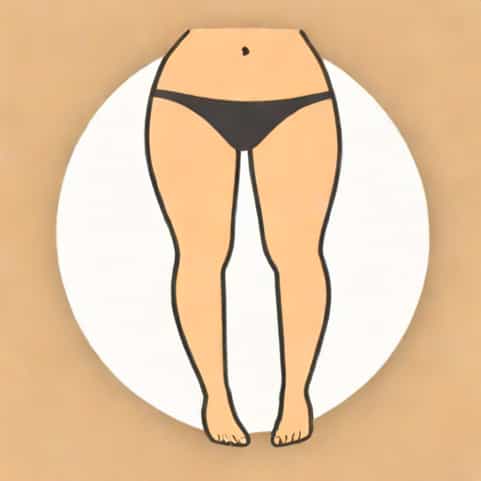
Many people ask the question qué es el pubis en la mujer when trying to better understand female anatomy and how the body is structured. The pubis is an important part of the human skeletal system and plays a key role in movement, protection of internal organs, and overall body balance. Although it is often mentioned in medical or educational contexts, it is not always clearly explained in simple terms. Learning about the pubis helps improve body awareness, health understanding, and confidence.
Basic Definition of the Pubis
The pubis is one of the three main bones that form the pelvis. In women, it is located at the front of the pelvic structure, just below the abdomen. The pubis joins with the other pelvic bones to create a strong, supportive ring.
When people ask qué es el pubis en la mujer, they are usually referring to both the pubic bone itself and the area surrounding it, which includes muscles, ligaments, and soft tissue.
Location of the Pubis in the Female Body
The pubis is found in the lower front part of the pelvis. It sits above the external genital area and below the lower abdomen. This position makes it easy to feel as a firm structure under the skin.
In women, the pubis is part of a wider pelvic structure designed to support reproductive organs and childbirth.
Structure of the Pubic Bone
The pubic bone is made up of two halves, one on the left and one on the right. These two sides meet in the middle at a joint called the pubic symphysis.
This joint is made of cartilage, allowing a small amount of movement while still providing stability.
The Pubic Symphysis
The pubic symphysis is a flexible joint that connects the two pubic bones. It plays an important role in absorbing shock during walking, running, and other movements.
In women, this joint can become slightly more flexible during pregnancy to help with childbirth.
The Pubis and Female Reproductive Anatomy
One reason the topic qué es el pubis en la mujer is so common is its close relationship with reproductive health. The pubis helps protect internal organs such as the uterus, ovaries, and bladder.
Its shape and structure are adapted to support these organs safely and comfortably.
Protection of Internal Organs
The pubic bone forms a protective barrier at the front of the pelvic cavity. This helps shield sensitive organs from injury.
It also provides attachment points for muscles that support bladder control and reproductive functions.
The Pubic Area and External Appearance
In everyday language, the word pubis is often used to describe the area covered by pubic hair. This region is known as the mons pubis in women.
The mons pubis is a soft, rounded area of fatty tissue that lies over the pubic bone.
Mons Pubis in Women
The mons pubis becomes more noticeable during puberty as hormonal changes occur. It serves as cushioning over the pubic bone and helps protect the area during movement.
This area is completely normal and varies in size and shape from one woman to another.
Changes During Puberty
Understanding qué es el pubis en la mujer also involves recognizing how it changes throughout life. During puberty, the pubic area undergoes visible development.
These changes are a natural part of physical maturation.
Development of Pubic Hair
One of the most noticeable changes is the growth of pubic hair. This hair helps protect the skin from friction and irritation.
The timing and pattern of hair growth vary among individuals.
Bone Growth and Pelvic Widening
During adolescence, the female pelvis, including the pubis, gradually widens. This structural change prepares the body for potential pregnancy in adulthood.
These changes occur slowly and are guided by hormonal signals.
The Role of the Pubis in Movement
The pubis plays an essential role in movement and posture. It connects to muscles involved in walking, running, and maintaining balance.
Without a stable pubic structure, everyday movements would be more difficult.
Muscle Attachments
Several important muscles attach to the pubic bone, including those involved in the thighs and pelvic floor.
These muscles support activities such as standing, sitting, and lifting.
Pelvic Floor Support
The pubis is part of the pelvic floor system, which helps control bladder function and supports internal organs.
Strong pelvic floor muscles contribute to overall pelvic health.
Common Discomforts Related to the Pubis
Some women experience discomfort or pain in the pubic area at different stages of life. Understanding the pubis helps identify when something may need attention.
Discomfort can range from mild to more noticeable.
Pubic Pain During Pregnancy
During pregnancy, hormonal changes can loosen the pubic symphysis. This may cause discomfort known as pelvic girdle pain.
This condition is common and often temporary.
Injuries and Strain
Sports, falls, or repetitive strain can sometimes affect the pubic bone or surrounding muscles.
Proper rest and medical guidance usually help recovery.
Cultural and Educational Perspectives
The question qué es el pubis en la mujer also reflects a growing interest in body education and health awareness. Clear information helps reduce confusion and stigma.
Learning correct anatomical terms encourages respectful and informed conversations.
Importance of Anatomical Knowledge
Understanding body anatomy empowers women to communicate better with healthcare professionals.
It also promotes self-care and confidence.
Maintaining Pubic and Pelvic Health
Maintaining good pelvic health supports the pubis and surrounding structures. Healthy habits contribute to comfort and long-term well-being.
Simple lifestyle choices can make a positive difference.
Healthy Practices
- Regular physical activity
- Pelvic floor exercises
- Proper posture
- Listening to body signals
These practices help maintain strength and flexibility.
The answer to qué es el pubis en la mujer involves understanding both anatomy and function. The pubis is a key part of the pelvic structure, supporting movement, protecting organs, and contributing to reproductive health.
By learning about the pubis in clear and simple terms, women can develop a better connection with their bodies. This knowledge promotes health awareness, confidence, and informed decision-making throughout all stages of life.