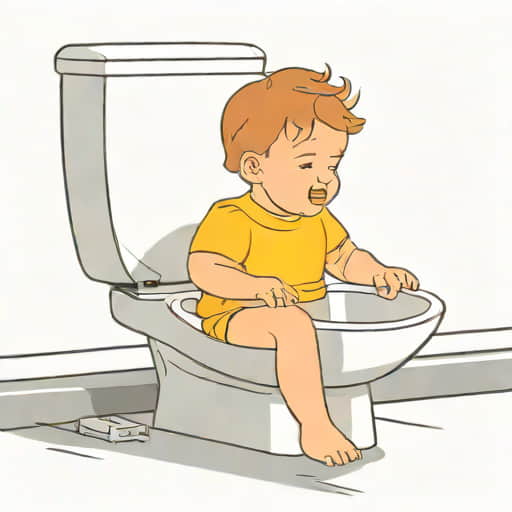
Potty training is an important milestone in a toddler’s development, but it often comes with its share of challenges. Even after a toddler has been potty trained, it is common for them to have occasional accidents. These incidents can be frustrating for parents, but they are a normal part of the learning process and should not be seen as a setback. Understanding the reasons behind accidents, how to respond effectively, and strategies to reinforce potty habits can help parents support their toddler through this stage with patience and confidence. This topic explores why potty trained toddlers might have accidents, offers practical tips for managing them, and discusses ways to encourage consistency in bathroom habits.
Understanding Why Potty Trained Toddlers Have Accidents
Even after successfully learning to use the toilet, toddlers may continue to have accidents for several reasons. These incidents are usually not intentional, and recognizing the underlying causes can help parents address them appropriately.
Physical Development Factors
- Bladder controlA toddler’s bladder may not be fully developed, making it difficult to hold urine for extended periods.
- Bowel regulationConstipation or irregular bowel movements can lead to unexpected accidents.
- Growth spurtsDuring rapid growth, toddlers may experience temporary disruptions in bladder and bowel control.
Emotional and Psychological Factors
- Stress or anxietyChanges in routine, such as moving to a new home or starting preschool, can cause regression.
- Attention seekingSometimes toddlers use accidents to gain attention, especially if they feel overlooked.
- Fear or resistanceSome toddlers may be afraid of toilets or find it difficult to adapt to new bathroom environments.
Environmental Factors
- Access issuesIf a toilet is hard to reach or inconvenient, toddlers may have accidents before they can get there.
- DistractionsToddlers absorbed in play may ignore the urge to go to the bathroom until it’s too late.
Signs a Toddler May Have an Accident
Recognizing the signs that a toddler needs to use the toilet can help prevent accidents. Parents can look for
- Fidgeting or squirming, especially in the lower body.
- Frequent holding or crossing of legs.
- Facial expressions indicating discomfort or urgency.
- Sudden interruption of play or activity to find a bathroom.
How to Respond to Accidents
Responding calmly and supportively is crucial when a potty trained toddler has an accident. Overreacting or showing frustration can create anxiety and hinder progress, while positive reinforcement encourages learning and confidence.
Stay Calm and Supportive
Parents should approach accidents with patience. A calm demeanor reassures the child that accidents are part of learning, not something to be ashamed of. Simple phrases like It’s okay, everyone has accidents sometimes can help.
Encourage Clean-Up Participation
Allowing toddlers to help clean up after an accident teaches responsibility and reduces feelings of embarrassment. Encourage them to change clothes, throw soiled items in the laundry, and wipe surfaces if age-appropriate.
Use Positive Reinforcement
Praise toddlers for successful attempts and efforts to use the toilet, even if they are not completely accident-free. Stickers, small rewards, or verbal praise can motivate continued progress.
Avoid Punishment
Punishing toddlers for accidents can create fear and anxiety around using the toilet. This may lead to more accidents or resistance to potty training altogether. Focus on encouragement and guidance instead of criticism.
Strategies to Reduce Accidents
Consistency, routine, and support are key to minimizing accidents in potty trained toddlers. Some effective strategies include
Establish a Consistent Bathroom Routine
- Encourage bathroom visits at regular intervals, such as after meals or before bedtime.
- Use reminders or timers to help toddlers recognize when it’s time to go.
Dress for Success
- Choose clothing that is easy to remove quickly, such as pants with elastic waistbands.
- Avoid complicated buttons or zippers that may slow the process.
Monitor Fluid Intake
- Encourage regular hydration but be mindful of excessive fluid intake right before nap or bedtime.
- Offer water throughout the day to help regulate bathroom habits.
Use Visual Cues and Reminders
- Place potty charts or visual reminders in the bathroom to guide toddlers.
- Use consistent language and signals, such as potty time or let’s go to the toilet, to reinforce habits.
Address Emotional Factors
Changes in routine, travel, or stressful events can trigger accidents. Maintaining a supportive environment, offering reassurance, and keeping routines as consistent as possible can help toddlers manage these challenges.
When to Seek Professional Advice
While occasional accidents are normal, parents should consult a pediatrician if
- Accidents occur frequently despite consistent potty training efforts.
- There are signs of discomfort, pain, or urinary tract issues.
- Regression coincides with behavioral or emotional concerns.
- The toddler shows signs of constipation, blood in urine or stool, or other medical symptoms.
Accidents in potty trained toddlers are a common and natural part of the learning process. Understanding the underlying causes, responding calmly, and implementing practical strategies can help parents manage these incidents effectively. Establishing consistent routines, using positive reinforcement, and addressing emotional or environmental factors can reduce the frequency of accidents over time. It is important to remember that patience and encouragement are key, and occasional setbacks do not indicate failure. With support, guidance, and understanding, toddlers can continue to develop confidence and independence in their bathroom habits, making potty training a successful and positive experience for both children and parents.