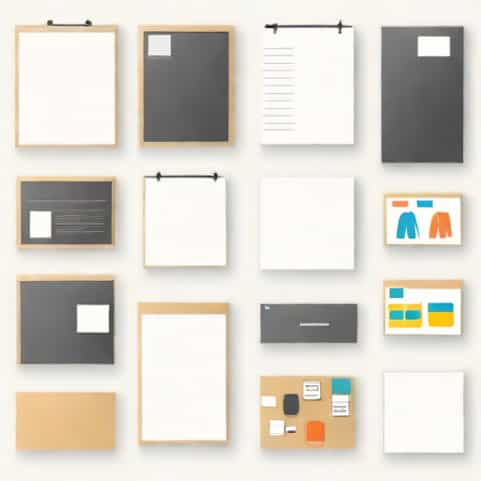
Poster boards have become a staple in educational, professional, and creative settings, serving as versatile tools for visual communication. Whether used in classrooms, offices, exhibitions, or craft projects, poster boards offer a sturdy and reliable surface to present ideas, information, or artwork. The choice between different types of poster boards, understanding their features, and knowing how to use them effectively can significantly impact the quality and clarity of any display. Exploring the various aspects of poster boards, including their materials, sizes, uses, and benefits, allows both beginners and seasoned users to maximize their potential for presentations, projects, and artistic endeavors.
Understanding Poster Boards
A poster board is a thick, stiff sheet of paper or cardboard, designed to hold up well for visual displays. Unlike regular paper, poster boards are more durable and can stand upright, making them suitable for both temporary and long-term presentations. They come in a range of colors, sizes, and finishes, which can enhance the aesthetic appeal of any project. The versatility of poster boards makes them a go-to choice for educational posters, promotional displays, arts and crafts, and signage at events or exhibitions.
Types of Poster Boards
When choosing a poster board, it’s important to consider the type that best suits your needs. Common types include
- Standard Cardboard Poster BoardMade from thick paperboard, it is cost-effective and ideal for most school and office projects.
- Foam Poster BoardLightweight with a foam core, it offers additional rigidity and a smooth surface for professional-looking presentations.
- Corrugated Poster BoardFeatures ridges for added durability, suitable for larger projects that require sturdiness.
- Colored Poster BoardAvailable in a variety of vibrant colors, perfect for artistic projects, thematic presentations, or highlighting information.
- Glossy or Matte Finish BoardsGlossy boards provide a shiny surface ideal for printing images, while matte boards reduce glare and are easier to write on with markers.
Uses of Poster Boards
Poster boards serve multiple purposes across different settings. Their applications include
- Educational ProjectsStudents use poster boards for science fair projects, history presentations, and classroom displays to visually communicate their ideas.
- Business PresentationsPoster boards are often used in offices to present charts, marketing plans, and sales data in a clear and organized manner.
- Arts and CraftsArtists and crafters utilize poster boards for painting, collage work, and DIY projects because of their smooth, sturdy surface.
- Event SignageFrom weddings to conferences, poster boards serve as directional signs, welcome boards, or informational displays.
- Promotional DisplaysBusinesses and organizations use poster boards at trade shows, fairs, and promotional events to capture attention and convey messages effectively.
Advantages of Using Poster Boards
Using poster boards offers several advantages over other display options
- DurabilityPoster boards can withstand handling and maintain their shape, ensuring that displays remain neat and intact.
- VersatilityThey can be used for drawing, painting, gluing, and pinning, making them suitable for a wide range of creative and professional applications.
- Ease of UsePoster boards are simple to cut, fold, and attach materials, making them user-friendly for both children and adults.
- VisibilityTheir size and surface area make information easily readable from a distance, which is ideal for presentations and exhibitions.
- Cost-EffectivePoster boards are generally inexpensive and widely available, making them an accessible tool for individuals and institutions.
Choosing the Right Poster Board
Selecting the appropriate poster board depends on the specific needs of the project. Factors to consider include
- SizeConsider the viewing distance and amount of information to be displayed. Common sizes include 22 x 28 inches, 20 x 30 inches, and custom dimensions.
- ColorChoose colors that complement the theme or enhance readability. Light-colored boards work well for text-heavy presentations, while bold colors attract attention for promotional displays.
- FinishDecide between matte or glossy surfaces depending on whether you want a reflective finish for images or a glare-free surface for writing.
- ThicknessThicker boards provide more stability for standing displays or layered projects, while thinner boards are easier to cut and handle.
- Compatibility with MaterialsEnsure the board works well with paints, markers, glue, and other materials intended for your project.
Tips for Using Poster Boards Effectively
To maximize the impact of your poster board, follow these practical tips
- Plan Your LayoutSketch your design and decide on the placement of text, images, and decorative elements before starting.
- Use High-Quality MaterialsSelect markers, paints, and adhesives that adhere well and provide vibrant colors without smudging.
- Keep Text LegibleUse large, clear fonts and contrasting colors to ensure readability from a distance.
- Incorporate Visual ElementsDiagrams, charts, photos, and illustrations enhance engagement and make the poster more visually appealing.
- Protect the BoardIf the display is long-term, consider laminating or covering the poster board to prevent damage from moisture or handling.
- Balance ContentAvoid overcrowding the board. Space out information for a clean, organized look that is easy to follow.
Common Mistakes to Avoid
Even experienced users can make mistakes when working with poster boards. To create effective displays, avoid these pitfalls
- Overloading with InformationToo much text or too many images can overwhelm viewers. Prioritize key points and visuals.
- Poor Color ChoicesClashing colors or low-contrast combinations reduce readability and visual appeal.
- Weak AdhesionUsing inadequate glue or tape can result in materials falling off or peeling over time.
- Ignoring Audience PerspectiveAlways consider how the audience will view and interact with the poster board. Adjust size, placement, and orientation accordingly.
- Skipping PlanningStarting without a clear layout plan can lead to misaligned text, uneven spacing, and a cluttered appearance.
Poster boards remain an essential tool for anyone looking to present information, express creativity, or engage audiences visually. Whether used in schools, offices, art projects, or events, they provide a durable, versatile, and accessible medium to communicate ideas effectively. By understanding the types, uses, advantages, and best practices of poster boards, individuals can ensure that their presentations are both impactful and professional. Choosing the right size, color, and finish, planning layouts thoughtfully, and avoiding common mistakes will help create a visually appealing and informative display. Ultimately, poster boards offer endless possibilities for creativity, education, and communication, making them indispensable in a variety of settings where clarity, presentation, and visual engagement matter most.