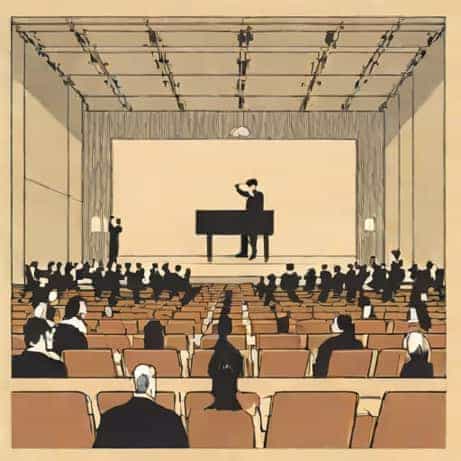
Opening Night, directed by the acclaimed Belgian theater director Ivo van Hove, is a compelling exploration of human emotion, artistic vulnerability, and the intricate dynamics of performance. Known for his innovative approach to staging and intense focus on character psychology, van Hove brings a modern sensibility to this adaptation, blending cinematic techniques with theatrical depth. The film delves into the struggles of a seasoned actress facing personal and professional challenges on the eve of a critical performance, offering audiences an intimate look at the intersection between life and art. With carefully crafted performances, meticulous visual composition, and a thought-provoking narrative, Opening Night stands out as a distinctive piece in van Hove’s body of work.
Plot Overview
Opening Night follows the story of Myrtle Gordon, a prominent actress grappling with the pressures of her craft, personal loss, and existential anxiety. As the premiere of her latest play approaches, she confronts the fragility of her own identity and the complexities of fame. The narrative is a layered exploration of both the external demands of the theater and the internal struggles of self-perception, memory, and grief. Van Hove’s adaptation emphasizes the psychological realism of Myrtle’s experiences, drawing viewers into a world where the boundaries between performance and reality blur, and emotional authenticity is paramount.
Main Characters
- Myrtle GordonThe central figure, a celebrated actress whose personal and professional challenges form the heart of the narrative.
- Supporting CastColleagues, directors, and understudies who highlight various facets of theatrical life and the pressures inherent in the performing arts.
- Family and FriendsCharacters that provide insight into Myrtle’s past, personal relationships, and the emotional stakes influencing her current dilemmas.
Direction and Style
Ivo van Hove is known for his avant-garde approach to theater and film, characterized by minimalistic staging, long takes, and intense focus on actor performances. In Opening Night, he translates these methods to the screen, employing cinematic techniques such as close-ups, fluid camera movements, and deliberate pacing to create an immersive experience. The direction emphasizes the psychological tension within the story, allowing viewers to experience the protagonist’s internal conflicts intimately. Van Hove’s style often challenges conventional narrative structures, inviting audiences to engage actively with the emotional and thematic layers of the work.
Visual and Cinematic Techniques
The visual composition in Opening Night is deliberate and evocative. Van Hove uses lighting, spatial arrangements, and camera angles to reflect Myrtle’s emotional state and the pressures of the theatrical environment. Shadows and reflections are employed to symbolize introspection and uncertainty, while close-up shots capture subtle facial expressions, revealing unspoken thoughts and anxieties. The film’s pacing, often alternating between moments of quiet reflection and heightened tension, mirrors the rhythm of live performance, emphasizing the interplay between anticipation, preparation, and execution that defines theatrical life.
Thematic Exploration
Opening Night addresses themes of aging, artistic identity, mortality, and the fragile nature of human relationships. Myrtle Gordon’s journey highlights the tension between public persona and private self, exploring how personal experiences and emotional burdens influence performance. Van Hove also examines the ephemeral nature of theater, where each performance is unique and transient, paralleling the fleeting nature of human experience. The narrative interrogates the cost of artistic dedication, the vulnerability of creative expression, and the search for authenticity in a world driven by expectation and perception.
Performance and Character Study
The film places significant emphasis on performance, both as a narrative device and a thematic focus. Actors’ portrayals are scrutinized in close detail, allowing the audience to witness the nuances of emotional expression. Myrtle’s character embodies the tension between mastery and vulnerability, showcasing the psychological depth required for sustained artistic practice. Supporting characters provide contrast and context, illustrating the collaborative yet competitive environment of theater. Van Hove’s direction encourages actors to inhabit their roles fully, resulting in performances that are raw, intimate, and deeply compelling.
Adaptation and Interpretation
Opening Night is based on a classic narrative that has been interpreted in various forms over time. Van Hove’s adaptation distinguishes itself through its modern sensibility and focus on psychological realism. The director emphasizes the interplay between memory, emotion, and performance, highlighting how personal experiences inform professional practice. This approach offers fresh insights into the original material, encouraging audiences to reconsider familiar narratives through a contemporary lens. By blending theatrical and cinematic techniques, van Hove creates a layered, immersive experience that resonates with both longtime fans and new viewers.
Sound and Music
Sound design and music in Opening Night play a critical role in establishing mood and emphasizing emotional beats. Subtle ambient sounds, such as the rustle of costumes, footsteps on stage, or audience murmurs, contribute to the realism of the theatrical environment. The musical score, often minimalistic, underscores moments of tension and introspection, enhancing the emotional resonance without overwhelming the narrative. This careful balance between diegetic and non-diegetic sound supports van Hove’s focus on psychological and emotional authenticity, allowing viewers to engage fully with the protagonist’s inner world.
Critical Reception
Opening Night directed by Ivo van Hove has been praised for its innovative adaptation, compelling performances, and intense focus on character psychology. Critics highlight the film’s ability to merge theatrical sensibilities with cinematic techniques, creating an immersive and emotionally resonant experience. The exploration of aging, artistic identity, and vulnerability has been noted as particularly impactful, offering a profound meditation on the human condition. While some viewers may find the pacing and experimental style challenging, many appreciate the depth and nuance van Hove brings to the story, recognizing it as a significant contribution to contemporary theater and film adaptation.
Audience Engagement and Interpretation
Opening Night invites active engagement from its audience, encouraging viewers to reflect on the intersections between performance, identity, and personal experience. The film’s layered narrative and nuanced character portrayals allow for multiple interpretations, making it a rich subject for discussion and analysis. Viewers can explore the symbolic use of theatrical space, the emotional impact of performance, and the ethical questions surrounding artistic dedication and personal sacrifice. The film’s focus on introspection and psychological realism resonates with audiences who value thoughtful, character-driven storytelling.
Legacy and Impact
Opening Night contributes to Ivo van Hove’s legacy as a director who challenges conventional boundaries between theater and film. By adapting a classic narrative with contemporary techniques and a focus on psychological depth, van Hove demonstrates the ongoing relevance and adaptability of traditional stories. The film encourages discussions about the nature of performance, artistic vulnerability, and the human experience, solidifying its place as a noteworthy work in both cinematic and theatrical contexts. Its impact extends to students, scholars, and enthusiasts of performing arts, offering valuable insights into adaptation, direction, and the craft of acting.
Key Takeaways
- The film explores the delicate balance between public performance and private vulnerability.
- Van Hove’s direction emphasizes psychological realism and immersive storytelling.
- The adaptation blends theatrical and cinematic techniques for a unique narrative experience.
- Character study, performance nuance, and emotional depth are central to the film’s impact.
- Audience engagement is encouraged through layered narrative and thematic exploration.
Opening Night by Ivo van Hove is a remarkable exploration of the human psyche, artistic dedication, and the fleeting yet profound nature of performance. Through meticulous direction, immersive cinematography, and nuanced character portrayals, the film provides an intimate look into the challenges faced by performers navigating both personal and professional pressures. Its thematic richness, innovative adaptation, and focus on psychological realism make it a standout work that appeals to fans of theater, film, and character-driven narratives. Opening Night exemplifies how contemporary adaptations can breathe new life into classic stories while offering audiences a deeply engaging and thought-provoking experience.
By merging the worlds of theater and cinema, Ivo van Hove’s Opening Night challenges viewers to consider the emotional and ethical dimensions of performance, the complexities of human relationships, and the search for authenticity in artistic expression. Its enduring relevance and impact highlight the power of thoughtful storytelling, making it a must-watch for anyone interested in the intersection of life, art, and human emotion.