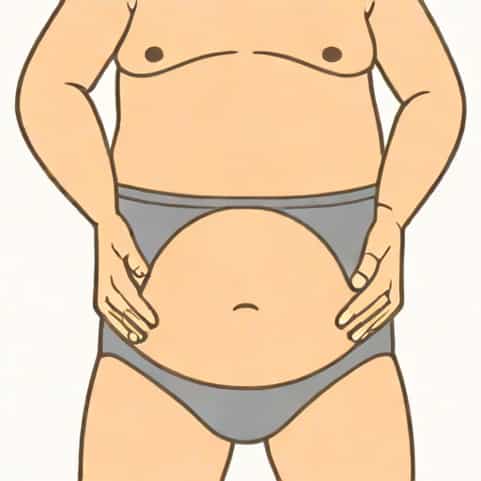
Many people feel self-conscious about small amounts of belly fat, often referred to casually as a pocketable bit of belly flab. This term captures the idea of a minor accumulation of fat around the midsection that is noticeable but not extreme. While some might see it as a cosmetic concern, understanding the causes, health implications, and ways to manage or embrace this belly flab is essential. Modern lifestyles, diet habits, and physical activity levels all contribute to this common phenomenon, and addressing it thoughtfully can improve both physical well-being and self-confidence.
What Is a Pocketable Bit of Belly Flab?
The phrase pocketable bit of belly flab typically describes a small, soft layer of fat around the abdomen. Unlike larger accumulations of abdominal fat, which may pose significant health risks, this type of belly flab is usually minor and may be influenced by genetics, diet, or lifestyle habits. It is common in adults of all body types and can sometimes be more noticeable after meals, during periods of reduced activity, or with age-related changes in metabolism.
Causes of Belly Flab
Understanding why a pocketable bit of belly flab develops can help address it effectively. Several factors contribute to minor abdominal fat accumulation
- DietConsuming more calories than the body burns, particularly from processed foods, sugars, and saturated fats, can lead to fat storage around the belly.
- Physical InactivitySedentary lifestyles slow metabolism and reduce the body’s ability to burn calories efficiently.
- GeneticsSome individuals are predisposed to store fat in the abdominal area due to family traits.
- Hormonal ChangesHormones such as cortisol, insulin, and estrogen influence fat distribution and can contribute to belly flab.
- AgeMetabolic rate tends to slow with age, making it easier to accumulate fat, including minor belly flab.
Health Considerations
While a pocketable bit of belly flab is usually not a major health concern, it is important to understand the distinction between minor fat and more dangerous visceral fat. Visceral fat, which surrounds internal organs, can increase the risk of metabolic syndrome, diabetes, and heart disease. Subcutaneous fat, which is the soft layer just beneath the skin, is what most people notice as minor belly flab. Maintaining awareness of overall body composition and lifestyle habits is key to ensuring health remains optimal.
When to Be Concerned
Minor belly flab alone rarely indicates a serious health problem. However, rapid increases in abdominal fat or accompanying symptoms such as bloating, fatigue, or digestive issues should be discussed with a healthcare provider. Regular exercise, balanced nutrition, and routine health checkups help monitor changes and support overall wellness.
Managing Pocketable Belly Flab
For those who want to reduce or manage a pocketable bit of belly flab, a combination of diet, exercise, and lifestyle adjustments is most effective. Small, consistent changes often yield better long-term results than extreme or restrictive approaches.
Dietary Strategies
- Balanced NutritionFocus on whole foods such as vegetables, fruits, lean proteins, and whole grains to support metabolism and reduce fat accumulation.
- Portion ControlEating appropriate portion sizes can prevent excess calorie intake, which contributes to belly fat.
- Limit Sugary and Processed FoodsReducing added sugars and refined carbs helps prevent fat storage around the abdomen.
- HydrationDrinking enough water aids digestion and can reduce bloating that makes belly flab more noticeable.
Exercise Approaches
Physical activity plays a crucial role in managing minor belly fat. Incorporating both cardiovascular exercise and strength training can help reduce fat and tone abdominal muscles
- Cardio WorkoutsActivities like brisk walking, running, cycling, or swimming increase calorie burn and improve overall metabolism.
- Strength TrainingResistance exercises, including bodyweight movements and weightlifting, help build lean muscle, which boosts metabolic rate and supports fat loss.
- Core ExercisesTargeted abdominal exercises, such as planks, crunches, and leg raises, strengthen muscles under the belly flab and improve posture and appearance.
Lifestyle Adjustments
Managing minor belly flab is also influenced by daily habits beyond diet and exercise
- SleepAdequate sleep regulates hormones linked to appetite and fat storage.
- Stress ManagementReducing stress through meditation, yoga, or leisure activities lowers cortisol levels that can contribute to belly fat.
- Consistent RoutineMaintaining regular meal and exercise schedules supports overall metabolism and prevents fat accumulation.
Embracing Your Body
It is equally important to recognize that a pocketable bit of belly flab is a normal part of many people’s bodies. Body positivity and self-acceptance help reduce anxiety about minor imperfections. Clothing choices, posture, and confidence can enhance appearance even when minor belly flab is present. Embracing your natural body shape while maintaining healthy habits creates a balanced approach to fitness, well-being, and self-image.
Fashion Tips
- High-waisted pants and skirts provide support and smooth the midsection.
- Layering with tops and jackets can create flattering silhouettes.
- Choosing fabrics with slight stretch enhances comfort and appearance.
A pocketable bit of belly flab is a common, natural aspect of the human body and does not inherently indicate poor health. Understanding its causes, health implications, and ways to manage or embrace it can empower individuals to make informed choices about diet, exercise, and lifestyle. Whether you choose to reduce it through targeted strategies or embrace it with confidence, balancing physical well-being and self-acceptance is key. By combining healthy habits with a positive mindset, anyone can navigate the presence of minor belly flab while maintaining overall health and self-confidence.