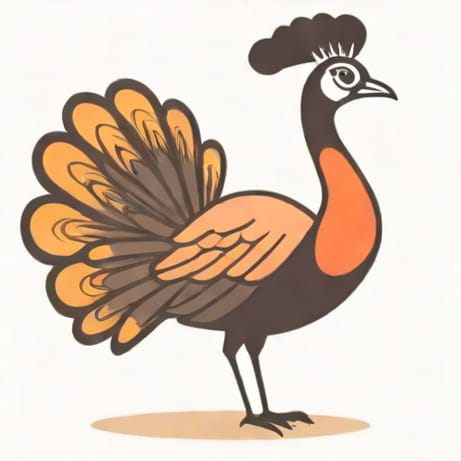
The bird known as Pavo is widely recognized for its striking appearance, vibrant plumage, and elaborate courtship displays. Despite its colorful feathers and large size, Pavo is classified as a flightless bird, meaning it cannot sustain flight over long distances like many other avian species. Instead, this bird relies on its strong legs for movement, running swiftly to escape predators or traverse its natural habitat. Understanding the characteristics of Pavo as a flightless bird provides insights into its behavior, ecological role, and adaptations that have enabled it to thrive in diverse environments. From anatomy to reproduction, the study of Pavo reveals fascinating details about its life and the evolutionary traits that define its existence.
Taxonomy and Classification
Pavo belongs to the Phasianidae family, which includes pheasants, partridges, and other ground-dwelling birds. Within this family, Pavo is divided into two main species the Indian Peafowl (Pavo cristatus) and the Green Peafowl (Pavo muticus). Both species share common characteristics such as large size, long tail feathers, and elaborate courtship behaviors. Despite these similarities, Pavo’s flightlessness distinguishes it from many other birds in the same family, influencing its mobility, habitat preferences, and survival strategies.
Species Overview
- Indian Peafowl (Pavo cristatus)Native to the Indian subcontinent, this species is renowned for its iridescent blue and green plumage and fan-shaped tail display during courtship.
- Green Peafowl (Pavo muticus)Found in Southeast Asia, this species has a more uniform green coloration and is generally less common due to habitat loss and hunting pressures.
Physical Characteristics
Pavo is a large, terrestrial bird with notable features that make it easily identifiable. The most prominent aspect of its anatomy is the elongated train of tail feathers in males, used primarily for courtship displays. Unlike birds capable of sustained flight, Pavo has relatively short wings compared to its body size. These wings are adapted for brief bursts of flight, allowing the bird to reach low branches or escape immediate threats but not for long-distance travel.
Flightlessness Adaptations
Being flightless, Pavo has evolved several anatomical features that support terrestrial life
- Strong, muscular legs for running and walking long distances across forest floors or grasslands.
- Large body size, which reduces the ability to generate lift for sustained flight but offers protection from certain predators.
- Reduced wing span relative to body weight, making the bird more energy-efficient while walking or running.
Habitat and Distribution
Pavo typically inhabits forests, open woodlands, and grasslands where it can find ample food and cover. The Indian Peafowl favors dry deciduous forests and cultivated lands, while the Green Peafowl prefers dense forests near water sources. The flightlessness of Pavo influences its habitat choice, as it requires areas where ground movement is sufficient for foraging, escaping predators, and finding mates.
Territorial Behavior
Flightless birds like Pavo often establish territories that they defend against intruders. Males use visual displays, calls, and physical posturing to maintain dominance and attract females. The inability to fly long distances means that Pavo must rely on its running ability, keen senses, and camouflage for protection against predators within its territory.
Diet and Foraging
Pavo is primarily omnivorous, feeding on a mix of plant material, insects, small reptiles, and seeds. Its diet supports its large body size and energetic courtship displays. As a flightless bird, Pavo forages mainly on the ground, using its beak and strong legs to scratch the soil, uncover food, and navigate its environment efficiently.
Feeding Behavior
- Ground ForagingPavo walks or runs across the forest floor searching for seeds, grains, and insects.
- Opportunistic EatingThe bird consumes small reptiles or amphibians if encountered, supplementing its protein intake.
- Seasonal VariationsIts diet changes with seasonal availability, emphasizing fruits, nuts, and tender shoots during certain periods.
Reproduction and Courtship
Pavo is famous for its elaborate courtship displays, particularly in males. The long tail feathers, or train, are fanned out during mating rituals to attract females. Despite being flightless, Pavo performs intricate movements, including shaking, strutting, and vocalizing to demonstrate fitness and genetic quality. Flightlessness does not impede its reproductive success, as the species relies on ground displays and calls rather than aerial performances to secure mates.
Nesting and Egg Laying
The female Pavo builds nests on the ground, often hidden in tall grass or under shrubs for protection. The clutch usually contains three to six eggs, which the female incubates for several weeks. Hatchlings are precocial, meaning they are relatively mature and mobile soon after hatching, which is a common trait in ground-dwelling, flightless birds.
Predators and Defense Mechanisms
Flightlessness in Pavo requires effective alternative defense strategies. While the bird cannot escape by flying, it can rely on speed, camouflage, and alertness to avoid predators. Its large, bright feathers may seem conspicuous, but when folded, they blend into forest or grassland backgrounds. Additionally, Pavo can produce loud alarm calls to warn other birds of approaching threats.
Common Predators
- Wild cats such as leopards and jungle cats.
- Large reptiles, including snakes and monitor lizards.
- Humans, through hunting and habitat disturbance.
Conservation Status
While the Indian Peafowl has adapted well to human-altered environments and is considered of least concern in terms of conservation, the Green Peafowl faces significant threats due to habitat loss, hunting, and population fragmentation. Flightlessness makes Pavo more vulnerable to predators and human activity, highlighting the importance of conservation efforts such as habitat protection, legal safeguards, and community education programs.
Human Interaction
Humans have long admired Pavo for its beauty and symbolic significance. The Indian Peafowl is the national bird of India and features prominently in cultural traditions, art, and folklore. Despite this reverence, human expansion and hunting pressure can threaten local populations, emphasizing the need for conservation measures tailored to flightless species.
Pavo is a remarkable flightless bird whose vibrant plumage, intricate courtship displays, and ground-based adaptations make it a fascinating subject for study. Its inability to fly has shaped its anatomy, behavior, and ecological strategies, compelling it to rely on strong legs, camouflage, and vigilance to navigate its environment. By understanding Pavo’s life history, feeding habits, reproductive strategies, and conservation needs, we gain insight into how flightless birds survive and thrive in diverse habitats. Protecting Pavo and its natural environments ensures that future generations can continue to witness the beauty and ecological importance of this iconic bird.