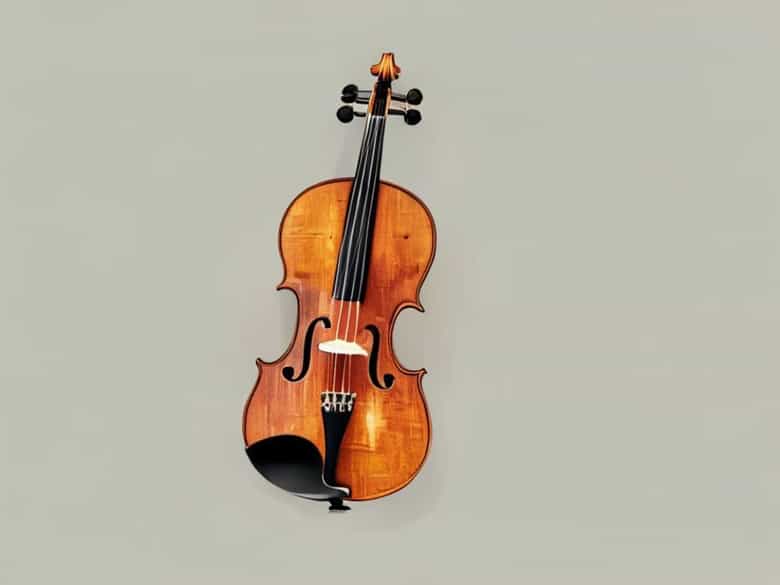
Italy has long been celebrated for its rich musical heritage, particularly in the art of violin making. During the 16th to 18th centuries, certain Italian cities became the heart of violin manufacture, producing instruments renowned for their exceptional craftsmanship, sound quality, and aesthetic beauty. These centers nurtured generations of luthiers who perfected the art of violin making, contributing to Italy’s reputation as a global hub for string instruments. Among these, Cremona stands out as a one-time center of Italian violin manufacture, where master craftsmen created instruments that remain highly sought after by musicians and collectors worldwide.
The Rise of Italian Violin Manufacture
The Italian violin tradition emerged during the Renaissance, a period characterized by a flourishing of arts, culture, and craftsmanship. The demand for musical instruments grew alongside developments in music composition and performance. Italian luthiers, influenced by advancements in woodworking, acoustics, and design, began to experiment with the form and construction of violins, creating instruments with unparalleled tonal qualities. Cities like Cremona, Brescia, and Venice became focal points where these innovations were cultivated and perfected.
Factors Contributing to Cremona’s Prominence
- Concentration of skilled artisans specializing in string instruments.
- Access to high-quality local woods such as spruce and maple.
- Support from wealthy patrons and musicians who commissioned instruments.
- Cultural environment that valued musical excellence and innovation.
Famous Luthiers of Cremona
Cremona is most renowned for producing master luthiers whose instruments have become legendary. Families like the Amatis, Guarneris, and Stradivaris established the city’s reputation as a premier violin-making center. Their meticulous craftsmanship, attention to detail, and innovative techniques allowed them to produce violins with superior tonal quality, resonance, and durability.
The Amati Family
The Amati family is credited with laying the foundation of the Cremonese violin-making tradition. Andrea Amati, considered the father of the modern violin, refined the shape and construction of violins, setting standards that influenced generations of luthiers. His instruments were highly prized for their elegant design and rich sound, attracting musicians from across Europe.
The Guarneri Family
The Guarneri family, particularly Giuseppe Guarneri del Gesù, built on the Amati tradition while introducing bold innovations in violin design. Their instruments are known for a powerful, dark, and expressive tone, making them especially suitable for solo performances and dramatic musical passages. Guarneri violins remain among the most valued and sought-after instruments in the world.
The Stradivari Legacy
Antonio Stradivari is perhaps the most famous luthier in history. His violins, cellos, and violas are celebrated for their exceptional craftsmanship, tonal brilliance, and balance. Stradivari refined the construction techniques of Cremonese luthiers, experimenting with varnishes, wood selection, and body proportions to create instruments with unmatched sound quality. Today, Stradivari instruments are treasured by musicians and collectors alike and continue to set the standard for violin excellence.
Characteristics of Cremonese Violins
Cremonese violins, produced during the golden era of Italian violin manufacture, are distinguished by several key features that contribute to their enduring fame. These characteristics reflect the combination of skilled craftsmanship, careful material selection, and artistic sensibility.
Materials and Craftsmanship
- Use of fine spruce for the top plate and maple for the back, sides, and neck.
- Precision in carving, shaping, and assembling the body to optimize sound resonance.
- Application of unique varnishes that enhance aesthetic appeal and acoustic performance.
- Attention to details such as purfling, scroll work, and f-holes to improve tonal quality and durability.
Tonal Quality
Cremonese violins are celebrated for their rich, warm, and balanced tone. The instruments produce a wide range of dynamics and tonal colors, allowing musicians to express subtle nuances in performance. The resonance and projection of these violins are particularly prized in concert settings, contributing to their lasting popularity among professional performers.
The Decline and Legacy
While Cremona was once the unrivaled center of Italian violin manufacture, the prominence of the city gradually declined in the 19th century due to political changes, economic challenges, and competition from other regions. Despite this decline, the legacy of Cremonese luthiers endures through their instruments and the influence they had on violin-making traditions worldwide. Modern luthiers continue to study and emulate the techniques of Cremonese masters, ensuring that the artistry and quality of these instruments are preserved.
Modern Influence
- Cremonese violins serve as models for contemporary violin makers around the world.
- Musicians and orchestras continue to seek out original Cremonese instruments for performance.
- Violin-making schools and workshops study historical techniques to train new generations of luthiers.
- The cultural heritage of Cremona is celebrated through museums, exhibitions, and festivals dedicated to violin craftsmanship.
The city of Cremona represents a one-time center of Italian violin manufacture that profoundly influenced the art of string instrument making. Through the work of master luthiers such as the Amatis, Guarneris, and Stradivaris, Cremona produced violins that remain unparalleled in craftsmanship, tonal quality, and aesthetic beauty. The combination of skilled artisanship, high-quality materials, and artistic innovation allowed Cremona to dominate the violin-making world during its golden era. Although the city’s prominence has waned over time, its legacy continues to inspire musicians, collectors, and luthiers around the globe. Cremona’s contribution to violin manufacture highlights the enduring importance of tradition, skill, and artistry in creating instruments that transcend generations and continue to resonate in the world of music today.