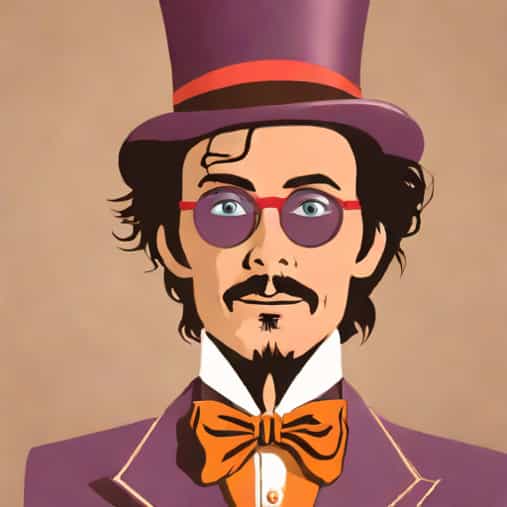
The 2005 adaptation ofCharlie and the Chocolate Factorystarring Johnny Depp brought a fresh, visually stunning interpretation of Roald Dahl’s beloved classic to the big screen. Directed by Tim Burton, this version reimagined the story with darkly whimsical aesthetics, elaborate set designs, and a unique portrayal of the iconic character Willy Wonka. Johnny Depp’s performance drew attention and sparked debate, as his take on the eccentric chocolatier was markedly different from Gene Wilder’s version in the 1971 film. The movie combines imaginative storytelling, vibrant visuals, and memorable musical sequences, making it a fascinating cinematic experience for both children and adults. This topic explores the film, Johnny Depp’s role, the reception, and its impact on audiences and pop culture.
Johnny Depp as Willy Wonka
Johnny Depp’s portrayal of Willy Wonka is distinctive and unforgettable. Unlike the warm and slightly mysterious version by Gene Wilder, Depp’s Wonka is portrayed as socially awkward, with quirky mannerisms and a peculiar childhood backstory. Depp’s performance emphasized Wonka’s eccentricities, highlighting his reclusive nature and obsession with chocolate-making perfection. Fans of the book noted that this approach brought a psychological dimension to the character, explaining some of his odd behavior while maintaining the whimsical charm of the original story.
Character Interpretation
Depp’s Willy Wonka wears elaborate costumes, often featuring bold colors and intricate details, reflecting Tim Burton’s signature gothic and fantastical visual style. The character’s mannerisms, including his delicate, almost robotic movements and high-pitched voice, were deliberately exaggerated to convey his peculiar personality. This portrayal brought both intrigue and controversy, as some viewers found it unsettling while others appreciated the depth and creativity Depp brought to the role. The backstory of Wonka’s childhood, involving overprotective parents and his fear of germs, provided additional context for his eccentricities.
The Story and Adaptation
The plot of Johnny Depp’sCharlie and the Chocolate Factoryremains faithful to Roald Dahl’s original novel, with slight modifications to incorporate Tim Burton’s unique visual style and character interpretations. The story follows young Charlie Bucket, a poor boy who wins a golden ticket to tour Willy Wonka’s magical chocolate factory along with four other children. Each child represents a particular flaw or vice, which leads to humorous and sometimes dark consequences within the factory’s fantastical rooms.
- Charlie Bucket The humble and kind-hearted protagonist whose good nature ultimately earns Willy Wonka’s trust.
- Augustus Gloop A gluttonous boy who falls into the chocolate river due to his greed.
- Veruca Salt A spoiled and demanding child who meets her downfall in the nut room.
- Violet Beauregarde Obsessed with chewing gum, she suffers consequences after sampling an experimental product.
- Mike Teavee A television-obsessed child who faces unexpected consequences in the experimental teleportation room.
The factory itself is a marvel of creativity, filled with chocolate rivers, edible landscapes, and bizarre inventions. Tim Burton’s adaptation enhances these fantastical elements with darker tones, creating a visually immersive experience that distinguishes this film from the earlier 1971 adaptation.
Visual Style and Production Design
One of the most striking features of Johnny Depp’sCharlie and the Chocolate Factoryis its elaborate production design. Tim Burton’s aesthetic is evident in every detail, from the gothic architecture of the factory to the eccentric costumes of the Oompa-Loompas, who were portrayed by deep-voiced actors in orange makeup. The use of CGI combined with practical effects created a visually rich environment that captivated audiences, particularly children, with its imaginative settings.
Music and Songs
The film includes musical numbers composed by Danny Elfman, a frequent collaborator of Tim Burton. Songs like Wonka’s Welcome Song and Oompa-Loompa-Doompa-De-Do bring humor and rhythm to the story while staying true to Dahl’s playful and moralistic tone. Johnny Depp’s singing and delivery, although unusual, fit the eccentric personality of his version of Willy Wonka. The music reinforces the film’s whimsical yet slightly dark atmosphere, enhancing the narrative and character development.
Reception and Criticism
Upon release, the film received mixed reviews from critics and audiences. Johnny Depp’s performance, in particular, divided opinions. Some praised his creativity and commitment to the eccentric role, while others found his portrayal too unsettling for younger viewers. Critics appreciated the visual imagination and faithful adaptation of Dahl’s book, but some noted that the darker tone might not appeal to all children.
Box Office Performance
Despite mixed reviews, the film performed well at the box office, grossing over $475 million worldwide. Its financial success demonstrated the enduring popularity of Roald Dahl’s story and the draw of Johnny Depp and Tim Burton as a creative team. The film also generated discussions about the balance between faithfulness to source material and creative reinterpretation in cinematic adaptations.
Impact on Pop Culture
Johnny Depp’s portrayal of Willy Wonka has become a recognizable part of modern pop culture. Memes, online discussions, and fan theories often reference his unusual behavior and unique costume design. The film also renewed interest in Roald Dahl’s book for a new generation of readers. Despite controversy, Depp’s interpretation encouraged creative freedom in adapting classic literature for contemporary audiences, illustrating how iconic stories can be retold with fresh perspectives.
Legacy
Over the years, Johnny Depp’sCharlie and the Chocolate Factoryhas maintained a presence in discussions about film adaptations and actor portrayals. It serves as a case study in how performances can challenge traditional expectations and evoke strong emotional responses, whether positive or negative. The movie continues to attract viewers who are curious about Depp’s unique take on Willy Wonka and Tim Burton’s imaginative vision.
Johnny Depp’s role inCharlie and the Chocolate Factorybrought a distinctive, eccentric energy to the character of Willy Wonka, setting this adaptation apart from previous versions. Tim Burton’s darkly whimsical visual style, combined with elaborate production design, musical numbers, and a faithful yet imaginative retelling of Dahl’s story, makes the film a unique cinematic experience. While the portrayal sparked debate, it contributed to the ongoing dialogue about creative interpretation in adaptations and left a lasting mark on pop culture. For fans of Roald Dahl, Tim Burton, or Johnny Depp, this film offers a memorable journey into a world of chocolate, imagination, and eccentric genius.