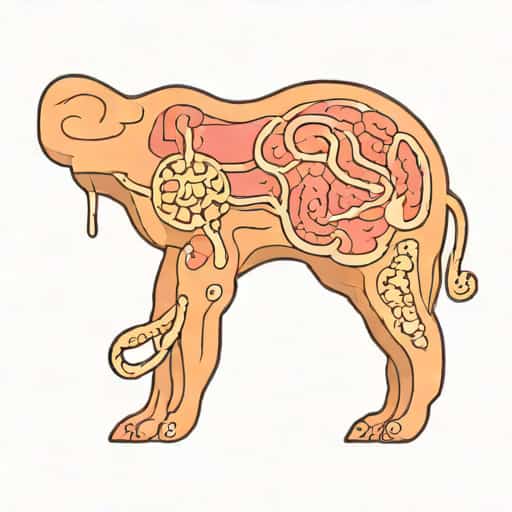
The ruminant digestive system is one of the most fascinating and complex digestive systems in the animal kingdom, allowing animals such as cows, sheep, goats, and deer to efficiently extract nutrients from fibrous plant materials. Among the four compartments of the ruminant stomach the rumen, reticulum, omasum, and abomasum the omasum plays a unique and crucial role in the digestive process. Often overlooked compared to the rumen or abomasum, the omasum serves specific functions that are essential for nutrient absorption, water balance, and overall digestive efficiency. Understanding the function of the omasum in ruminants is important for veterinarians, animal nutritionists, and livestock farmers who aim to maintain healthy and productive animals.
Structure of the Omasum
The omasum is the third compartment of the ruminant stomach, located between the reticulum and the abomasum. It is sometimes referred to as the manyplies stomach because of its internal structure, which consists of numerous folds or leaf-like projections. These folds greatly increase the surface area within the omasum, allowing it to carry out its specialized functions efficiently. The size and development of the omasum can vary depending on the species and age of the animal, but in general, it is a muscular organ designed to handle partially digested food passed from the reticulum.
Internal Features of the Omasum
- Leaf-like folds called laminae that provide a large surface area for absorption.
- Muscular walls that help grind food ptopics and facilitate movement of digesta.
- Connections to the reticulum via the reticulo-omasal orifice and to the abomasum via the omaso-abomasal orifice.
These structural features are critical to the omasum’s ability to perform its functions effectively and maintain the overall efficiency of the ruminant digestive system.
Main Functions of the Omasum
The omasum has several essential functions that contribute to the overall digestion and nutrient absorption in ruminants. Its activities are primarily mechanical and absorptive in nature.
Absorption of Water and Electrolytes
One of the primary functions of the omasum is to absorb water and electrolytes from the ingested feed. As the partially digested food, known as chyme, passes from the reticulum into the omasum, a significant amount of water and minerals is removed. This absorption helps concentrate the digesta, making nutrient extraction more efficient in the subsequent abomasum. Proper water and electrolyte absorption is vital for maintaining hydration, osmotic balance, and overall metabolic health in ruminants.
Mechanical Breakdown of Feed
The muscular walls of the omasum contract to grind and triturate feed ptopics. This mechanical action reduces the size of fibrous ptopics, making it easier for enzymes and microbes to access nutrients in later stages of digestion. By efficiently grinding feed, the omasum contributes to a smoother passage of digesta into the abomasum, where chemical digestion occurs.
Absorption of Volatile Fatty Acids
Although most volatile fatty acid (VFA) absorption occurs in the rumen, the omasum also plays a minor role in absorbing VFAs that have escaped the rumen and reticulum. These fatty acids are critical energy sources for ruminants, and their absorption contributes to the overall energy balance of the animal.
Regulation of Digesta Flow
The omasum acts as a gatekeeper, regulating the flow of digesta into the abomasum. Its muscular contractions control the passage of feed, ensuring that only appropriately processed material enters the abomasum. This regulation prevents overloading the abomasum and allows for efficient enzymatic digestion and nutrient absorption in the true stomach.
Importance in Ruminant Nutrition
Understanding the omasum’s function is critical for optimizing ruminant nutrition. The efficiency of water and mineral absorption in the omasum influences the overall feed conversion ratio, growth rate, and milk production. Animals with a healthy, well-functioning omasum are more efficient at utilizing fibrous feeds and maintaining electrolyte balance, which is essential in hot climates or in animals fed high-fiber diets.
Implications for Feed Management
- Providing sufficient water is essential to support the absorptive function of the omasum.
- High-fiber diets require a healthy omasum to ensure proper grinding and water absorption.
- Electrolyte supplements may support omasum function, especially in lactating or heavily working animals.
- Monitoring feed ptopic size can prevent overloading and allow the omasum to function efficiently.
Disorders Affecting the Omasum
Although less commonly discussed than rumen disorders, the omasum can be affected by several conditions that impair its function. These include
Omasal Impaction
This condition occurs when fibrous feed or foreign material becomes trapped in the omasum, blocking the passage of digesta into the abomasum. Symptoms include decreased appetite, reduced milk production, and abdominal discomfort. Prompt veterinary intervention is required to relieve the blockage and restore normal digestion.
Omasal Ulcers
Ulceration of the omasum can result from high-acid diets or chronic ruminal acidosis. These ulcers can reduce the absorptive capacity of the omasum and lead to poor nutrient uptake, weight loss, and overall health decline.
Displaced Omasum
In rare cases, the omasum can become displaced due to gas accumulation, trauma, or other gastrointestinal disorders. This displacement can obstruct digesta flow and compromise both water and nutrient absorption.
The omasum is a vital component of the ruminant digestive system, performing functions that are critical for water absorption, mechanical breakdown of feed, volatile fatty acid uptake, and regulation of digesta flow into the abomasum. Its unique structure, with numerous folds and muscular walls, enables it to carry out these tasks efficiently. A healthy omasum ensures optimal feed utilization, proper hydration, and overall animal productivity. For livestock farmers, veterinarians, and animal nutritionists, understanding the omasum’s function is essential for maintaining ruminant health, designing effective feeding strategies, and preventing digestive disorders. By appreciating the role of the omasum within the ruminant digestive system, one can better support the nutrition, growth, and performance of these remarkable animals.