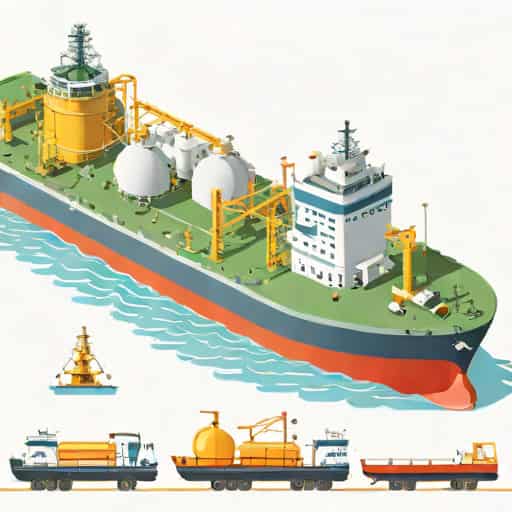
Oil chemical tanker familiarization training is an essential program designed for seafarers and maritime professionals who will work on vessels carrying oil and chemical cargoes. This training equips crew members with the knowledge and practical skills required to safely operate, maintain, and respond to emergencies aboard tankers. Understanding the complexities of oil and chemical handling, storage procedures, environmental regulations, and safety protocols is critical to preventing accidents, protecting the marine environment, and ensuring the safety of all personnel on board. Familiarization training serves as the foundation for more advanced tanker operations and specialized courses in the maritime industry.
Objectives of Oil Chemical Tanker Familiarization Training
The main objective of oil chemical tanker familiarization training is to prepare seafarers to understand the unique hazards and operational requirements of working on oil and chemical tankers. Trainees learn to identify various cargo types, understand the handling characteristics, and follow operational procedures. Additionally, the training emphasizes safety, emergency response, pollution prevention, and compliance with international regulations, ensuring crew members can perform their duties effectively and responsibly.
Key Objectives
- Understanding the design and layout of oil and chemical tankers.
- Recognizing different types of cargoes and their specific handling requirements.
- Learning safety procedures to prevent accidents and exposure to hazardous substances.
- Familiarization with international maritime regulations, including MARPOL and ISGOTT guidelines.
- Developing basic emergency response skills for fires, spills, and chemical leaks.
- Enhancing awareness of environmental protection measures and pollution prevention.
Structure of the Training Program
Oil chemical tanker familiarization training typically combines classroom instruction with practical exercises to ensure comprehensive understanding. Trainees are introduced to tanker systems, cargo handling procedures, safety equipment, and emergency response protocols. The program may include lectures, demonstrations, simulations, and hands-on sessions to familiarize crew members with real-life scenarios encountered on tankers. Emphasis is placed on teamwork, communication, and adherence to safety standards to ensure efficient and safe operations.
Core Modules of Training
- Tanker terminology and ship layout, including cargo tanks, pipelines, and pumps.
- Cargo characteristics, classification, and compatibility of oil and chemical products.
- Cargo handling procedures, including loading, unloading, and transfer operations.
- Safety systems, personal protective equipment (PPE), and hazard awareness.
- Emergency preparedness, including fire-fighting, spill containment, and evacuation drills.
- Environmental regulations and practices for preventing pollution at sea.
Understanding Cargo Operations
One of the most critical aspects of familiarization training is learning how to handle oil and chemical cargoes safely. Trainees are educated on the properties of different substances, such as flammability, toxicity, and reactivity. Understanding the correct procedures for loading, discharging, and transferring cargo is essential to avoid accidents. Trainees also learn about segregation of incompatible chemicals, the use of inert gases, and temperature and pressure monitoring to maintain cargo integrity.
Cargo Handling Practices
- Checking cargo compatibility to prevent dangerous reactions.
- Using proper pipelines, pumps, and valves during cargo transfer operations.
- Monitoring temperature, pressure, and tank levels to ensure safe handling.
- Following standardized procedures for loading and unloading to prevent spills.
- Documenting cargo operations for compliance with international regulations.
Safety and Emergency Preparedness
Safety is a cornerstone of oil chemical tanker operations, and familiarization training provides trainees with the knowledge and skills to respond effectively to emergencies. This includes learning how to identify hazards, use safety equipment, and implement emergency procedures in the event of fires, leaks, or chemical spills. Crew members are trained to perform drills, communicate efficiently during crises, and take preventive measures to minimize risks to personnel, the vessel, and the environment.
Emergency Response Training
- Fire-fighting techniques specific to oil and chemical cargo fires.
- Spill containment and cleanup procedures for hazardous substances.
- Use of personal protective equipment (PPE) in emergency situations.
- Evacuation procedures and lifesaving appliance training.
- Communication protocols during emergencies to coordinate crew response.
Environmental Protection and Regulations
Oil chemical tanker familiarization training emphasizes compliance with international regulations designed to protect the marine environment. Trainees learn about MARPOL conventions, oil pollution prevention measures, and best practices for minimizing environmental impact. Understanding the importance of responsible operations, proper waste management, and pollution prevention is critical for maintaining the reputation of shipping companies and preserving marine ecosystems.
Key Environmental Practices
- Adhering to MARPOL Annex I and II regulations on oil and chemical discharges.
- Implementing onboard procedures for waste segregation and disposal.
- Monitoring and reporting spills or leaks according to regulatory requirements.
- Using pollution prevention equipment, such as oil-water separators and containment booms.
- Conducting regular environmental audits and inspections to ensure compliance.
Benefits of Oil Chemical Tanker Familiarization Training
Completing oil chemical tanker familiarization training offers numerous benefits for maritime professionals. It ensures crew members are confident and competent in performing their duties, reduces the risk of accidents, and promotes a culture of safety onboard. The training also prepares personnel for more advanced tanker courses, enhances career prospects, and ensures compliance with international certification standards. By fostering a thorough understanding of tanker operations and safety protocols, this training helps protect lives, cargo, and the environment.
Advantages of Training
- Improved knowledge of tanker systems, cargo handling, and safety procedures.
- Enhanced preparedness for emergency situations and risk management.
- Compliance with international maritime regulations and certification requirements.
- Reduced incidence of accidents, spills, and environmental damage.
- Professional development and career advancement opportunities in the maritime industry.
Oil chemical tanker familiarization training is an essential step for seafarers who will operate on vessels carrying hazardous cargoes. The training provides the foundational knowledge and practical skills necessary to safely handle oil and chemical products, operate tanker systems, and respond to emergencies effectively. Emphasizing safety, environmental protection, and regulatory compliance, this training ensures that crew members are well-prepared to meet the challenges of working on oil chemical tankers. By completing familiarization training, maritime professionals not only enhance their competence and confidence but also contribute to the safety, efficiency, and sustainability of global shipping operations.