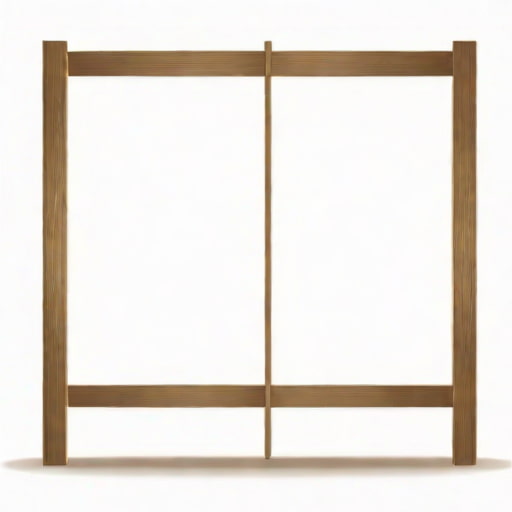
The Japanese screen with translucent white paper, often referred to as a shoji screen, is an iconic element of traditional Japanese architecture and interior design. These screens are characterized by wooden frames filled with delicate, translucent paper, typically rice paper, which allows light to filter through while maintaining privacy. Shoji screens have been used for centuries in Japanese homes, temples, and tea houses, serving both functional and aesthetic purposes. Their elegant simplicity, versatility, and ability to create a harmonious balance between interior and exterior spaces make them a key feature of Japanese design philosophy.
History and Origins of Shoji Screens
Shoji screens have a long history that dates back to ancient Japan. Initially influenced by Chinese sliding doors and architectural styles, Japanese artisans adapted these elements to create lightweight, movable partitions suitable for tatami-matted rooms. By the Heian period (794-1185), shoji screens had become a common feature in aristocratic homes, blending functionality with artistic expression. Over time, the design evolved to include intricate wooden lattice patterns and various types of translucent paper, emphasizing both beauty and utility.
Evolution of the Design
Early shoji screens were simple in construction, consisting of basic wooden frames and untreated paper. As Japanese design aesthetics developed, craftsmen began to incorporate more elaborate patterns and decorative motifs. The lattice framework, known as kumiko, became a signature feature, showcasing geometric precision and meticulous craftsmanship. These intricate designs not only added visual appeal but also enhanced the structural integrity of the screen, making it both practical and decorative.
Materials and Construction
A traditional Japanese screen consists of two primary components the wooden frame and the translucent white paper. The wood used is typically lightweight yet sturdy, such as cedar, cypress, or bamboo. The paper, commonly called washi, is handmade from natural fibers like mulberry bark, which gives it durability and flexibility. The combination of these materials allows the screen to diffuse light gently, creating a soft and calming ambiance in the room.
Wooden Lattice Framework
The wooden lattice, or kumiko, is the structural backbone of the screen. Artisans carefully cut and assemble thin wooden slats into precise geometric patterns, which can range from simple grids to complex interlocking designs. This lattice not only supports the paper but also adds a layer of visual sophistication, creating a subtle interplay of light and shadow when sunlight passes through the screen.
Translucent White Paper
The translucent white paper used in shoji screens is a defining feature. Washi paper allows diffused natural light to enter the room, producing a gentle glow that enhances the serene atmosphere of traditional Japanese interiors. At the same time, the paper provides privacy without blocking the view entirely, maintaining a sense of openness and connection with the outside environment. Some variations may include lightly textured or patterned paper to add depth and character.
Functional Benefits
Shoji screens offer a range of functional benefits that make them integral to Japanese living spaces. Their primary purpose is to divide rooms flexibly, allowing homeowners to adapt interior spaces according to their needs. Unlike solid walls, these screens can be slid open or removed entirely, creating a fluid transition between rooms. This versatility is especially valuable in small homes or multi-purpose spaces where maximizing light and space is important.
Light Diffusion and Privacy
One of the most celebrated features of shoji screens is their ability to diffuse natural light. The translucent paper softens sunlight, reducing glare while illuminating the interior evenly. This creates a calm and inviting environment ideal for meditation, tea ceremonies, or quiet domestic life. At the same time, the screens obscure detailed views, offering privacy without isolating occupants from the natural surroundings.
Space Efficiency
The sliding design of shoji screens allows them to conserve space compared to traditional hinged doors. By moving along tracks rather than swinging open, these screens are ideal for compact rooms and minimalist layouts. Their lightweight construction also makes them easy to reposition, further enhancing their functional flexibility in daily life.
Aesthetic and Cultural Significance
Beyond their practical uses, shoji screens carry deep cultural and aesthetic significance in Japanese design. They embody the principles of simplicity, harmony, and natural beauty, which are central to traditional Japanese architecture. By framing views and filtering light, they create a dynamic interplay between interior and exterior spaces, fostering a sense of tranquility and mindfulness.
Integration in Traditional Interiors
Shoji screens are often used in combination with tatami mats, low furniture, and minimalist decor to create cohesive, peaceful interiors. Their light-diffusing qualities complement the natural textures of wood and straw, reinforcing the connection to nature. In tea houses and temples, shoji screens contribute to a contemplative atmosphere, enhancing rituals and spiritual practices.
Modern Applications
In contemporary architecture and interior design, shoji-inspired screens are increasingly popular for their aesthetic and functional appeal. Modern adaptations may use synthetic materials for durability, while retaining the classic translucent effect. These screens are often incorporated in open-plan homes, offices, and commercial spaces to create flexible partitions, maintain privacy, and introduce soft, natural lighting.
Care and Maintenance
Proper care is essential to preserve the delicate materials of shoji screens. The paper can be susceptible to tears, moisture, and discoloration, while the wooden frame may warp if exposed to excessive humidity. Regular dusting, gentle cleaning, and careful handling help maintain the screen’s beauty and functionality. In some cases, damaged paper can be replaced without dismantling the entire structure, allowing the screens to last for decades.
Repair and Replacement
- Replacing torn or worn washi paper is a straightforward process often done by sliding out the old paper and gluing in a new sheet.
- Wooden frames may require occasional polishing or minor repairs to preserve their structural integrity.
- Maintaining the sliding tracks ensures smooth operation and prevents damage to the screen.
The Japanese screen with translucent white paper, or shoji screen, represents a unique blend of practicality, beauty, and cultural heritage. Its ability to diffuse light, create flexible spaces, and contribute to a serene interior atmosphere makes it an enduring feature of traditional Japanese design. Whether in historical settings or modern adaptations, shoji screens continue to exemplify the elegance, craftsmanship, and harmony that define Japanese architectural aesthetics. Their timeless appeal ensures that they remain both functional and inspirational in contemporary design practices.