The official name of Timor Leste, also known as East Timor, carries deep historical, political, and cultural significance. Officially recognized as the Democratic Republic of Timor-Leste, the name reflects the country’s journey toward independence, its governance structure, and its identity on the international stage. Understanding the official name provides insight into the nation’s struggles for self-determination, its linguistic diversity, and the political framework that guides its development. Timor-Leste is a young nation, having achieved full independence in 2002, and its official name is not only a symbol of sovereignty but also a declaration of its democratic ideals.
Historical Context of the Name
The territory of Timor Leste has a complex history influenced by colonization, conflict, and international intervention. Initially colonized by Portugal in the 16th century, the region was known simply as Portuguese Timor. During this period, Portuguese influence shaped the legal system, language, and cultural practices. In 1975, following Portugal’s withdrawal, Timor Leste briefly declared independence before being invaded and annexed by Indonesia, which referred to it as Timor Timur. After decades of struggle, Timor Leste regained sovereignty, and the adoption of the official name, Democratic Republic of Timor-Leste, marked the beginning of a new era.
Significance of Democratic Republic
The designation Democratic Republic emphasizes the nation’s commitment to democratic governance and the rule of law. Timor-Leste’s constitution establishes a framework for free and fair elections, separation of powers, and protection of human rights. By including Democratic Republic in its official name, the country signals its adherence to these principles to both citizens and the international community. This naming choice reflects a desire to distinguish the country from its colonial and occupation past while highlighting the values of sovereignty and self-governance.
Linguistic and Cultural Dimensions
The official name of Timor-Leste also reflects the nation’s linguistic and cultural diversity. Portuguese remains one of the official languages, alongside Tetum, which is widely spoken by the population. The use of Portuguese in the official name maintains a connection to the country’s historical heritage while promoting international recognition. Tetum, however, reflects the indigenous identity and local culture, ensuring that the name resonates with the citizenry. This linguistic balance underscores the country’s effort to honor both colonial history and native traditions.
International Recognition
The adoption of the official name, Democratic Republic of Timor-Leste, was crucial for international recognition. Upon independence in 2002, the country was admitted to the United Nations under this official title. International organizations, diplomatic missions, and global institutions use the formal name in treaties, agreements, and official documentation. This recognition helps establish Timor-Leste’s presence in global affairs, enabling participation in international trade, diplomacy, and cultural exchange. The official name thus serves not only a domestic purpose but also a critical role in global identity and legitimacy.
Legal and Constitutional Basis
The name Democratic Republic of Timor-Leste is enshrined in the nation’s constitution, which was adopted in 2002 following independence. The constitution outlines the structure of government, fundamental rights, and national symbols. By codifying the official name in the highest legal document, the country ensures that its identity remains protected and cannot be easily altered. This legal foundation reinforces the importance of the name as a cornerstone of national identity and governance.
National Identity and Symbols
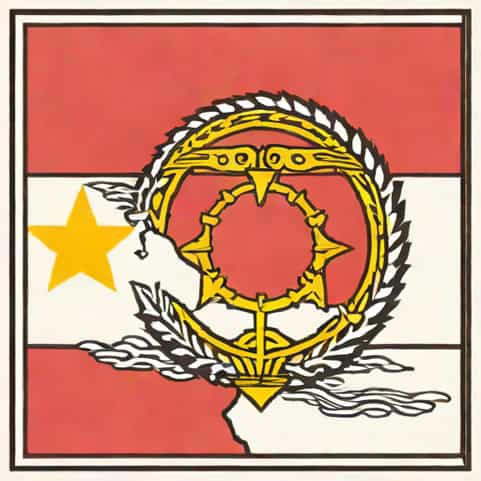
The official name is closely linked to other national symbols such as the flag, anthem, and emblem. Together, these symbols foster a sense of unity and pride among citizens. The name appears in official government documents, passports, and legal publications, serving as a constant reminder of sovereignty and national integrity. By consistently using the official name, Timor-Leste strengthens its collective identity and promotes recognition both at home and abroad.
Regional and Global Context
In the Southeast Asian region, Timor-Leste’s official name distinguishes it from neighboring countries and territories. The name avoids confusion with Indonesia’s provinces and other regions historically associated with Timor. Globally, using the formal title in diplomatic contexts ensures clarity and respect for sovereignty. International media, academic publications, and foreign governments adopt the official name to maintain consistency and to acknowledge Timor-Leste’s status as an independent, democratic nation.
Challenges and Misconceptions
Despite the clarity of the official name, misconceptions sometimes arise. Many people continue to refer to the country as East Timor, which is widely understood but informal. Educating the public and international partners about the correct official name is an ongoing process. Additionally, translating the name into various languages while maintaining accuracy and respect for local linguistic traditions presents occasional challenges. Nevertheless, the official name remains a central pillar of national identity and international diplomacy.
The official name of Timor Leste, Democratic Republic of Timor-Leste, embodies the nation’s history, sovereignty, and democratic principles. It represents the struggles for independence, the cultural and linguistic diversity of the population, and the country’s position within the international community. From its colonial past to its present-day democratic governance, the official name serves as a powerful symbol of identity, unity, and legitimacy. By understanding and using this formal designation, both citizens and global partners recognize the importance of Timor-Leste’s sovereignty and the enduring values of democracy, self-determination, and cultural heritage.