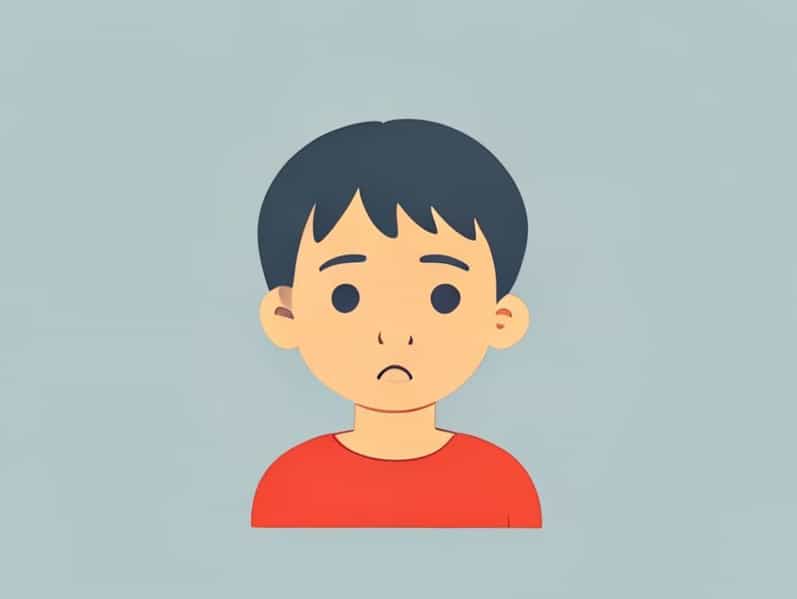
O hapless and child of hapless sire is a phrase that evokes deep emotions of sorrow, misfortune, and the intergenerational effects of hardship. It reflects the human experience of inheriting challenges from previous generations, whether they be social, economic, or personal. The phrase can be interpreted in literary, historical, and philosophical contexts, often highlighting themes of fate, destiny, and the burdens passed down from parent to child. Understanding this concept helps readers appreciate the ways in which circumstances can shape a person’s life and the resilience required to navigate adversity.
Origins and Literary Context
The expression O hapless and child of hapless sire is reminiscent of classical literature, poetry, and dramatic works where the struggles of characters are emphasized through evocative language. Such phrases are often used to highlight the tragedy of a character whose misfortune seems predetermined by the circumstances of their birth. In literature, the hapless child inherits not only the physical or material conditions of their parent but also the emotional, social, and psychological burdens, making the narrative more poignant and layered.
The Role of Fate and Destiny
In literary traditions, fate often plays a crucial role in shaping a character’s life. The term hapless suggests a lack of control or power over one’s destiny, emphasizing vulnerability. The child of a hapless sire is born into an environment where challenges and misfortunes are likely, suggesting a predetermined course shaped by lineage and circumstances. This theme resonates across cultures and eras, from Greek tragedies to Shakespearean dramas, illustrating the enduring human fascination with inherited adversity and destiny.
Historical and Social Interpretations
Beyond literature, the concept can also be explored through historical and social lenses. Throughout history, children often inherit the social, economic, and political conditions of their parents. Poverty, social marginalization, and limited access to resources can create cycles of hardship that span generations. Recognizing these patterns is essential for understanding the structural challenges that affect individuals and communities. The phrase captures not just individual misfortune but also systemic issues that perpetuate disadvantage across generations.
Intergenerational Effects
Children of hapless parents often face challenges that are not their own making but are deeply impactful. These can include
- Economic instability or poverty inherited from the previous generation.
- Limited educational opportunities or access to resources.
- Psychological effects stemming from parental stress, trauma, or hardship.
- Social stigma or marginalization due to family circumstances.
- Inherited cultural or societal pressures that shape expectations and choices.
Understanding these intergenerational effects helps in crafting policies, educational programs, and social initiatives aimed at breaking cycles of misfortune and providing opportunities for growth and resilience.
Philosophical Implications
The phrase also invites reflection on the philosophical aspects of human suffering and resilience. Being a child of hapless sire raises questions about free will, determinism, and moral responsibility. Philosophers have long debated whether individuals are bound by their inherited circumstances or capable of transcending them. The phrase encourages contemplation of the human capacity for perseverance, the role of societal support, and the ethical responsibility to mitigate inherited disadvantages.
Resilience and Human Agency
While the phrase emphasizes inherited misfortune, it also highlights the potential for resilience and growth. Children born into difficult circumstances can, through education, opportunity, and personal determination, overcome the limitations imposed by their heritage. Literature and historical examples abound with stories of individuals who rise above adversity, demonstrating that while haplessness may set the stage, it does not always dictate the outcome. This duality between inherited challenge and personal agency adds depth to the phrase and its relevance in modern discussions of social mobility.
Psychological Perspectives
From a psychological viewpoint, the notion of being a child of hapless sire touches upon the influence of parental behavior, environment, and genetics on a child’s development. Adverse childhood experiences (ACEs) can have long-lasting effects on mental health, coping strategies, and overall well-being. Understanding these psychological dimensions allows for targeted interventions and support systems that can help mitigate the impact of inherited misfortune.
Impact on Development
- Emotional resilience may be challenged by exposure to parental stress or trauma.
- Behavioral patterns and coping mechanisms are often influenced by family environment.
- Access to supportive mentors, community programs, and education can counterbalance inherited difficulties.
- Awareness of these influences allows psychologists and educators to provide guidance tailored to individual needs.
Modern Relevance
In contemporary society, the phrase remains relevant as it captures the challenges faced by children growing up in disadvantaged circumstances. Issues such as poverty, inequality, systemic discrimination, and familial hardship continue to impact successive generations. Recognizing these patterns enables governments, organizations, and communities to create social support systems and policies that foster opportunities, reduce inequities, and empower individuals to break cycles of misfortune.
Strategies for Overcoming Haplessness
- Investing in education and skill development to provide future opportunities.
- Implementing social welfare programs to reduce economic vulnerability.
- Providing mental health support and counseling for families facing hardship.
- Encouraging mentorship and community engagement to build networks of support.
- Promoting policies that address systemic inequalities and create equitable conditions for all children.
Literary Analysis
In literature, the phrase O hapless and child of hapless sire often serves as a thematic device to explore human suffering, moral dilemmas, and the tension between fate and free will. Poets and authors use it to elicit empathy and reflect on the universality of hardship. It draws attention to the inherited nature of struggle while simultaneously inviting reflection on the possibility of hope, courage, and transformation. By analyzing such phrases, readers gain insights into the emotional and philosophical depth of literary works.
Examples in Classic Literature
Many classical works explore the idea of inherited misfortune. Tragic heroes in Greek plays, Shakespearean characters, and epic poetry frequently face obstacles linked to the deeds or misfortunes of their parents. These narratives emphasize that while haplessness can be inherited, the response to adversity defines character and legacy. Such literary explorations mirror real-life experiences, making the phrase both timeless and universally resonant.
O hapless and child of hapless sire captures the profound and often painful reality of inherited misfortune. It resonates in literature, history, philosophy, and psychology, highlighting the challenges faced by individuals born into difficult circumstances. At the same time, it underscores the potential for resilience, agency, and transformation. Recognizing the effects of inherited hardship allows society to better support vulnerable individuals, while in literature, it enriches the portrayal of human struggle and endurance. The phrase serves as a reminder of the interconnectedness of generations and the enduring human quest to overcome adversity, offering both a reflection on inherited suffering and an inspiration for perseverance.