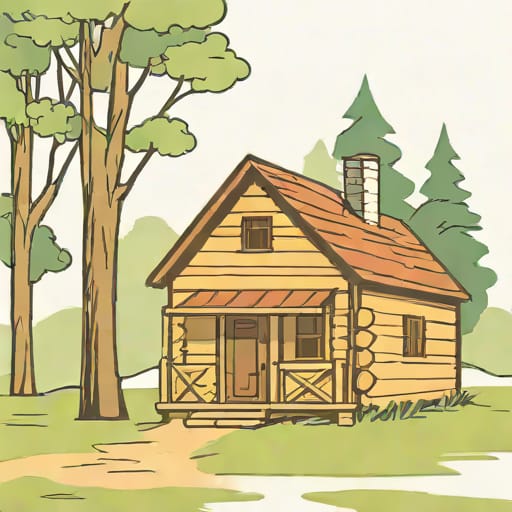
The concept of a normal old cabin possibly linked evokes images of rustic landscapes, historical significance, and connections to past events or communities. Such cabins often carry stories from earlier generations, reflecting architectural styles, living conditions, and cultural practices of their time. While appearing ordinary at first glance, these old cabins may hold links to family histories, local folklore, or even historical events, making them objects of interest for historians, architects, and enthusiasts of heritage preservation. Understanding their value requires examining not only their physical structure but also the potential narratives they embody, the environmental context, and the social or historical connections that may link them to broader themes in regional or national history.
Architectural Features of Old Cabins
Old cabins typically exhibit modest, functional architecture designed to meet the needs of their original occupants. Built primarily from locally available materials such as timber, stone, or logs, these structures often feature simple layouts, pitched roofs, small windows, and central chimneys. Despite their unassuming appearance, each cabin can reveal much about construction methods, local resources, and living conditions from the period it was built. Preservationists and architectural historians often analyze these features to understand building techniques and regional influences, which can provide insights into the daily lives of past generations.
Materials and Construction
The choice of materials for old cabins was largely dictated by availability and durability. Logs were commonly used in forested regions, while stone and adobe might dominate in areas where wood was scarce. Construction methods, such as notching logs for stability or using mortise and tenon joints, showcase the craftsmanship and ingenuity of builders who often had limited resources. These details are essential for linking cabins to specific regions, time periods, and even families, as particular construction techniques were sometimes unique to certain communities.
- Use of locally sourced timber or stone
- Simple construction techniques emphasizing durability and functionality
- Roof styles adapted to climate, such as steep pitches in snowy regions
- Chimneys and hearths as focal points for heating and cooking
Historical and Cultural Connections
Many old cabins are possibly linked to historical events, local traditions, or notable families. Even a seemingly ordinary cabin may have served as a site for early settlement, community gathering, or agricultural activity. These connections are often discovered through oral histories, property records, and regional archives. For example, a cabin might have been used by early pioneers, fur traders, or settlers during expansion periods, creating a tangible link to broader historical narratives. Understanding these links enhances appreciation for the cabin and emphasizes its role as more than just a physical structure.
Documenting Historical Links
Establishing connections between an old cabin and historical or cultural events requires meticulous research. Historians and preservationists often rely on
- Archival records, including land deeds, census data, and tax documents
- Oral histories from local residents or descendants of original occupants
- Archaeological investigations around the cabin site
- Analysis of construction methods and materials to estimate age and origin
Environmental and Contextual Significance
Old cabins are often situated in environments that influenced their design and purpose. Proximity to water, forests, or farmland affected how cabins were built and used. In addition, the surrounding landscape contributes to understanding the lifestyle and activities of the inhabitants. Environmental analysis can reveal agricultural practices, resource utilization, and patterns of settlement, highlighting the interconnectedness between human activity and the natural world. Recognizing these factors helps preserve not just the cabin but also the historical context in which it existed.
Adaptation to Local Conditions
Cabins were designed with climate and terrain in mind. For example, high-altitude cabins might include steep roofs to shed snow, while those in forested regions might have larger timber logs for insulation. Orientation to sunlight, placement near water sources, and access to transportation routes were also considered. Understanding these adaptations allows historians and architects to infer patterns of daily life and survival strategies employed by early residents.
- Placement relative to natural resources like water and timber
- Design adjustments for climate and seasonal conditions
- Integration with agricultural or pastoral activities
- Evidence of long-term habitation and sustainability strategies
Preservation and Restoration
Preserving an old cabin that is possibly linked to historical events or cultural practices involves careful restoration techniques that respect original materials and methods. Restoration projects often aim to stabilize structures, prevent further decay, and maintain authenticity. Organizations and private owners may collaborate with historians, architects, and local authorities to ensure the cabin’s historical integrity is preserved. Proper preservation allows the cabin to serve as an educational resource, offering insights into architectural, social, and environmental history.
Steps in Restoration
- Assessment of structural integrity and identification of damaged areas
- Use of period-appropriate materials and techniques for repairs
- Documentation of restoration process for historical records
- Implementation of protective measures against environmental and human damage
Tourism and Educational Value
Old cabins with historical or cultural significance often attract visitors, historians, and students interested in understanding past lifestyles. They can function as living history museums or educational sites where people experience a tangible connection to earlier times. Interpretive signage, guided tours, and interactive exhibits can enhance the educational experience, making the cabin a resource for community engagement and historical appreciation. Such use also helps generate funds and awareness necessary for ongoing preservation efforts.
Community Engagement
Involving local communities in the preservation and interpretation of old cabins strengthens cultural heritage. Residents may contribute knowledge, stories, and artifacts that enrich the historical narrative. Community-based initiatives ensure that cabins are not only preserved physically but also valued for their social and educational significance.
- Local storytelling and oral history collection
- Community-led preservation projects
- Educational programs for schools and visitors
- Integration with regional heritage trails or cultural events
A normal old cabin, though simple in appearance, can be possibly linked to a wide range of historical, cultural, and environmental contexts. Its architectural features, choice of materials, and placement within the landscape provide insights into the lifestyle, skills, and challenges of past inhabitants. Careful research, preservation, and community engagement can reveal these links, transforming an ordinary structure into a valuable resource for education and heritage conservation. By recognizing the potential significance of such cabins, society can better appreciate the depth of history embedded in these humble structures and ensure their stories are passed on to future generations.
Ultimately, old cabins serve as windows into the past, offering a physical and cultural connection to history. Their preservation and study not only honor previous generations but also provide contemporary audiences with opportunities to learn about architecture, survival strategies, and social history. Through careful documentation, restoration, and educational initiatives, the narrative of a normal old cabin possibly linked can be shared widely, enriching both local communities and broader historical understanding.