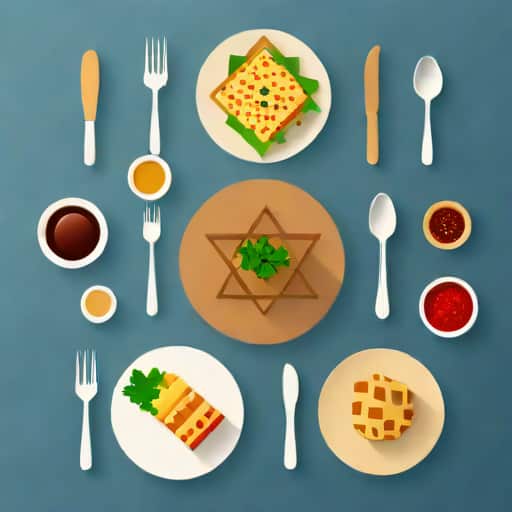
The night of the first Seder in 2024 marks a significant moment for Jewish families around the world as they gather to celebrate Passover, a festival commemorating the liberation of the Israelites from slavery in ancient Egypt. This night is filled with rituals, storytelling, and symbolic foods that are central to Jewish tradition and identity. Observing the Seder is not only a religious act but also a cultural practice that reinforces family bonds, intergenerational learning, and a shared sense of history. In 2024, the celebration of the first Seder continues to uphold centuries-old customs while adapting to modern lifestyles, ensuring that the meaning of freedom, remembrance, and gratitude is passed on to future generations.
Understanding the Seder
The word Seder means order in Hebrew, reflecting the structured sequence of rituals, prayers, and readings that make up the Passover meal. The Seder is traditionally held on the first night of Passover, which in 2024 falls on [insert date based on the Hebrew calendar]. The ceremony involves reading from the Haggadah, a text that guides participants through the story of the Exodus, while also explaining the significance of each symbolic element on the Seder plate. From the matzah to the bitter herbs, each item serves as a reminder of the hardships endured by the Israelites and the hope for redemption and freedom.
The Haggadah and Storytelling
At the heart of the Seder is the Haggadah, a book that tells the story of the Exodus and provides instructions for the rituals of the night. Families and communities read from the Haggadah, often adding personal reflections, songs, and questions that engage children and adults alike. Asking the Four Questions is one of the most recognizable moments of the Seder, where the youngest participant traditionally asks why this night is different from all other nights. This interactive element encourages curiosity, critical thinking, and a deeper understanding of heritage.
Symbolic Foods of the First Seder
The Seder plate contains several foods, each carrying specific symbolic meaning
- MatzahUnleavened bread representing the haste with which the Israelites left Egypt.
- Bitter herbs (Maror)Symbolizing the bitterness of slavery.
- CharosetA mixture of apples, nuts, wine, and spices representing the mortar used by the Israelite slaves.
- KarpasA green vegetable, usually parsley, dipped in salt water to symbolize tears shed during slavery.
- ZeroaA roasted shank bone representing the Passover sacrifice.
- BeitzahA roasted egg symbolizing life, renewal, and the cycle of nature.
These foods are not only consumed during the meal but also serve as educational tools, helping participants to visualize and internalize the historical events being commemorated. The ritual of tasting, dipping, and discussing these foods creates a multisensory experience that connects the present to the past.
Rituals and Traditions
The first Seder night is filled with rituals that engage all senses. Lighting candles, washing hands ceremonially, reciting blessings over wine and bread, and singing traditional songs all contribute to the festive and reflective atmosphere. Families may also hide the afikoman, a piece of matzah, for children to find, creating an element of playfulness while emphasizing the importance of the Seder’s teachings. Each ritual is designed to provoke thought, reflection, and discussion about freedom, oppression, and the resilience of the human spirit.
Engaging the Younger Generation
One of the defining features of the first Seder is its focus on education and engagement for children. Asking questions, telling stories, and incorporating interactive games ensures that young participants understand the significance of the night. By actively involving children in the rituals, families reinforce values such as empathy, gratitude, and the importance of remembering history. In 2024, many families are also incorporating digital tools and multimedia resources to make the Seder more engaging while preserving its traditional essence.
Modern Adaptations of the Seder
While the core rituals of the Seder remain unchanged, many families adapt the ceremony to fit contemporary lifestyles. In 2024, virtual Seders have become more common, allowing dispersed families to participate together online. Some households incorporate modern readings or interfaith perspectives to make the celebration more inclusive and relevant to today’s world. These adaptations reflect the dynamic nature of Jewish tradition, demonstrating how ancient rituals can evolve while maintaining their spiritual and educational significance.
Community and Family Importance
The first Seder is not only a religious observance but also a time for strengthening community and family bonds. Friends, relatives, and neighbors often come together to share the meal, celebrate heritage, and reflect on shared values. Synagogues and community centers may host public Seders, emphasizing collective remembrance and cultural continuity. By participating in these communal events, individuals reinforce a sense of belonging, continuity, and collective responsibility to remember the lessons of history.
Spiritual Significance
The first Seder night carries deep spiritual meaning, symbolizing liberation, faith, and renewal. It is a time to reflect on the journey from slavery to freedom, both in historical and metaphorical terms. Participants are reminded of the importance of resilience, hope, and moral responsibility. The rituals encourage introspection about personal freedom, social justice, and the ethical lessons that continue to resonate across generations. In 2024, these spiritual themes remain as relevant as ever, offering guidance and inspiration in a complex and rapidly changing world.
Reflecting on Freedom and Responsibility
The Seder encourages participants to consider the broader implications of freedom. While the Exodus narrative recounts the liberation of the Israelites from physical oppression, it also invites reflection on ethical freedom, social responsibility, and the role individuals play in promoting justice and compassion. By engaging with these themes during the first Seder, families and communities connect their historical heritage to contemporary moral values, fostering awareness, empathy, and a sense of civic duty.
The night of the first Seder in 2024 is a multifaceted celebration, blending historical remembrance, ritual practice, education, and spiritual reflection. Through symbolic foods, structured rituals, and interactive storytelling, participants are reminded of the enduring significance of freedom and the resilience of the human spirit. The Seder connects generations, strengthens family and community bonds, and encourages ethical reflection on the past and present. Whether experienced in traditional settings, modern adaptations, or virtual gatherings, the first Seder night remains a cornerstone of Jewish cultural and religious life, offering an opportunity to honor heritage, teach enduring values, and celebrate the ongoing journey toward liberation, understanding, and shared humanity.