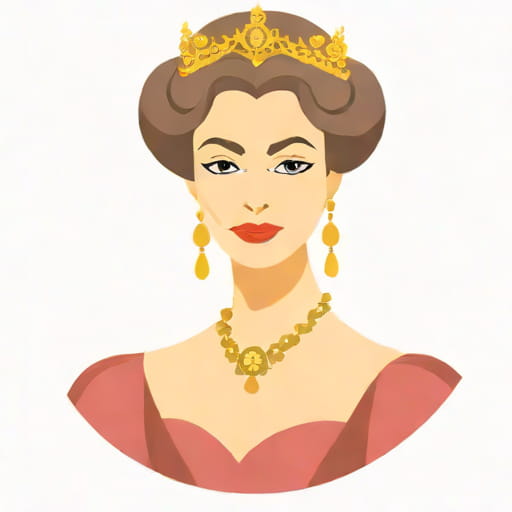
Countess Marya Zaleska was a fascinating figure whose life intertwined European aristocracy, literary influence, and social prominence during the late 19th and early 20th centuries. Known for her charm, intelligence, and cultural contributions, she captured the attention of both high society and intellectual circles. While details of her personal life remain partially obscured by the passage of time, her legacy endures through historical records, correspondence, and accounts from contemporaries. Countess Marya Zaleska exemplifies the complex roles aristocratic women could play in shaping cultural and social narratives, balancing tradition with personal ambition and influence. Her story offers insight into the expectations and possibilities for women of her status during a transformative period in European history.
Early Life and Family Background
Countess Marya Zaleska was born into a noble family in Europe, though records vary on the specific country of her birth. Her aristocratic lineage provided her with access to education, cultural exposure, and social networks that were not readily available to most women of her era. From a young age, she displayed an interest in literature, music, and the arts, reflecting the intellectual environment cultivated by her family. These early experiences helped shape her identity and positioned her to become an influential figure in social and cultural circles later in life.
Education and Cultural Formation
Education played a central role in Marya Zaleska’s development. As was common among European aristocracy, she received training in multiple languages, literature, history, and the arts. This education enabled her to engage with intellectual debates, correspond with writers and thinkers, and participate in cultural salons where literature and philosophy were discussed. Her literacy, artistic sensibility, and cosmopolitan outlook allowed her to navigate both aristocratic expectations and emerging modernist ideas.
Marriage and Aristocratic Duties
As a member of the nobility, Countess Marya Zaleska’s life was also shaped by her social obligations and marital alliances. Marriages within the aristocracy were often as much about social and political connections as personal choice. Through her marriage, she gained influence and visibility in courtly and social circles, allowing her to host gatherings, participate in philanthropic efforts, and support cultural initiatives. Despite the expectations placed upon her, Zaleska is noted for maintaining her intellectual independence and cultivating her personal interests alongside her societal duties.
Social and Cultural Influence
Countess Marya Zaleska was widely respected for her role in promoting arts, literature, and cultural exchange. She hosted salons, engaged with writers, and encouraged artistic endeavors, contributing to the intellectual vibrancy of her era. Her insight into literature and the arts allowed her to mentor emerging talents and serve as a connector between creative minds and patrons. Zaleska’s influence extended beyond social gatherings, impacting cultural movements and artistic production through her support and patronage.
Personal Traits and Public Persona
Contemporary accounts describe Countess Marya Zaleska as intelligent, poised, and charismatic. She was admired for her wit, elegance, and ability to engage in thoughtful discourse, qualities that helped her command attention in both aristocratic and intellectual settings. Her public persona combined refinement with a sense of personal authenticity, making her a memorable and respected figure among peers. These traits allowed her to navigate the complexities of high society while retaining her individuality and influence.
Philanthropy and Civic Engagement
In addition to her cultural contributions, Zaleska was involved in charitable and civic activities. Aristocratic women of her era often participated in social initiatives aimed at education, poverty alleviation, or healthcare, and Zaleska was no exception. She used her status and resources to support causes that reflected her values, demonstrating a commitment to social responsibility alongside her cultural influence. Her philanthropic efforts further reinforced her reputation as a woman of substance and compassion within her community.
Legacy and Historical Significance
The legacy of Countess Marya Zaleska is reflected in both historical records and the cultural impact she fostered during her lifetime. While she may not have produced widely recognized literary works herself, her role as a patron, cultural interlocutor, and social leader contributed to the flourishing of intellectual and artistic circles. Her life illustrates the multifaceted ways in which aristocratic women could exert influence, bridging the worlds of art, society, and public service.
Influence on Literature and Arts
Zaleska’s patronage and engagement with literary and artistic communities helped promote creativity and innovation. Writers, musicians, and artists benefited from her support, whether through direct sponsorship, networking opportunities, or intellectual guidance. Her involvement in salons and cultural gatherings provided platforms for discussion and collaboration, fostering environments where ideas could be shared and refined. This impact on European arts and letters, while often indirect, contributed to broader cultural developments of the period.
Challenges and Social Context
Countess Marya Zaleska lived during a time of social change and evolving expectations for women. Aristocratic women were expected to balance social duties, family responsibilities, and personal interests within a rigid hierarchical structure. Zaleska navigated these challenges with skill, maintaining her influence and autonomy while fulfilling societal obligations. Her ability to assert her intellectual and cultural presence within these constraints reflects both personal resilience and the broader shifts occurring in European society regarding the roles of women.
Recognition and Historical Records
Although much of Zaleska’s life is known primarily through letters, memoirs, and historical references, these sources provide valuable insight into her character and contributions. Historians and scholars interested in European aristocracy, women’s history, and cultural patronage often cite her as an example of a woman who successfully bridged societal expectations and personal ambition. Her recognition continues in academic studies and historical accounts, highlighting the enduring interest in her life and achievements.
Countess Marya Zaleska remains a compelling figure in European history, embodying the intersection of aristocracy, culture, and social influence. Through her education, social engagement, and patronage of the arts, she left an indelible mark on the intellectual and cultural landscape of her time. Her life demonstrates the potential for aristocratic women to shape society not only through traditional roles but also through active participation in cultural and philanthropic endeavors. The legacy of Countess Marya Zaleska offers valuable lessons about the power of intellect, social influence, and personal agency within historical and cultural contexts. By examining her life, we gain a deeper understanding of the contributions of women in shaping both society and culture during a transformative era.