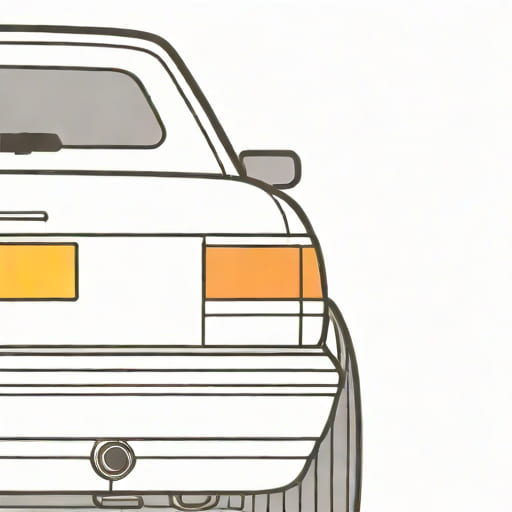
When you see the warning nearside registration plate lamp inoperative, it may sound like a small issue, but it is more important than many drivers realize. A registration plate lamp, often called a number plate light, ensures that your license plate is visible to other drivers and law enforcement during low light conditions. Having it fail can not only create safety concerns but also lead to fines or issues during vehicle inspections. Understanding what this problem means, why it matters, and how to fix it can help you avoid unnecessary trouble on the road.
What Does Nearside Registration Plate Lamp Inoperative Mean?
The phrase may seem technical, but it is actually straightforward once broken down. Nearsid refers to the side of the vehicle closest to the curb or pavement. In left-hand drive countries, this means the passenger side, while in right-hand drive countries it usually refers to the driver’s side. Registration plate lamp inoperative means that the light designed to illuminate your license plate on that side is not working properly. Essentially, one of the small bulbs meant to keep your plate visible at night has stopped functioning.
Why This Issue is Important
Many drivers may think a broken registration plate lamp is a minor inconvenience, but its importance should not be underestimated. These lights serve multiple purposes
- They make your license plate visible to law enforcement and other drivers in the dark.
- They help prevent accidents by ensuring your vehicle can be properly identified at night.
- They are a legal requirement in most regions, meaning you could face fines if they are not working.
- They can cause a failed vehicle inspection or MOT test if left unrepaired.
Common Causes of Inoperative Registration Plate Lamps
If your nearside registration plate lamp is not functioning, several common issues may be to blame. Identifying the cause makes it easier to find a quick solution.
Burnt-Out Bulb
The most common reason is simply a blown bulb. Just like any light bulb, registration plate lamps have a limited lifespan and need to be replaced after extended use.
Wiring Problems
Sometimes the issue is not with the bulb itself but with the wiring that powers it. Loose connections, corroded wires, or damaged sockets can prevent the lamp from working correctly.
Fuse Issues
In some vehicles, the plate lamps share a fuse with other lights. If the fuse blows, both sides may go out, or one side may be affected depending on the wiring setup.
Lens Damage or Dirt
If the lens covering the lamp is cracked, filled with moisture, or covered with dirt, the light may not function effectively, even if the bulb is intact.
How to Diagnose the Problem
To understand why your nearside registration plate lamp is inoperative, follow a simple troubleshooting process
- Turn on your vehicle’s lights and check if the plate lamp on the nearside is glowing.
- If not, inspect the bulb visually. A burnt-out filament indicates it needs replacement.
- Check the opposite side lamp. If both are out, the issue may be a fuse.
- Look at the lamp housing for signs of moisture, cracks, or corrosion.
- If you have a multimeter, test the voltage at the lamp socket to ensure power is reaching it.
Fixing an Inoperative Nearside Registration Plate Lamp
Fortunately, repairing this problem is usually simple and inexpensive. Depending on the cause, here are some potential solutions
Replacing the Bulb
This is the easiest fix. Most vehicles use small, inexpensive bulbs that can be purchased from auto parts stores. Replacing the bulb usually requires removing a few screws or clips from the lamp housing.
Cleaning or Replacing the Lens
If dirt or moisture has built up inside, clean the lens and housing. In cases of damage, replacing the lens may be necessary to prevent water from entering and damaging the bulb again.
Repairing Wiring
If you notice frayed or corroded wires, they may need repair or replacement. This can be a more advanced fix, sometimes requiring the help of a professional mechanic.
Checking the Fuse
Consult your vehicle’s manual to locate the fuse responsible for the registration plate lamps. If it is blown, replace it with one of the same rating.
Legal and Safety Implications
Driving with an inoperative nearside registration plate lamp may seem harmless, but it can lead to several consequences. Law enforcement officers may issue warnings or fines, and in some regions, it can result in a failed MOT or vehicle inspection. Ensuring your license plate is properly illuminated helps you comply with legal requirements and maintain vehicle safety standards.
Preventing Future Problems
To avoid dealing with a failed registration plate lamp in the future, consider these preventive measures
- Regularly check your vehicle’s exterior lights, including registration plate lamps.
- Clean the lamp housing periodically to prevent dirt and moisture buildup.
- Use quality replacement bulbs designed for your vehicle model.
- Inspect the wiring whenever you replace bulbs to catch potential issues early.
When to Seek Professional Help
In most cases, fixing a nearside registration plate lamp is a simple DIY job. However, if you replace the bulb and fuse but the light still does not work, the issue may involve more complex electrical problems. In such cases, visiting a qualified mechanic or auto electrician is the best choice. They can diagnose hidden wiring issues and ensure everything is safely repaired.
A nearside registration plate lamp inoperative may seem like a minor vehicle fault, but it carries significant legal and safety implications. Understanding what it means, why it matters, and how to fix it ensures that your vehicle remains roadworthy and compliant with the law. By checking bulbs, wiring, fuses, and lenses, most drivers can repair the issue quickly and affordably. Keeping your registration plate lamps in working condition not only avoids fines and failed inspections but also contributes to safer driving for everyone on the road.