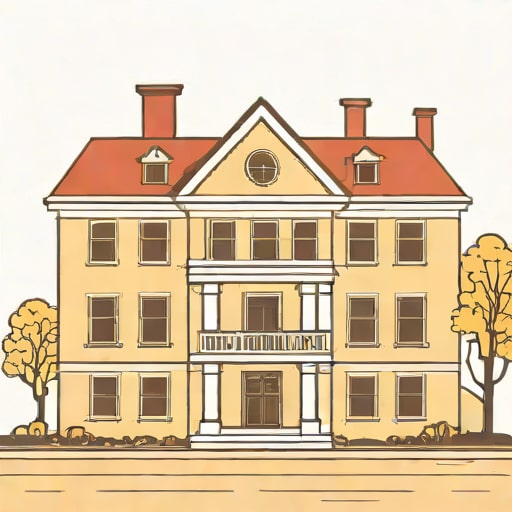
The Museum of the Home, formerly known as the Geffrye Museum, is a unique cultural institution located in London that preserves and showcases the history of domestic life in England. One of its most notable features is the Almshouse, a historic building that has served as a home for the elderly and disadvantaged since the early 18th century. The Almshouse is not only an architectural landmark but also a symbol of social care and community living over the centuries. Visiting the Museum of the Home and its Almshouse provides insight into how living spaces, social structures, and domestic life have evolved, offering a rich and immersive experience for history enthusiasts and casual visitors alike.
History of the Almshouse
The Almshouse at the Museum of the Home was originally built in 1714, funded by Sir Robert Geffrye, a former Lord Mayor of London. His vision was to create a residence for widows of ironmongers, providing them with security and comfort in their later years. The Almshouse consisted of a series of small, well-planned apartments arranged around a central garden, reflecting early 18th-century architectural design and social ideals. Over the centuries, the Almshouse has retained much of its original charm while adapting to changes in housing standards and social care practices.
Architectural Features
The Almshouse is characterized by its Georgian architecture, featuring brick facades, sash windows, and symmetrical layouts. The central garden, originally intended for leisure and light gardening, provides a tranquil space that enhances the sense of community among residents. Interior spaces are modest yet functional, reflecting the practical needs of its inhabitants while maintaining a sense of dignity and comfort. Visitors can explore restored rooms that showcase furniture, decorations, and household items from different historical periods, offering a glimpse into daily life in the Almshouse.
The Role of Almshouses in Social History
Almshouses like the one at the Museum of the Home played a significant role in social welfare in England. Before the development of modern social services, almshouses were among the few institutions providing care for the elderly, widows, and those in financial need. They reflect the philanthropic efforts of wealthy individuals and the importance of community support in historical society. Studying the Almshouse at the museum allows visitors to understand how social care has evolved and the challenges faced by vulnerable populations over time.
Community and Daily Life
Life in the Almshouse was structured yet communal. Residents had private living spaces but often shared gardens, dining areas, and other facilities. Rules and routines were designed to ensure harmony, discipline, and mutual support among inhabitants. The museum’s exhibitions recreate these living conditions, illustrating aspects such as daily chores, leisure activities, and social interactions. By experiencing these reconstructions, visitors gain a deeper appreciation of how the Almshouse fostered a sense of belonging and mutual care.
Museum of the Home Exhibitions
The Museum of the Home goes beyond preserving the Almshouse by offering extensive exhibitions that explore the history of domestic life in England. The museum traces the evolution of home interiors, furnishings, and family life from the 1600s to the present day. Visitors can walk through period rooms, each carefully curated to reflect the style, technology, and cultural values of its time. These exhibitions highlight changes in social norms, economic conditions, and domestic practices, providing a comprehensive understanding of home life across centuries.
Period Rooms and Displays
- 17th and 18th Century Rooms These rooms display the lifestyle of early Georgian households, including furniture, textiles, and household objects that demonstrate social hierarchy and domestic routines.
- Victorian Rooms Showcasing the influence of the Industrial Revolution, these spaces illustrate how new technologies, fashion, and urbanization transformed home life.
- 20th Century and Modern Rooms These exhibits explore changes in family dynamics, technology, and interior design, reflecting contemporary lifestyles and cultural trends.
Educational Programs and Community Engagement
The Museum of the Home actively engages the public through educational programs, workshops, and community projects. These initiatives provide opportunities for visitors of all ages to explore historical and contemporary domestic life through hands-on experiences, lectures, and interactive activities. The museum also collaborates with local communities, schools, and cultural organizations to promote understanding of heritage, architecture, and social history. Programs related to the Almshouse emphasize the importance of social care, historical preservation, and community living, making them relevant for modern audiences.
Workshops and Interactive Learning
Visitors can participate in workshops that cover topics such as traditional crafts, cooking, interior design, and historical research. These activities encourage engagement with history in a tangible and enjoyable way, allowing participants to experience aspects of daily life in different periods. Interactive learning programs often include guided tours of the Almshouse, where participants can explore restored rooms, gardens, and historical artifacts.
Conservation and Preservation
Maintaining the Almshouse and its surrounding museum spaces requires ongoing conservation efforts. The Museum of the Home invests in preserving architectural features, period furnishings, and historical artifacts to ensure they remain accessible for future generations. Conservation work includes restoring brickwork, maintaining gardens, and protecting fragile interior objects from environmental damage. Through these efforts, the museum not only safeguards the physical heritage of the Almshouse but also preserves the stories and social history associated with it.
Significance for Heritage and Tourism
The Almshouse at the Museum of the Home is an important heritage site that attracts both local and international visitors. Its combination of historical architecture, social history, and immersive exhibitions makes it a unique destination for those interested in the evolution of domestic life. By visiting the Almshouse, tourists can learn about philanthropy, social care, and community living in historical England, gaining insights that are both educational and culturally enriching.
Visitor Experience
Visiting the Museum of the Home and the Almshouse provides a rich and engaging experience. The museum is designed to be accessible and welcoming, with clear signage, guided tours, and interactive displays. Visitors can explore the gardens, period rooms, and temporary exhibitions at their own pace, gaining a comprehensive understanding of domestic life through the centuries. Audio guides and educational materials enhance the experience, providing historical context and highlighting the significance of each display.
Planning Your Visit
- Opening Hours The museum is open daily, with extended hours for special events and exhibitions.
- Admission Tickets are available online and at the museum, with discounts for students, seniors, and families.
- Guided Tours Tours provide detailed insights into the Almshouse and other exhibits, led by knowledgeable staff or volunteers.
- Accessibility The museum offers wheelchair access, audio guides, and resources for visitors with additional needs.
- Events and Workshops Check the museum calendar for lectures, workshops, and special exhibitions.
The Museum of the Home Almshouse is more than a historical building; it is a window into the social, architectural, and domestic history of England. From its origins as a residence for widows to its role as part of a modern museum, the Almshouse illustrates the evolution of community care, living spaces, and social values over more than three centuries. Combined with the museum’s period rooms, educational programs, and conservation efforts, the Almshouse provides visitors with a rich, immersive, and informative experience. By exploring the Museum of the Home and its Almshouse, visitors gain a deeper appreciation for the complexities of domestic life, the importance of social care, and the enduring impact of historical architecture on contemporary society.