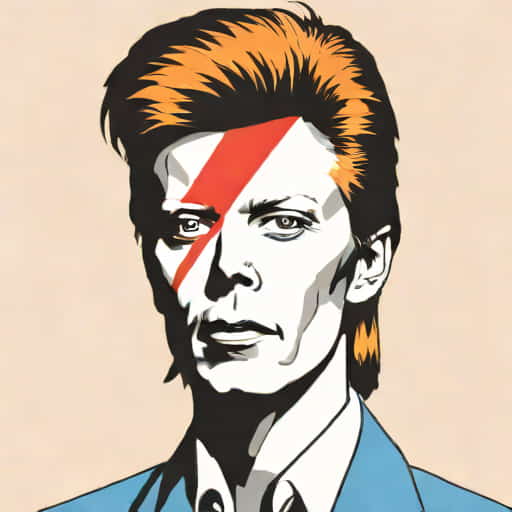
Moonage Daydream by David Bowie is one of the most iconic songs in the artist’s expansive catalog, representing his innovative approach to glam rock, theatrical storytelling, and musical experimentation. Featured on the 1972 albumThe Rise and Fall of Ziggy Stardust and the Spiders from Mars, the song exemplifies Bowie’s ability to blend narrative, character creation, and sonic experimentation. Moonage Daydream not only showcases Bowie’s signature vocal style and lyrical creativity but also captures the essence of his alter ego, Ziggy Stardust. Over the decades, it has remained a fan favorite and a pivotal track that highlights the transformative period of Bowie’s career, solidifying his legacy as a pioneering figure in music and pop culture.
Background and Creation
Moonage Daydream was recorded in 1971 during sessions for Bowie’s concept album about the rise and fall of the fictional rock star Ziggy Stardust. The song was co-produced by Bowie and Ken Scott, featuring Bowie’s backing band, the Spiders from Mars. The track was carefully crafted to blend glam rock energy with futuristic and cosmic themes, reflecting Bowie’s fascination with space, science fiction, and theatrical performance. The lyrics, imagery, and musical arrangement work together to create a sense of otherworldly allure, establishing Ziggy as a character who transcends ordinary human experience.
Inspiration and Themes
- Exploration of space and cosmic imagery
- Theatrical and glam rock aesthetics
- Identity, transformation, and alienation
- The rise and fall of the rock star archetype
The song’s lyrics blend romantic, cosmic, and rebellious imagery, creating a narrative that is both fantastical and deeply reflective of Bowie’s artistic vision during this period.
Musical Composition
Moonage Daydream is characterized by its dynamic musical structure, combining powerful guitar riffs, intricate bass lines, and layered keyboards. Mick Ronson’s guitar work provides a sharp, energetic edge, while the rhythm section maintains a driving pulse that underscores the song’s theatrical momentum. Bowie’s vocal delivery ranges from soft and haunting to bold and declarative, mirroring the song’s narrative arc and emotional intensity. The composition demonstrates Bowie’s ability to merge rock, glam, and experimental elements seamlessly, creating a track that is both complex and accessible.
Song Structure
- Intro with dramatic guitar and atmospheric sounds
- Verse with Bowie’s distinctive vocal stylings
- Chorus emphasizing cosmic and romantic imagery
- Bridge featuring instrumental variation and dynamic shifts
- Finale with climactic guitar and vocal layering
The combination of these elements gives Moonage Daydream a timeless quality, ensuring its relevance across generations of listeners.
Lyrical Analysis
The lyrics of Moonage Daydream explore themes of transformation, desire, and cosmic identity. Bowie’s poetic language creates a vivid narrative in which Ziggy Stardust presents himself as both otherworldly and alluring. Lines about rockets, stardust, and interstellar travel serve as metaphors for personal freedom, artistic innovation, and the exploration of identity beyond societal norms. The song’s lyrics also reflect the glam rock era’s fascination with performance, spectacle, and the blurring of reality and fantasy.
Key Lyrical Themes
- Self-identity and the creation of alter egos
- Freedom and escapism through cosmic imagery
- Romantic and sensual undertones
- Artistic reinvention and theatrical performance
Performance and Legacy
Moonage Daydream became a staple of Bowie’s live performances, particularly during the Ziggy Stardust tour. Its energetic instrumentation, theatrical flair, and lyrical storytelling made it a favorite among fans. Bowie’s stage presence and visual artistry enhanced the song’s impact, combining music with performance art. Over time, Moonage Daydream has been covered by numerous artists and featured in documentaries, films, and tributes, cementing its status as one of Bowie’s most enduring works.
Live Performances
- Featured prominently during the Ziggy Stardust tour (1972-1973)
- Extended arrangements and improvisation during concerts
- Use of costumes and theatrical elements to enhance storytelling
- Inspiration for future Bowie stage personas and performances
Influence on Pop Culture
Moonage Daydream has influenced generations of musicians, filmmakers, and visual artists. Its blend of glam rock energy, narrative depth, and cosmic imagery inspired artists across genres to experiment with concept albums, theatrical performance, and character-driven storytelling. The song also contributed to Bowie’s reputation as a boundary-pushing artist who redefined rock music and performance art. In popular culture, it continues to serve as a reference point for creativity, innovation, and the fusion of music and visual spectacle.
Impact Highlights
- Inspired glam rock and art rock movements
- Influenced visual and performance-based storytelling in music
- Appeared in films, documentaries, and tribute albums
- Continues to resonate with fans of Bowie and contemporary music
Critical Reception
Upon release, Moonage Daydream received acclaim from music critics for its bold instrumentation, imaginative lyrics, and theatrical energy. Critics praised Bowie’s ability to create a compelling character and narrative within a rock framework. Retrospective reviews often highlight the song as a high point of the Ziggy Stardust album, noting its innovative composition and lasting influence on rock music. Its critical success reflects Bowie’s unique talent for blending musical sophistication with accessible storytelling, creating a track that remains compelling decades after its release.
Review Highlights
- Recognized for inventive glam rock sound
- Praised for lyrical creativity and cosmic themes
- Celebrated for dynamic instrumentation and vocal delivery
- Acknowledged as a defining moment in Bowie’s career
Moonage Daydream by David Bowie stands as a testament to the artist’s visionary approach to music, performance, and storytelling. From its intricate composition and cosmic lyrics to its theatrical live performances, the song captures the essence of Bowie’s Ziggy Stardust persona and the glam rock era. Its influence on music, pop culture, and artistic expression continues to inspire new generations of listeners and performers. By combining narrative depth, musical innovation, and visual flair, Moonage Daydream remains an enduring classic that exemplifies Bowie’s genius and his ability to transform rock music into an immersive, theatrical experience. The song’s legacy underscores the importance of creativity, identity, and imagination in music, making it a defining track in David Bowie’s unparalleled career.