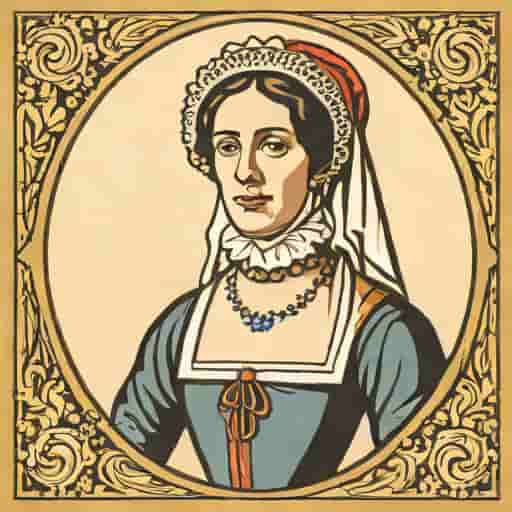
Mary Somerset, Duchess of Beaufort, is often remembered for her remarkable contributions to botany, but her life also reflects the values of physical activity, outdoor engagement, and an aristocratic sporting culture that shaped elite women in early modern Britain. When discussing Mary Somerset, Duchess of Beaufort as a sportswoman, it is important to understand sport in its historical context. For women of her status, sport was not organized competition as it is today, but rather a lifestyle centered on riding, walking, estate management, and physical resilience tied to land, nature, and social responsibility.
The Historical Context of Sport for Aristocratic Women
In the 17th and early 18th centuries, sport was deeply connected to class and gender. For aristocratic women, physical activity was encouraged as a means of maintaining health, grace, and readiness for social life. Activities such as horse riding, hunting participation, long walks through estates, and garden supervision were considered appropriate and even admirable.
Mary Somerset, Duchess of Beaufort, lived within this framework, where being physically capable and active was part of noble identity.
Early Life and Foundations of an Active Lifestyle
Born in 1630, Mary Somerset was raised in an environment that valued education, discipline, and physical well-being. As a young noblewoman, she would have been trained in riding and outdoor movement from an early age.
Horse riding in particular was not only a form of transport but also a skill that required strength, balance, and confidence. These qualities were essential for women managing large estates and participating in court life.
Physical Expectations of Noblewomen
Women of Mary Somerset’s rank were expected to appear composed and energetic. Physical weakness was often associated with poor management or lack of discipline.
- Horse riding for travel and leisure
- Walking across large estates
- Outdoor social gatherings
Mary Somerset as an Outdoorswoman
Although not a sportswoman in the modern competitive sense, Mary Somerset embodied the ideal of an active aristocratic woman. Her passion for gardens and plants required constant outdoor work, observation, and movement.
Maintaining extensive gardens demanded stamina, patience, and physical presence, especially at a time when gardening involved manual labor and long hours outside.
Gardening as Physical Discipline
Botanical study in Mary Somerset’s era was not confined to desks or libraries. It involved walking, bending, lifting, and working in all weather conditions.
This made her daily routine physically demanding and closely aligned with what we might now recognize as an active lifestyle.
Estate Life and Physical Responsibility
As Duchess of Beaufort, Mary Somerset was responsible for overseeing vast estates. This role required her to move frequently across her lands, supervise workers, and engage with the physical environment.
Estate management was not a passive role. It involved inspection, travel, and hands-on involvement that demanded physical endurance.
Horse Riding and Noble Sport
Horse riding was one of the most important physical activities for noblewomen. It allowed them to travel independently and participate in hunting culture, even if they did not hunt directly.
Mary Somerset would have been an experienced rider, comfortable navigating countryside terrain.
The Social Importance of Riding
Riding was also a social activity. It allowed noblewomen to join group outings, maintain visibility, and demonstrate confidence.
In this sense, riding functioned both as sport and social performance.
Health, Longevity, and Physical Activity
Mary Somerset lived to the age of 82, an impressive lifespan for her time. While many factors influenced longevity, an active lifestyle likely played a role.
Regular movement, outdoor exposure, and engagement with nature supported physical and mental health.
Activity as Preventive Care
In an era without modern medicine, physical activity was one of the few available methods for maintaining health.
Mary Somerset’s consistent engagement with the outdoors likely contributed to her resilience.
Women, Sport, and Social Limitations
Despite her active life, Mary Somerset lived in a society that limited women’s participation in formal sport. Competitive events were largely reserved for men.
However, women expressed athleticism through socially accepted channels such as riding, walking, and managing estates.
Mary Somerset’s Mental Discipline and Physical Balance
Physical activity in Mary Somerset’s life was closely tied to mental discipline. Her botanical work required focus, patience, and observational skill.
This balance between mind and body reflects a holistic approach to well-being.
Connection Between Movement and Thought
Long walks and outdoor work often supported reflection and study. Many of her botanical observations were likely made while moving through gardens.
This integration of physical movement and intellectual work was central to her daily routine.
Comparing Historical and Modern Sportswomen
When comparing Mary Somerset, Duchess of Beaufort as a sportswoman to modern athletes, it is important to adjust expectations. She did not compete in organized sports, but she lived an active, physically engaged life.
Modern sportswomen benefit from opportunities created by generations of women who demonstrated physical capability in restricted environments.
Legacy of Physical Independence
Mary Somerset’s independence was supported by her physical confidence. Being able to move freely across her estates and gardens allowed her to pursue her interests without reliance on others.
This independence was itself a form of empowerment.
Influence on Perceptions of Women’s Capability
As a respected noblewoman and intellectual figure, Mary Somerset challenged assumptions about women’s limitations. Her active lifestyle reinforced the idea that women could be physically and mentally strong.
This quiet challenge to norms laid groundwork for future generations.
Sport, Nature, and Identity
For Mary Somerset, physical activity was inseparable from nature. Her identity as a botanist and landowner was expressed through constant interaction with the natural world.
This connection reflects an early understanding of the benefits of outdoor activity.
Why Mary Somerset Can Be Considered a Sportswoman
While she may not fit modern definitions, Mary Somerset qualifies as a sportswoman through her commitment to physical activity, endurance, and outdoor life.
Her daily routines required strength, mobility, and resilience.
Mary Somerset, Duchess of Beaufort, represents an important example of how women engaged with physical activity before modern sport existed. As a sportswoman in her historical context, she embodied movement, strength, and endurance through riding, estate management, and botanical work.
Her life shows that sport is not only about competition but also about sustained physical engagement with the world. By recognizing Mary Somerset’s active lifestyle, we gain a deeper appreciation of women’s physical history and the foundations of modern female athleticism.
1/2