The story of the Declaration of Independence is one of ideas, courage, and careful writing. When people ask about the main writer of the Declaration of Independence, they are often curious about who shaped the powerful words that announced the American colonies’ break from British rule. This historic document did more than declare political separation; it expressed a philosophy of freedom and human rights that continues to influence the world today. Understanding the role of its primary author helps explain why the Declaration remains such a lasting symbol of democracy.
The Historical Context of the Declaration
In the mid-18th century, the American colonies were experiencing growing tension with Great Britain. Disagreements over taxation, representation, and governance had created widespread frustration. Colonists felt their rights as English subjects were being ignored, and calls for independence became louder.
By 1776, the Second Continental Congress recognized that a formal declaration was necessary. Such a document needed to explain the colonies’ reasons for separating from Britain, justify the decision to the world, and unite the colonies behind a shared cause.
Who Was the Main Writer of the Declaration of Independence?
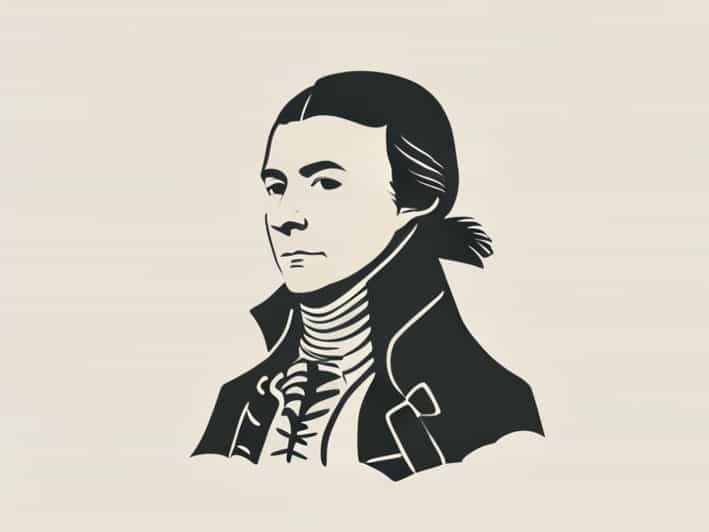
Thomas Jefferson is widely recognized as the main writer of the Declaration of Independence. At the time, Jefferson was a young delegate from Virginia, known for his intelligence, eloquent writing style, and deep understanding of political philosophy.
Although he was not the oldest or most experienced member of Congress, Jefferson’s reputation as a skilled writer made him a natural choice for drafting such an important document.
Why Thomas Jefferson Was Chosen
The responsibility of writing the Declaration did not fall on Jefferson by chance. Several factors contributed to his selection as the main writer of the Declaration of Independence.
Key Reasons for His Selection
- His ability to write clearly and persuasively
- His familiarity with Enlightenment ideas
- His political credibility as a colonial leader
- His relative youth, which allowed him to focus on writing
Other prominent figures, such as John Adams and Benjamin Franklin, supported Jefferson’s role, believing his writing skills were especially strong.
The Committee of Five
Although Jefferson was the main writer, he did not work entirely alone. The Continental Congress appointed a small group known as the Committee of Five to oversee the creation of the document.
This committee included Thomas Jefferson, John Adams, Benjamin Franklin, Roger Sherman, and Robert R. Livingston. Jefferson took the lead in drafting, while the others reviewed and suggested changes.
Jefferson’s Writing Process
Jefferson worked on the first draft over a short but intense period. He drew inspiration from earlier political documents, colonial grievances, and Enlightenment thinkers who emphasized natural rights and the social contract.
His draft combined philosophical arguments with specific complaints against King George III. This structure allowed the Declaration to explain both why independence was justified and how British actions had violated colonial rights.
Influence of Enlightenment Ideas
The ideas expressed in the Declaration reflect Enlightenment philosophy, which emphasized reason, liberty, and individual rights. Thinkers such as John Locke argued that governments exist to protect life, liberty, and property.
Jefferson adapted these ideas into language that would resonate with a broad audience. His phrasing of natural rights became one of the most famous passages in the document.
Editing and Revisions by Congress
After Jefferson completed the draft, the Declaration underwent review by the Committee of Five and the full Continental Congress. Several changes were made, including the removal of certain passages.
One notable deletion involved criticism of the slave trade, which was considered too controversial at the time. These edits reflected political compromise rather than disagreement with Jefferson’s overall message.
The Final Approval of the Document
On July 4, 1776, the Continental Congress officially adopted the Declaration of Independence. While Jefferson was the main writer, the document became a collective statement representing the united colonies.
The approval marked a turning point in American history, transforming a political dispute into a revolutionary movement.
Jefferson’s Feelings About the Declaration
Despite the document’s later fame, Jefferson viewed the Declaration primarily as a formal explanation rather than a personal masterpiece. He believed it reflected common ideas already circulating among colonists.
Over time, however, Jefferson came to recognize the Declaration’s significance and its role in shaping national identity.
The Legacy of the Main Writer
Being the main writer of the Declaration of Independence became one of Thomas Jefferson’s most enduring achievements. Even late in his life, he listed authorship of the Declaration among the accomplishments he wished to be remembered for.
The document’s influence extended far beyond the American Revolution, inspiring movements for independence and human rights around the world.
Why Jefferson’s Words Still Matter
The language Jefferson used continues to be quoted, studied, and debated. Phrases about equality and unalienable rights have become central to discussions about freedom and justice.
Although the realities of American history did not always match the ideals expressed in the Declaration, the document provided a moral framework for future reform.
Misconceptions About Authorship
Some people mistakenly believe the Declaration was written entirely by a group or that Benjamin Franklin was the primary author. While Franklin contributed valuable edits, Jefferson’s role as the main writer of the Declaration of Independence is well documented.
Recognizing Jefferson’s leadership in drafting the text helps clarify how the document came into being.
The Declaration as a Collaborative Effort
Even though Jefferson was the main writer, the Declaration should be understood as a collaborative achievement. The ideas represented shared colonial grievances and collective aspirations.
This collaboration strengthened the document’s legitimacy and ensured broad support among the colonies.
Impact on Jefferson’s Career
Jefferson’s authorship elevated his national reputation. It helped pave the way for his later roles as governor of Virginia, Secretary of State, Vice President, and eventually President.
His ability to articulate political ideals clearly became a defining feature of his public life.
Thomas Jefferson is rightly recognized as the main writer of the Declaration of Independence, a document that changed the course of history. His skillful writing captured the spirit of a revolutionary moment and transformed complex ideas into powerful, lasting words.
While the Declaration was shaped by collaboration and compromise, Jefferson’s role as its principal author remains central to its legacy. The document continues to remind people around the world of the enduring importance of liberty, equality, and self-government.