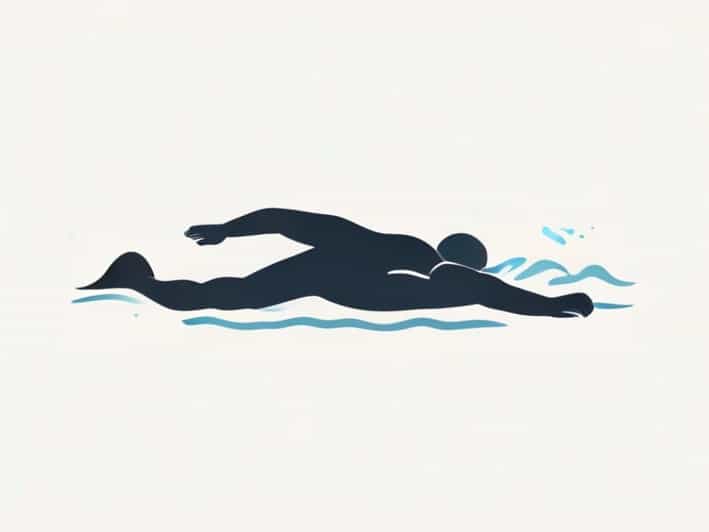
Swimming is a versatile and essential skill that can serve both recreational and survival purposes. Among the many swimming techniques, the sidestroke is often overlooked but proves to be exceptionally effective for long-distance swimming. Unlike freestyle or butterfly strokes, which require high energy expenditure, sidestroke allows swimmers to move efficiently while conserving energy. Understanding why sidestroke is good for long-distance swimming involves examining its mechanics, energy efficiency, safety benefits, and suitability for endurance-focused aquatic activities.
Understanding the Sidestroke
The sidestroke is a swimming technique in which the swimmer lies on one side in the water, performing a scissor kick with the legs and using the arms alternately to pull water. This stroke emphasizes streamlined movement and minimal resistance, making it ideal for extended periods in the water. Swimmers typically breathe continuously on the upward-facing side, which reduces fatigue and maintains oxygen flow.
Historical Use and Popularity
The sidestroke has been used historically for rescue swimming and military purposes. Lifeguards and water rescue professionals often favor this stroke because it allows for efficient towing of victims. While not as commonly used in competitive swimming today, its practicality in real-life and survival situations remains unmatched.
Energy Efficiency and Endurance
One of the primary reasons sidestroke is good for long-distance swimming is its energy efficiency. Unlike strokes such as butterfly or freestyle, which require continuous high-intensity movement, sidestroke allows the swimmer to conserve energy over long distances. The alternating arm and scissor kick motions reduce muscle strain and distribute effort evenly across major muscle groups.
Reduced Muscle Fatigue
Because the body remains in a lateral position, the sidestroke reduces pressure on the shoulders and lower back. This helps prevent early fatigue, allowing swimmers to maintain a consistent pace for longer periods. The stroke’s relaxed breathing rhythm further supports endurance, ensuring sufficient oxygen supply to muscles during prolonged swimming.
Breathing Advantages
Unlike strokes that require timing with every stroke to inhale, sidestroke allows for continuous breathing on the upward-facing side. This feature is particularly valuable during long-distance swimming, as it reduces the likelihood of fatigue caused by disrupted oxygen intake. Swimmers can maintain a steady and controlled breathing rhythm, which enhances stamina and overall performance.
Safety Benefits
Sidestroke is often preferred in open water or survival swimming due to its safety benefits. The lateral position keeps the swimmer’s face out of the water, allowing them to monitor their surroundings continuously. This is crucial for spotting obstacles, currents, or other swimmers in open water environments.
Use in Water Rescue
The sidestroke is the stroke of choice for rescuers because it allows for towing a victim while swimming. By using one arm to support the person being rescued and the other for propulsion, the rescuer can maintain a steady pace without exhausting themselves quickly.
Technique and Mechanics
Understanding proper sidestroke technique is essential for maximizing efficiency and reducing energy consumption. The stroke involves three main components body position, arm movement, and leg movement.
Body Position
The swimmer lies on one side with the head above water. The top arm extends forward for support and propulsion, while the bottom arm remains close to the body, providing stability. Maintaining a straight and streamlined body reduces water resistance.
Arm Movement
The arms alternate in a sculling motion. The top arm pulls water backward to propel the swimmer forward, while the bottom arm helps maintain balance and reduces lateral movement. This coordinated arm movement contributes to smooth and continuous forward motion.
Leg Movement
The scissor kick is central to the sidestroke. The legs separate in a wide, sweeping motion and then snap together to generate propulsion. This kick is less tiring than the flutter kick used in freestyle, which is why it is particularly suitable for long-distance swimming.
Comparison with Other Strokes
While freestyle and breaststroke are popular for speed and racing, sidestroke stands out for endurance swimming. Freestyle requires rapid, high-energy movement and precise breathing coordination, which can be exhausting over long distances. Breaststroke, although slower, often causes greater muscle fatigue due to continuous knee and arm movement. Sidestroke combines a slower, more controlled pace with reduced energy expenditure, making it the preferred choice for long swims.
When to Use Sidestroke
- Open water swimming for extended periods
- Survival swimming in lakes, rivers, or oceans
- Rescue situations requiring towing or assistance
- Recreational swimming focused on endurance rather than speed
- Swimming while carrying gear or flotation devices
Training Tips for Long-Distance Sidestroke
To master sidestroke for long-distance swimming, consistent practice and attention to technique are crucial. Swimmers should focus on body alignment, smooth arm coordination, and efficient scissor kicks. Interval training and endurance sets can help build stamina, while practicing in open water conditions prepares the swimmer for real-life scenarios.
Core and Leg Strength
Strong core and leg muscles are essential for maintaining stability and propulsion in sidestroke. Exercises such as planks, leg raises, and flutter kicks can improve strength and support efficient movement in the water.
Breathing Practice
Regular breathing practice ensures that the swimmer can maintain a consistent rhythm during long distances. Practicing controlled inhalation and exhalation while keeping the face above water helps increase endurance.
Psychological Advantages
Swimming long distances requires mental resilience. The sidestroke’s relaxed rhythm and ability to keep the face above water reduce anxiety and stress during prolonged swims. Swimmers can remain calm and focused, which contributes to better overall performance and safety.
Environmental Considerations
Sidestroke is well-suited for varying water conditions. In calm pools, it provides steady, energy-efficient movement. In rivers, lakes, or ocean currents, the stroke allows swimmers to maintain control and conserve energy for navigating obstacles or changing conditions.
Key Benefits of Sidestroke for Long-Distance Swimming
- Energy-efficient, conserving stamina for extended swims
- Reduces muscle fatigue, especially in shoulders and lower back
- Allows continuous, relaxed breathing
- Enhances safety by keeping the face above water
- Supports open water navigation and rescue scenarios
- Balances propulsion and stability through coordinated arm and leg movement
Sidestroke is a highly effective technique for long-distance swimming due to its energy efficiency, reduced muscle fatigue, and safety advantages. By using a scissor kick, alternating arm movement, and a lateral body position, swimmers can conserve energy and maintain a steady pace for extended periods. Whether for endurance training, open water swimming, or survival situations, sidestroke provides a reliable and practical approach. Swimmers who incorporate sidestroke into their repertoire can enjoy longer swims with greater efficiency and reduced physical strain, making it a valuable skill for both recreational and professional aquatic activities.