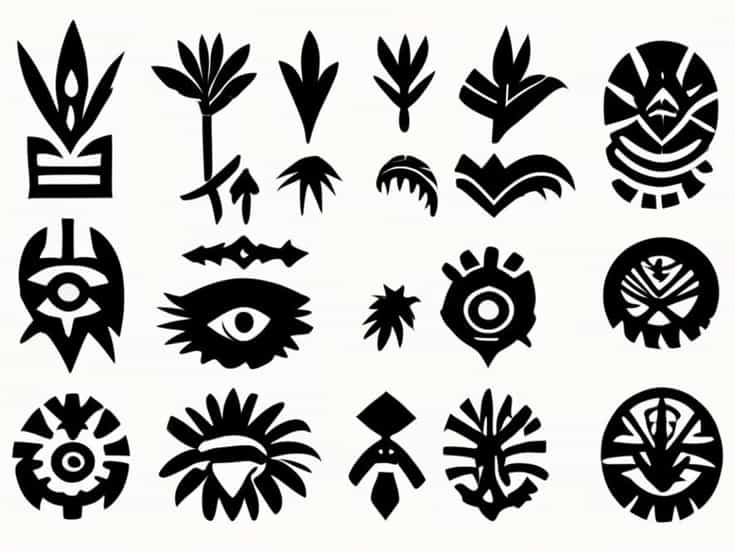
Tribal arts represent a rich and diverse aspect of human creativity that reflects the cultural identity, traditions, and social values of indigenous communities. These art forms have evolved over centuries and are deeply connected to the daily lives, rituals, and beliefs of the tribes that produce them. Unlike mainstream or classical art, tribal arts often prioritize symbolism, functionality, and spirituality over purely aesthetic concerns. By examining the distinctive features of tribal arts, one can gain insight into the history, philosophy, and worldview of the communities that create them. These features are not only visual or material but also conceptual, reflecting a strong link between art, society, and the natural environment.
Use of Natural Materials
One of the most distinctive features of tribal arts is the extensive use of natural materials. Artists often utilize locally available resources such as wood, clay, stone, fibers, leaves, shells, and natural dyes. These materials are selected not only for their availability but also for their symbolic significance and connection to the environment. For instance, wood may be carved into masks or figurines, clay may be molded into ritualistic objects, and natural pigments may be used for painting on walls, fabrics, or the human body. The use of natural materials gives tribal art an organic and earthy quality, reflecting the close relationship between tribal communities and nature.
Symbolism and Spiritual Significance
Tribal arts are highly symbolic, often carrying deep spiritual and cultural meanings. Objects are created not just for decoration but as a medium to convey stories, beliefs, and social values. Many tribal paintings, sculptures, and masks represent deities, spirits, ancestors, or animals considered sacred. Symbolism in tribal arts may also express themes like fertility, protection, victory in hunting, or life cycles. Understanding the symbolic language of tribal art is crucial, as each motif, color, or pattern can have a specific cultural significance that communicates messages about tribal identity and worldview.
Functional and Ritualistic Purposes
Unlike conventional art, which may primarily serve aesthetic purposes, tribal art is often functional and closely tied to rituals and ceremonies. Many artifacts are created for religious, social, or utilitarian functions. For example, masks are used in ceremonies to invoke spirits or ancestors, pottery may serve both practical and ceremonial purposes, and textile patterns can indicate social status or tribal affiliation. The functionality of tribal art emphasizes the integration of creativity into everyday life and the collective cultural practices of the tribe.
Distinctive Techniques and Styles
Tribal artists employ unique techniques and styles that are specific to their community or region. These techniques are usually passed down orally or through apprenticeships and may include wood carving, weaving, beadwork, body painting, pottery making, and metalwork. The distinct styles can often be identified by the patterns, motifs, and forms used in the artwork. For instance, geometric patterns may dominate one tribe’s textiles, while another may favor animal figures or mythological representations in their carvings. These styles are not only artistic expressions but also markers of cultural identity and heritage.
Emphasis on Abstract Forms
Tribal art often employs abstract or stylized forms rather than realistic representations. Human and animal figures may be exaggerated, simplified, or distorted to convey symbolic meaning or spiritual significance. Abstract forms are frequently used in masks, sculptures, and ceremonial objects to represent supernatural forces, spiritual concepts, or ancestral beings. This abstraction allows the artist to transcend literal appearances and communicate deeper cultural or mystical ideas that might not be possible through realistic depiction alone.
Integration of Art and Nature
Tribal art is closely linked to the natural environment. Many motifs and forms are inspired by plants, animals, landscapes, or natural phenomena observed by the community. The art often reflects the tribe’s understanding of nature, ecological knowledge, and the interconnectedness of life. For example, tribal paintings may depict hunting scenes, fertility symbols, or celestial events. This integration of nature not only enriches the visual appeal of the artwork but also reinforces the tribe’s relationship with the environment and the spiritual world.
Oral Tradition and Storytelling
Storytelling is a key element in tribal arts. Many artistic expressions serve as a visual record of myths, legends, historical events, or moral lessons. Tribal paintings, carvings, and sculptures may narrate the life of ancestors, tribal heroes, or creation myths. This feature emphasizes the educational and historical function of art within the community. By observing or participating in the creation and use of tribal art, members of the tribe learn about their heritage, values, and traditions, ensuring the continuity of cultural knowledge across generations.
Community Participation
Tribal art is often a collective effort involving the participation of the community. Festivals, rituals, and ceremonies may require multiple members to contribute to the creation, decoration, or performance associated with art. This collaborative aspect reinforces social cohesion and cultural identity. Participation can range from helping create masks and costumes to performing dances or reciting chants. By engaging the entire community, tribal art becomes a living practice rather than a static object, reflecting the social structure and collective values of the tribe.
Distinctive Features of Tribal Arts in Summary
- Use of natural and locally sourced materials such as wood, clay, stone, fibers, and natural dyes.
- Strong symbolic and spiritual significance conveying beliefs, deities, spirits, and ancestral figures.
- Functional and ritualistic purposes, including ceremonial, social, and utilitarian roles.
- Unique techniques and distinctive styles specific to each tribe, passed through oral or practical traditions.
- Emphasis on abstract or stylized forms rather than realistic representation to communicate symbolic meaning.
- Integration with nature, reflecting ecological knowledge, animals, plants, and landscapes in motifs.
- Oral tradition and storytelling through visual representation of myths, history, and moral lessons.
- Community participation in creation, decoration, and performance, reinforcing social cohesion and shared cultural identity.
Tribal arts are more than simple objects of beauty; they are profound expressions of cultural identity, spirituality, and social organization. Their distinctive features, from the use of natural materials and abstract forms to storytelling, ritual significance, and community participation, highlight the deep connection between art and life within tribal societies. By studying these features, one can appreciate the richness of tribal creativity and the ways in which art preserves, communicates, and celebrates the heritage of indigenous communities. The unique qualities of tribal arts continue to influence modern artistic practices and remain a testament to humanity’s enduring creativity and cultural diversity.