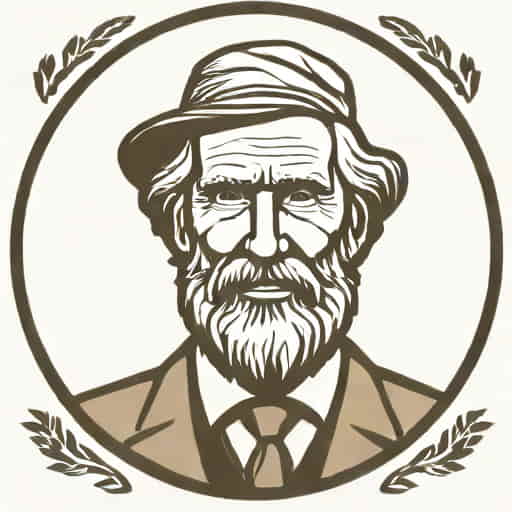
John Muir is widely recognized as one of the most influential figures in the history of American environmentalism, but there is often debate about whether he should be classified primarily as a conservationist or a preservationist. His writings, explorations, and advocacy helped shape the national consciousness regarding the value of wilderness and natural landscapes. Understanding Muir’s philosophy requires an examination of his life, his core beliefs, and the broader context of environmental movements in the United States during the late 19th and early 20th centuries. His legacy continues to influence debates over how we should manage and protect natural resources today.
Early Life and Inspirations
John Muir was born in 1838 in Dunbar, Scotland, and emigrated to the United States as a child. His early exposure to nature fostered a lifelong fascination with the natural world. Muir’s youth was filled with experiences that cultivated his curiosity, including walks in the forests and mountains near his home. This formative connection to the environment laid the foundation for his later work, in which he combined scientific observation with a deep sense of spiritual reverence for nature.
Education and Exploration
Muir pursued studies in various scientific disciplines, including botany and geology, which provided him with the tools to observe and understand natural ecosystems. However, it was his travels across the American wilderness-particularly his explorations in the Sierra Nevada-that solidified his perspective on the intrinsic value of unspoiled landscapes. Muir meticulously documented his experiences, producing essays and books that celebrated the beauty and spiritual significance of wilderness areas.
The Philosophy of Preservation
Muir is often labeled a preservationist because he championed the idea that certain natural areas should remain untouched by human development. He believed that wilderness had an intrinsic value that went beyond economic utility or resource extraction. According to Muir, preserving these areas was crucial for both ecological health and human well-being, offering a space for contemplation, inspiration, and spiritual renewal.
Founding of the Sierra Club
In 1892, Muir co-founded the Sierra Club, an organization dedicated to protecting natural areas and advocating for the establishment of national parks. The Sierra Club became a central platform for Muir’s preservationist ideals, promoting policies that aimed to keep wilderness areas free from industrial exploitation. Under his leadership, the Sierra Club played a key role in lobbying for the creation of Yosemite National Park and influencing other conservation initiatives.
Conservationist Perspectives
While Muir is most commonly associated with preservation, he also recognized the importance of conservation, though in a more nuanced way. Conservationists focus on the sustainable use of natural resources to benefit both humans and the environment. Muir’s writings indicate an awareness of the need for careful management of forests, rivers, and wildlife, suggesting that he did not entirely reject the principles of conservation. However, his priority was always the protection of wilderness for its own sake rather than for direct human benefit.
Conflict with Gifford Pinchot
One of the most famous debates highlighting the distinction between preservation and conservation involved Muir and Gifford Pinchot, the first chief of the United States Forest Service. Pinchot advocated for the scientific management of forests to ensure long-term economic and ecological benefits, emphasizing sustainable resource use. Muir, on the other hand, argued that areas like Yosemite and the Hetch Hetchy Valley should remain untouched. This philosophical disagreement underscored the fundamental difference between preservationist and conservationist approaches.
Muir’s Writings and Influence
John Muir’s essays, letters, and books continue to be influential in environmental circles. Works such as My First Summer in the Sierra provide detailed observations of the natural world and express his belief in the spiritual and aesthetic importance of wilderness. Through his writing, Muir inspired public support for the preservation of national parks and helped cultivate an American appreciation for unspoiled landscapes. His eloquent prose often framed nature as a sacred entity, deserving protection regardless of its economic potential.
Impact on National Parks
Muir’s advocacy was instrumental in the establishment and expansion of several national parks, including Yosemite, Sequoia, and Mount Rainier. His efforts helped institutionalize the idea that certain natural areas should be preserved for public enjoyment and ecological protection. These contributions solidify his legacy as a key figure in the preservation movement, while also demonstrating his nuanced understanding of how society could engage with nature responsibly.
Preservation vs. Conservation Understanding the Difference
To determine whether John Muir should be considered a conservationist or preservationist, it is essential to understand the distinction between these approaches. Preservation focuses on maintaining natural areas in their untouched state, prioritizing ecological integrity and spiritual value. Conservation emphasizes the sustainable use of resources, aiming to balance human needs with environmental protection. Muir’s philosophy aligns more closely with preservation, given his insistence on protecting wilderness from development and exploitation.
Key Principles of Muir’s Philosophy
- Wilderness has intrinsic value independent of human use.
- Natural areas provide spiritual and psychological benefits.
- Some landscapes should remain untouched by industry or agriculture.
- Environmental education and public awareness are critical for protection.
- Preservation contributes to long-term ecological health.
Legacy and Modern Relevance
John Muir’s ideas continue to influence contemporary environmental policy and philosophy. Organizations like the Sierra Club remain active in advocating for both preservation and responsible land management. Modern debates about climate change, biodiversity loss, and sustainable development often reflect the tension between preservationist and conservationist approaches, echoing the debates Muir engaged in over a century ago. His emphasis on valuing nature for its own sake resonates with ongoing efforts to protect ecosystems from overdevelopment and environmental degradation.
Educational Influence
Muir’s writings are frequently used in environmental education to teach students about the importance of protecting natural landscapes. His eloquence in describing the beauty and significance of the wilderness helps foster appreciation and ethical responsibility toward the environment. By inspiring future generations, Muir’s preservationist ideals continue to shape attitudes toward conservation and ecological stewardship.
John Muir is best understood as a preservationist, although he demonstrated an awareness of conservation principles. His life, writings, and advocacy emphasized the intrinsic value of wilderness and the importance of protecting natural areas from industrial and commercial exploitation. While he acknowledged the need for responsible management of resources, his primary focus was on preserving landscapes for their ecological, spiritual, and aesthetic value. Muir’s legacy continues to inspire environmentalists, policymakers, and the general public to value and protect natural spaces, highlighting the enduring importance of preservation in the broader context of environmental stewardship.