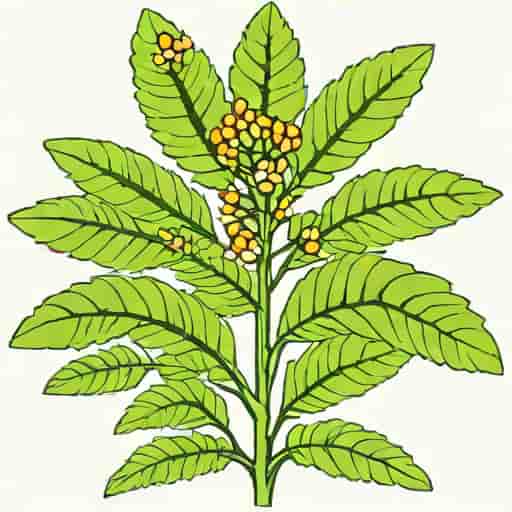
Hirudin is a well-known natural anticoagulant that has attracted scientific interest for decades due to its powerful ability to inhibit blood clotting. Originally discovered in the saliva of medicinal leeches, hirudin was once difficult and expensive to obtain in large quantities. Advances in biotechnology have changed this situation dramatically. One of the most interesting developments is that hirudin is obtained from the transgenic plant, a method that combines genetic engineering with agriculture to produce valuable therapeutic proteins in a sustainable and scalable way.
What Is Hirudin?
Hirudin is a small protein that works as a highly specific inhibitor of thrombin, an enzyme that plays a central role in blood coagulation. By blocking thrombin, hirudin prevents the formation of blood clots. This makes it useful in medical contexts where excessive clotting is dangerous, such as during certain surgeries or in patients with clotting disorders.
Unlike some other anticoagulants, hirudin binds directly to thrombin and does not rely on other factors in the blood. This direct action gives it predictable effects, which is one reason it has been studied so extensively.
Traditional Sources of Hirudin
Historically, hirudin was extracted from medicinal leeches. While this method provided the original source of the protein, it had many limitations. Harvesting hirudin from leeches was labor-intensive, costly, and not suitable for large-scale pharmaceutical production.
Later, recombinant DNA technology made it possible to produce hirudin using microorganisms such as bacteria and yeast. While these systems improved production efficiency, they also introduced challenges related to protein folding, purification, and production costs.
The Concept of Transgenic Plants
A transgenic plant is a plant that has been genetically modified to contain a gene from another organism. This foreign gene enables the plant to produce a specific protein that it would not naturally make. In the case of hirudin, scientists insert the gene responsible for hirudin production into the plant’s genetic material.
Once the gene is successfully integrated and expressed, the plant becomes a living factory capable of producing hirudin in its tissues. This approach is sometimes referred to as molecular farming or plant-based biopharmaceutical production.
How Hirudin Is Obtained from the Transgenic Plant
Gene Isolation and Insertion
The process begins with isolating the hirudin gene, which carries the instructions for producing the hirudin protein. This gene is then inserted into a plant expression system, often using natural gene transfer methods such as Agrobacterium-mediated transformation.
Plant Cultivation
Once the plant has been genetically modified, it is grown under controlled conditions. The transgenic plant uses its normal cellular machinery to produce hirudin as it grows. Depending on the design, the protein may accumulate in leaves, seeds, or other plant tissues.
Protein Extraction and Purification
After harvesting the plant material, hirudin is extracted and purified. This step ensures that the final product meets safety and quality standards required for medical or research use. Advances in purification techniques have made this process increasingly efficient.
Why Use Transgenic Plants to Produce Hirudin?
Producing hirudin from transgenic plants offers several important advantages compared to traditional methods.
- Lower production costs compared to animal or microbial systems
- Scalability through conventional farming techniques
- Reduced risk of contamination with human pathogens
- Environmentally friendly production process
These benefits make plant-based production particularly attractive for meeting global demand for therapeutic proteins.
Common Plants Used in Hirudin Production
Several plant species have been explored as platforms for producing hirudin. Tobacco is one of the most commonly used because it grows quickly, produces large amounts of biomass, and is not part of the human food chain. Other plants, including rice and lettuce, have also been studied.
The choice of plant depends on factors such as growth rate, protein yield, ease of genetic modification, and downstream processing requirements.
Medical Applications of Plant-Derived Hirudin
Hirudin obtained from transgenic plants has the same biological activity as hirudin from natural or microbial sources. It can be used in research, diagnostic applications, and potentially in therapeutic products.
Its anticoagulant properties make it valuable in situations where traditional blood thinners may not be suitable. Ongoing research continues to evaluate the safety, effectiveness, and regulatory pathways for plant-derived hirudin in clinical use.
Safety and Regulatory Considerations
The use of transgenic plants for pharmaceutical production raises important safety and regulatory questions. Strict controls are required to prevent unintended environmental release and to ensure that the produced protein is safe for human use.
Regulatory agencies evaluate plant-derived pharmaceuticals based on quality, purity, and consistency. With proper oversight, transgenic plant systems can meet the same standards as other production methods.
Ethical and Environmental Perspectives
Some people express concerns about genetically modified organisms, including transgenic plants. In the context of pharmaceutical production, these plants are typically grown in controlled environments, reducing environmental risks.
From an ethical standpoint, producing hirudin in plants can reduce reliance on animal sources and support more sustainable healthcare solutions. This aligns with broader efforts to make medicine more accessible and environmentally responsible.
Future Prospects of Plant-Based Hirudin Production
The idea that hirudin is obtained from the transgenic plant represents a broader trend in biotechnology. As genetic engineering techniques become more precise, plant-based systems are expected to produce a wider range of therapeutic proteins.
Future developments may focus on increasing protein yield, simplifying purification, and expanding clinical applications. With continued research and public acceptance, transgenic plants could play a major role in the future of medicine.
Hirudin’s journey from leech saliva to transgenic plants highlights the remarkable progress of modern biotechnology. By using genetically modified plants as production platforms, scientists have created a more sustainable and scalable way to obtain this important anticoagulant.
Understanding how hirudin is obtained from the transgenic plant helps demystify both the science behind genetic engineering and its practical benefits. As research advances, plant-derived hirudin stands as a clear example of how biology and technology can work together to address medical needs in innovative ways.