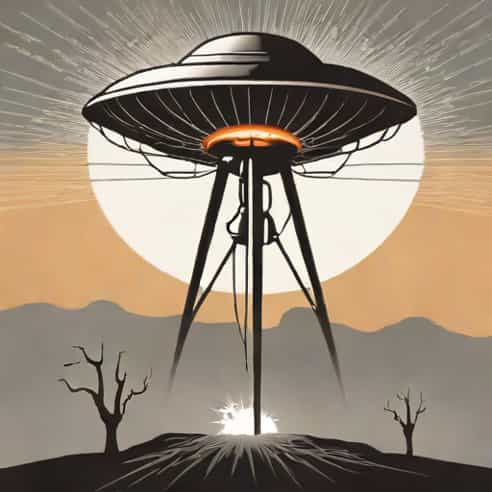
Jeff Wayne’sWar of the Worldsis a groundbreaking musical adaptation of H.G. Wells’ classic science fiction novel, first released as a concept album in 1978. Combining progressive rock, orchestral arrangements, and narration, Wayne’s work reimagined the story of a Martian invasion of Earth for a modern audience, creating an immersive and dramatic experience. Unlike typical albums of its time,War of the Worldswas conceived as a narrative journey, blending music, storytelling, and innovative sound design to bring the terror and excitement of Wells’ story to life. Its release marked a significant moment in music history, demonstrating how literature and music could merge into a cohesive artistic expression that transcends traditional genre boundaries.
The Origins of Jeff Wayne’s Adaptation
Jeff Wayne, an English composer and producer, became fascinated with H.G. Wells’ 1898 novel from an early age. Recognizing the novel’s dramatic potential, Wayne envisioned a musical interpretation that would retain the suspense and scale of the story while introducing modern audiences to its imaginative world. Drawing on elements of progressive rock, classical orchestration, and electronic music, Wayne developed a concept album that not only narrated the story but also evoked the emotional and psychological intensity of an alien invasion. His innovative approach transformed Wells’ tale into a multi-sensory experience, captivating listeners with both narrative and musical sophistication.
The Concept and Structure of the Album
War of the Worldsis structured as a two-record concept album, presenting the story through a combination of narrated passages, vocal performances, and instrumental tracks. The album opens with a depiction of everyday life in England, gradually introducing the arrival of the Martians and their destructive tripods. Key structural elements include
- NarrationRichard Burton’s iconic voice serves as the narrator, guiding listeners through the story and providing context for the unfolding events.
- Character VoicesVocal performances by artists such as Justin Hayward and Phil Lynott bring characters like the Journalist and the Artilleryman to life.
- OrchestrationThe album features a full orchestra, blending classical instruments with modern rock elements to create a cinematic soundscape.
- Progressive Rock InfluencesSynthesizers, electric guitars, and innovative studio effects give the album a contemporary edge while maintaining narrative depth.
This intricate combination of elements allows the album to function as both a musical experience and a storytelling medium, drawing listeners into the drama of the Martian invasion.
Innovations and Musical Style
One of the most remarkable aspects of Jeff Wayne’sWar of the Worldsis its innovative approach to music production. Wayne experimented with sound effects, electronic instrumentation, and orchestration techniques to create a sense of scale and tension that mirrored the story’s epic scope. Key musical innovations include
- Sound Effects IntegrationTripod movements, explosions, and alien weaponry were simulated through studio effects, enhancing immersion.
- Layered ArrangementsComplex layering of instruments and vocals creates a dynamic, cinematic atmosphere.
- Thematic MotifsRecurring musical themes represent characters, Martian machinery, and the emotional journey of the human protagonists.
- Fusion of GenresCombining rock, classical, electronic, and spoken word elements produced a unique, genre-defying sound.
This fusion of musical styles, narrative, and effects establishedWar of the Worldsas a pioneering example of concept albums and set a benchmark for ambitious musical storytelling.
Critical Reception and Legacy
Upon its release, Jeff Wayne’sWar of the Worldsreceived widespread critical acclaim for its originality, production quality, and narrative ambition. Critics praised the album for pushing the boundaries of concept albums and for the skillful blending of music and storytelling. Key aspects of its reception and legacy include
- Commercial SuccessThe album achieved significant sales, reaching audiences far beyond traditional progressive rock fans.
- Cultural ImpactIts innovative approach influenced later musical productions, including rock operas and theatrical adaptations.
- Live PerformancesJeff Wayne later produced live tours featuring elaborate stage design, actors, and multimedia presentations, bringing the story to life in a dramatic, immersive format.
- Re-releases and AdaptationsThe album has been remastered multiple times, and adaptations for video games, stage shows, and other media have extended its cultural reach.
The album’s enduring popularity underscores its importance as both a musical achievement and a cultural phenomenon, highlighting the potential for narrative-driven music to captivate audiences over decades.
Storytelling and Narrative Techniques
The power ofWar of the Worldslies not only in its music but also in its narrative approach. Jeff Wayne employed several techniques to immerse listeners in the story
- First-Person PerspectiveThe story is largely experienced through the eyes of the Journalist, creating intimacy and tension.
- Suspense and PacingMusical cues, tempo changes, and pauses in narration build suspense and emphasize dramatic moments.
- Emotional ResonanceThemes of fear, courage, and survival are conveyed through both vocal performances and instrumental choices.
- Symbolic MotifsRecurring musical themes symbolize Martian technology, human struggle, and hope, reinforcing narrative cohesion.
By integrating these narrative techniques with musical innovation, Wayne created a work that engages both the mind and the emotions of the listener.
Influence on Music and Popular Culture
Jeff Wayne’sWar of the Worldshas had a profound influence on both music and popular culture. Its success demonstrated the potential of concept albums and multi-media storytelling in music, inspiring countless artists to explore narrative-driven projects. Influence can be observed in
- Rock OperasLater rock operas and concept albums drew on Wayne’s methods of integrating narrative, character, and music.
- Theatrical AdaptationsStage productions and live tours expanded on Wayne’s vision, incorporating visual storytelling and immersive experiences.
- Multimedia IntegrationThe album’s fusion of music, narration, and sound effects influenced video game scores, audio dramas, and cinematic sound design.
- Generational ReachThe album continues to be discovered by new audiences, highlighting its timeless appeal and innovative nature.
Its influence demonstrates the album’s capacity to bridge literature, music, and theatrical performance in innovative ways.
Jeff Wayne’sWar of the Worldsstands as a monumental achievement in musical storytelling, combining narrative depth, innovative music, and immersive production to reimagine H.G. Wells’ classic tale for modern audiences. Its blend of orchestration, rock elements, sound effects, and compelling narration created a unique experience that has endured for decades. The album not only honors the original story but also expands its impact through music and performance, illustrating the power of creativity and imagination. Its lasting popularity, influence on subsequent artists, and continued relevance in popular culture underscore its status as a landmark work in the history of concept albums and narrative-driven music. Jeff Wayne’s vision transformed a literary classic into a musical masterpiece, demonstrating the enduring potential of art that transcends traditional boundaries and engages audiences on multiple sensory levels.