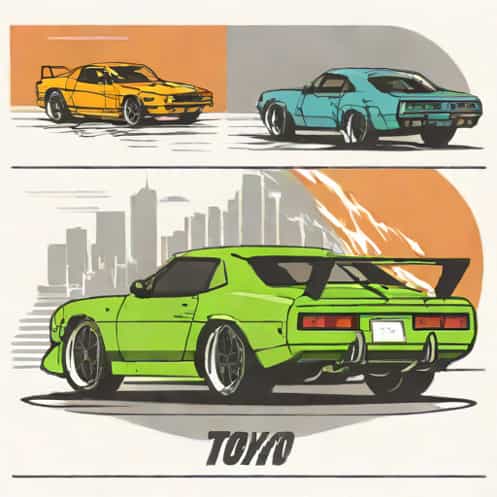
Fast and Furious Tokyo Drift is the third installment in the popular Fast and Furious franchise, released in 2006. The film takes the high-octane action and street racing drama of the previous installments to the vibrant and neon-lit streets of Tokyo, Japan. Unlike its predecessors, Tokyo Drift introduces viewers to a new protagonist, Sean Boswell, and immerses audiences in the underground world of drift racing. With its unique focus on the Japanese car culture and visually stunning drift sequences, the film stands out within the franchise for its cultural setting, innovative racing style, and character-driven storylines. Understanding the film’s plot, characters, and influence is essential for fans and newcomers alike.
Plot Overview
Fast and Furious Tokyo Drift follows the story of Sean Boswell, a high school student from the United States who finds himself in trouble with the law due to street racing. To avoid jail time, Sean is sent to live with his father in Tokyo. Struggling to adjust to the new environment, he becomes intrigued by the local drift racing scene, a unique style of racing that emphasizes controlled oversteering and precision driving rather than sheer speed. Sean’s journey introduces him to Takashi, also known as DK (Drift King), a skilled racer with connections to the Yakuza, as well as Han, a mentor figure who teaches Sean the art of drifting and the values of respect and discipline in racing.
Main Characters
- Sean BoswellThe film’s protagonist, a rebellious American teenager who learns to adapt to a foreign culture and master drift racing under Han’s guidance.
- Takashi DKThe antagonist and reigning drift champion, whose family connections to the Yakuza give him an edge in the underground racing world.
- HanSean’s mentor, a calm and experienced racer who embodies the philosophy and skill of drifting. His guidance is crucial for Sean’s development as a racer and as a person.
- NeelaA love interest and skilled racer herself, representing the competitive and passionate spirit of Tokyo’s drift community.
- TwinkieA comic-relief character who helps Sean navigate Tokyo’s racing culture and introduces him to key locations and social circles.
The Drift Racing Culture
One of the most distinctive aspects of Tokyo Drift is its deep dive into Japanese drift racing, a motorsport that emphasizes technical skill, precision, and style over raw speed. Drifting originated in Japan in the 1970s and has since become a global phenomenon. The film showcases elaborate drift sequences on Tokyo’s winding streets, mountain roads, and parking structures, highlighting the artistry and control required for the sport. Unlike conventional street racing depicted in earlier Fast and Furious films, drifting requires racers to maintain speed while intentionally sliding the car sideways through corners, demanding mastery of both car mechanics and driving techniques.
Car Selection and Customization
The vehicles in Tokyo Drift are carefully chosen to reflect the Japanese street racing scene. Popular models include Nissan Silvia, Mazda RX-7, Toyota Supra, and Mitsubishi Lancer Evolution. The film also emphasizes the customization culture, with cars modified for both performance and visual impact. Colorful body kits, spoilers, rims, and neon underglow lighting are prominently featured, creating a visual spectacle that celebrates car culture. The meticulous attention to detail in car modifications reinforces the authenticity of the racing environment and highlights the characters’ dedication and personal expression through their vehicles.
Cinematography and Action Sequences
Fast and Furious Tokyo Drift stands out for its dynamic cinematography and innovative portrayal of racing scenes. The film uses a combination of on-board cameras, high-speed tracking shots, and slow-motion sequences to immerse the audience in the thrill of drifting. The visual techniques effectively convey the intensity, danger, and excitement of the races, making viewers feel as if they are part of the action. In addition to the technical driving shots, the film incorporates Tokyo’s urban landscape, from bustling streets to neon-lit highways, providing a visually rich and culturally immersive backdrop for the story.
Soundtrack and Atmosphere
The soundtrack of Tokyo Drift is a vital component in creating the film’s energetic atmosphere. Featuring a mix of hip-hop, electronic, and Japanese pop tracks, the music complements the high-speed racing scenes and reinforces the cultural fusion present in the film. Songs such as Tokyo Drift by Teriyaki Boyz have become iconic, symbolizing the film’s unique identity within the franchise. The combination of music, cinematography, and sound effects enhances the overall experience, making the races feel intense and memorable for audiences.
Impact on the Fast and Furious Franchise
Although Tokyo Drift initially received mixed reviews, it has become a cult favorite and a significant installment in the Fast and Furious franchise. The film introduced new cultural elements, such as drift racing and Japanese street racing aesthetics, which broadened the franchise’s global appeal. It also set the stage for character crossovers in later films, particularly with the return of Han, who became a central figure in the franchise’s expanded storyline. Tokyo Drift’s unique setting and focus on drifting helped diversify the franchise, moving beyond traditional American street racing and offering international audiences a fresh perspective.
Legacy and Influence
Tokyo Drift has influenced both popular culture and the motorsport world. The film helped popularize drifting in the United States and inspired numerous car enthusiasts to explore Japanese car culture. Drift competitions and car customization communities grew in visibility, with the film serving as a cultural touchstone for fans of motorsports. Furthermore, the film’s stylistic approach to action and racing has influenced subsequent Fast and Furious films, emphasizing the importance of innovative cinematography and character-driven storytelling alongside high-speed thrills.
Criticisms and Praise
Critics of Tokyo Drift often point to its relatively weak character development and deviation from the franchise’s core cast as potential drawbacks. Some viewers initially found the storyline and dialogue less compelling compared to previous installments. However, the film has been praised for its unique approach, visual flair, and authentic representation of drift culture. Over time, many fans have come to appreciate Tokyo Drift for its bold departure from the series’ norms and its contribution to expanding the Fast and Furious universe.
Fast and Furious Tokyo Drift remains a distinctive entry in the Fast and Furious franchise, combining thrilling drift racing, immersive Japanese culture, and visually striking cinematography. By introducing new characters, exploring the art of drifting, and presenting Tokyo as a vibrant backdrop, the film offers a unique experience that stands apart from other installments. Its influence on car culture, motorsport popularity, and franchise storytelling cannot be understated. For fans of action, racing, and international culture, Tokyo Drift provides an exciting, high-energy adventure that continues to resonate more than a decade after its release.
Total word count ~1000