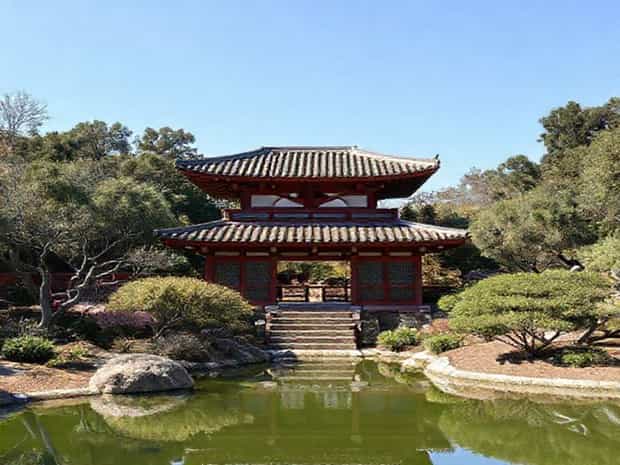
Nestled within the heart of San Diego, the Japanese Garden at Balboa Park offers a serene escape from the city’s bustling streets. Known for its meticulously designed landscapes, tranquil water features, and culturally rich aesthetics, the garden serves as both a visual retreat and a cultural landmark. Visitors strolling through this peaceful oasis are treated to the harmonious blend of natural beauty and traditional Japanese design elements, making it a must-visit destination for tourists and locals alike. The garden provides an opportunity to connect with nature, appreciate artistry, and experience a unique aspect of Japanese culture without leaving California.
History of the Japanese Garden
The Japanese Garden at Balboa Park has a rich history that reflects both cultural appreciation and horticultural artistry. Established in the early 20th century, the garden was inspired by traditional Japanese landscaping techniques, emphasizing harmony, balance, and tranquility. Over the decades, it has undergone several renovations to enhance its aesthetic appeal, incorporate native plants, and preserve its cultural integrity. Local community efforts, along with support from Japanese-American organizations, have ensured that the garden remains a vibrant and educational space for generations of visitors.
Design Philosophy
The garden’s design philosophy centers on creating a meditative and visually pleasing environment. Pathways meander through carefully arranged rocks, bonsai trees, and flowering shrubs, encouraging visitors to slow down and appreciate the intricate details. Traditional elements such as koi ponds, stone lanterns, and wooden bridges are strategically placed to reflect Japanese gardening principles, emphasizing simplicity, asymmetry, and seasonal change. This thoughtful layout allows guests to experience a sense of peace and reflection, making it an ideal setting for meditation or quiet contemplation.
Flora and Fauna
The Japanese Garden at Balboa Park boasts a diverse collection of flora that reflects both traditional Japanese landscaping and the local San Diego climate. Visitors can enjoy seasonal displays of cherry blossoms, azaleas, and maples, alongside evergreen plants and carefully pruned bonsai trees. These carefully curated plants provide color, texture, and fragrance throughout the year, enhancing the garden’s visual appeal.
Wildlife in the Garden
In addition to its botanical treasures, the garden is home to a variety of wildlife. Koi fish swim gracefully in serene ponds, while birds such as herons and songbirds can be spotted among the trees and shrubs. These natural inhabitants contribute to the garden’s tranquil ambiance, providing both visual enjoyment and a sense of connection with nature. Visitors are encouraged to observe wildlife respectfully, ensuring that the garden remains a safe haven for both plants and animals.
Water Features and Landscaping
One of the most striking elements of the Japanese Garden is its use of water. Cascading waterfalls, reflective ponds, and gently flowing streams create soothing sounds that enhance the visitor experience. These water features are carefully integrated into the overall landscape, promoting a sense of continuity and harmony throughout the garden. Bridges and stepping stones allow guests to cross ponds and streams, offering unique perspectives and photo opportunities.
Stone and Rock Elements
Rocks and stones play a crucial role in Japanese garden design, and the Balboa Park garden is no exception. Carefully placed stones represent mountains, islands, or natural formations, while gravel and sand patterns evoke water or movement. These elements are not only aesthetically pleasing but also carry symbolic meaning, reflecting traditional Japanese beliefs about nature and balance. Visitors often find themselves pausing to contemplate these subtle design details, deepening their appreciation for the artistry involved.
Activities and Visitor Experience
The Japanese Garden at Balboa Park offers a variety of activities that cater to different interests. Visitors can enjoy leisurely strolls along winding paths, participate in guided tours, or engage in photography sessions to capture the garden’s beauty. Educational programs often highlight the garden’s history, plant species, and cultural significance, providing an enriching experience for students, tourists, and local residents.
Guided Tours and Workshops
Guided tours are an excellent way to gain insight into the garden’s design principles, cultural elements, and horticultural techniques. Expert guides share stories about the garden’s history, explain the symbolism behind certain features, and provide tips for appreciating Japanese landscape artistry. Additionally, workshops on bonsai care, flower arranging, and traditional Japanese gardening practices may be offered periodically, allowing participants to engage more deeply with the cultural aspects of the garden.
Seasonal Highlights
The Japanese Garden is particularly beautiful during seasonal transitions. Spring brings vibrant cherry blossoms, creating a picturesque scene that attracts photographers and nature lovers alike. Autumn showcases the changing colors of maple trees, while summer offers lush greenery and tranquil water reflections. Each season provides a unique experience, encouraging visitors to return multiple times throughout the year to witness the garden’s evolving beauty.
Special Events
Occasionally, the garden hosts cultural events, festivals, and exhibitions that celebrate Japanese art, music, and traditions. These events may include tea ceremonies, calligraphy demonstrations, or performances featuring traditional instruments. Such occasions enhance the visitor experience by combining the natural beauty of the garden with immersive cultural education, making each visit both enjoyable and informative.
Accessibility and Visitor Tips
The Japanese Garden at Balboa Park is designed to be accessible to a wide range of visitors. Paved paths accommodate wheelchairs and strollers, while seating areas are available for resting. Informational signs provide context about plants, wildlife, and design elements, enriching the visitor experience. To make the most of a visit, it is recommended to wear comfortable walking shoes, bring a camera, and plan extra time to fully explore the garden’s serene corners.
Photography and Mindfulness
The garden’s picturesque landscapes make it a popular spot for photography enthusiasts. Capturing reflections in ponds, colorful foliage, and architectural features allows visitors to preserve memories and share the beauty of the space. Additionally, many guests practice mindfulness or meditation while strolling through the garden, taking advantage of the peaceful environment to relax and unwind from daily stresses.
Nearby Attractions
Balboa Park is home to numerous museums, cultural centers, and recreational facilities, making the Japanese Garden a part of a larger exploration of the area. Visitors can easily combine a garden visit with trips to nearby attractions such as the San Diego Museum of Art, the Botanical Building, and various performing arts venues. This makes the garden a convenient and enriching stop for those exploring the broader cultural landscape of San Diego.
The Japanese Garden at Balboa Park is a remarkable destination that offers a harmonious blend of natural beauty, cultural heritage, and tranquil ambiance. With its thoughtfully designed landscapes, seasonal highlights, and educational opportunities, the garden provides a memorable experience for visitors of all ages. Whether you are a nature lover, a photography enthusiast, or someone seeking a peaceful retreat, the Japanese Garden offers a unique space to relax, reflect, and connect with both nature and Japanese culture. Its enduring charm, combined with the broader attractions of Balboa Park, ensures that every visit is both inspiring and rejuvenating, making it an essential part of any trip to San Diego.