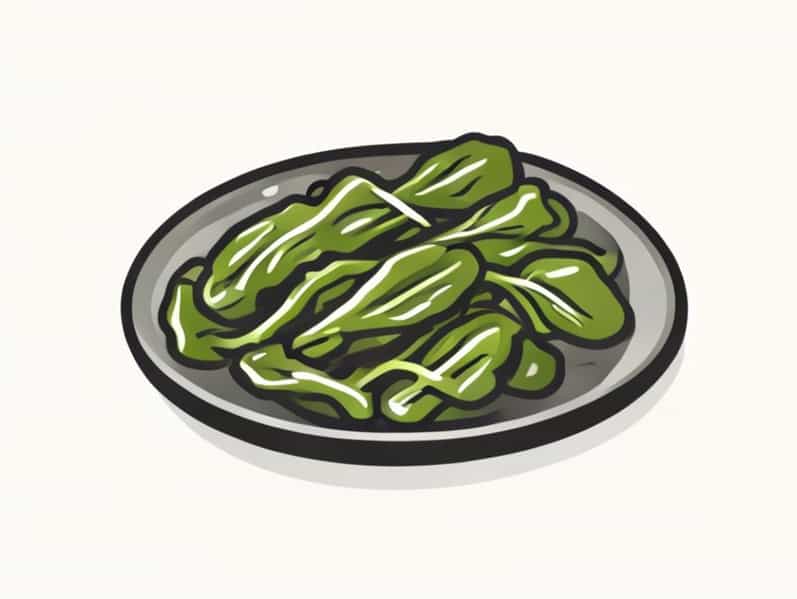
Many people wonder whether sautéed spinach is good for you, especially because cooking vegetables can sometimes change their nutrient levels. Spinach is widely known as a nutrient-dense leafy green, and sautéing is one of the most common ways to prepare it. Understanding how sautéing affects vitamins, minerals, and overall health benefits can help you decide if this simple dish deserves a regular spot in your meals. With its rich flavor, soft texture, and versatility, sautéed spinach offers both convenience and nutrition that fit well into many types of diets.
Nutritional Benefits of Spinach
Spinach is packed with essential nutrients that support various body functions. Whether eaten raw or cooked, it delivers a broad range of vitamins and minerals. However, cooking spinach-especially sautéing-can concentrate some nutrients while reducing others, leading to a slightly different nutritional profile compared to raw spinach.
Key Nutrients Found in Spinach
-
Vitamin AImportant for eye health and immune support.
-
Vitamin KPlays a crucial role in blood clotting and bone strength.
-
IronHelps transport oxygen in the blood.
-
FolateEssential for cell growth and development.
-
MagnesiumSupports muscle and nerve function.
-
AntioxidantsProtect the body from oxidative stress.
These nutrients make spinach an excellent addition to meal plans focused on wellness, balanced eating, and energy support.
How Sautéing Affects Nutrients
Sautéing spinach involves cooking it for a short time over medium or high heat with a small amount of oil or butter. This cooking method softens the leaves and reduces their volume significantly, allowing you to eat larger quantities than you might in raw form. As with any cooking method, sautéing can alter the nutritional composition of spinach, often in both positive and negative ways.
Nutrients That Become More Available
Some nutrients become easier for the body to absorb after spinach is cooked
-
Vitamin A and carotenoidsHeat helps release fat-soluble nutrients, increasing absorption when paired with healthy fats.
-
IronAlthough the total amount stays the same, cooking spinach reduces oxalates that inhibit iron absorption.
-
CalciumSimilar to iron, the reduced oxalate content makes calcium easier for the body to access.
Because sautéing reduces the size of spinach dramatically, you can eat more per serving, naturally boosting your intake of these nutrients.
Nutrients That Decrease With Heat
Sautéing does cause some nutrients to decline, especially those sensitive to heat
-
Vitamin CBreaks down during cooking but is still present in moderate amounts.
-
FolateSlightly decreases with prolonged heat exposure.
Despite these losses, sautéed spinach remains nutritionally rich and beneficial for overall health.
Health Benefits of Eating Sautéed Spinach
Adding sautéed spinach to your meals can support various aspects of physical well-being. Its blend of fiber, antioxidants, and minerals contributes to improved digestion, stronger immunity, and better long-term health outcomes.
Supports Digestive Health
Spinach contains fiber that aids in digestion and helps maintain bowel regularity. Cooking the spinach makes its fiber softer and easier to digest, which can be helpful for people who experience digestive discomfort from raw leafy greens.
Promotes Heart Health
Sautéed spinach provides potassium, magnesium, and antioxidants that support heart function. These nutrients help regulate blood pressure and reduce oxidative stress, contributing to a healthier cardiovascular system.
Boosts Immune Function
Vitamins A and K, along with antioxidants, help strengthen the body’s natural defenses. Even though vitamin C decreases during cooking, sautéed spinach still provides a valuable mix of immune-boosting compounds.
Supports Bone Strength
Spinach is high in vitamin K, which plays an essential role in bone formation. Cooking spinach makes it easier to consume more vitamin K in one serving because the leaves shrink significantly when heated.
How to Make Sautéed Spinach Even Healthier
The nutritional value of sautéed spinach depends not only on the spinach itself but also on how it is prepared. Small adjustments can enhance its health benefits and create a more balanced dish.
Choose Healthy Fats
-
Use olive oil or avocado oil for heart-friendly fats.
-
Avoid heavy oils or excessive butter that add unnecessary calories.
Pairing spinach with healthy fats helps unlock fat-soluble vitamins such as vitamin A and K.
Add Flavor Without Extra Calories
-
Garlic adds natural flavor and additional antioxidant benefits.
-
Lemon juice brings brightness and can aid iron absorption.
-
Herbs like basil, thyme, or oregano enhance taste naturally.
Seasoning properly can elevate sautéed spinach without compromising its nutritional value.
Consider Additional Ingredients
Spinach pairs well with other nutritious foods, such as
-
Mushrooms for additional fiber and minerals.
-
Tomatoes for vitamin C and lycopene.
-
Chickpeas or beans for protein and extra nutrients.
These combinations make sautéed spinach a more complete and satisfying meal or side dish.
Common Questions About Sautéed Spinach
Is Sautéed Spinach Better Than Raw?
Both are healthy, but sautéed spinach provides certain advantages. Because the leaves shrink when cooked, a single serving of sautéed spinach contains far more nutrients by volume. Cooking also reduces oxalates, allowing better absorption of minerals like iron and calcium. Raw spinach, however, retains more vitamin C and some heat-sensitive nutrients.
Is Sautéed Spinach Good for Weight Loss?
Yes, sautéed spinach can support weight loss because it is low in calories but high in nutrients. The fiber helps keep you full, while the vitamins and minerals support overall metabolism. Just be mindful of how much oil is used during cooking.
Does Sautéing Spinach Destroy Its Health Benefits?
No, sautéing does not destroy the majority of spinach’s benefits. While some nutrients decrease, many others become more absorbable, and the vegetable remains highly nutritious overall.
Tips for Buying and Storing Spinach
Fresh spinach offers the best flavor and nutrition. When choosing spinach at the store, look for crisp leaves with no yellowing. Store it in the refrigerator and use it within a few days to maximize freshness. Washing it thoroughly before cooking helps remove any dirt or residue.
Sautéed spinach is undeniably good for you. It retains many of its important nutrients while offering improved absorption of iron, calcium, and vitamin A. Its soft texture and concentrated flavor make it an easy addition to a wide range of meals. Whether you enjoy it as a simple side or incorporate it into pasta, rice bowls, or omelets, sautéed spinach remains one of the most convenient and nutritious leafy greens to include in your diet. With proper preparation, it can be both delicious and packed with health benefits, making it a smart choice for everyday eating.