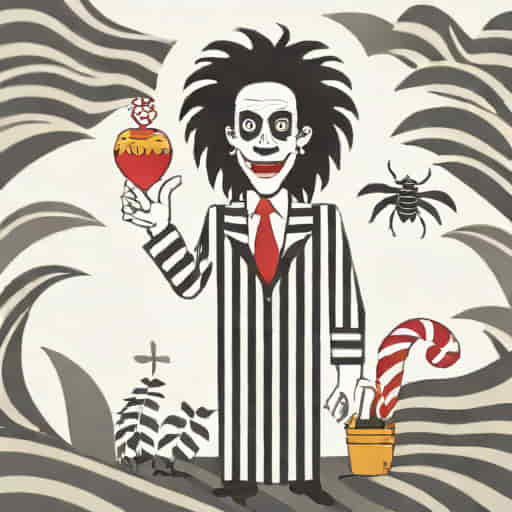
Beetlejuice is often remembered as one of the most iconic and quirky films of the 1980s, blending dark comedy with supernatural elements in a way that was unique for its time. The film’s mix of humor, horror, and eccentric visuals has left a lasting impression on pop culture, and it continues to attract new audiences decades after its release. Many people who discover the movie for the first time are immediately curious about its origin, particularly the distinctive style that feels both gothic and cartoonish. A common question arises is Beetlejuice a Tim Burton film? Understanding the answer involves exploring the director’s signature style, his career, and the ways he influenced this particular movie.
Tim Burton’s Signature Style
Tim Burton is a filmmaker celebrated for his highly recognizable aesthetic. His works often feature dark, whimsical visuals, exaggerated characters, and a mix of humor with eerie or macabre themes. These elements have appeared consistently across his career, from films like Edward Scissorhands to Sleepy Hollow. Burton’s style tends to highlight contrasts dark settings with vibrant colors, serious themes with absurd humor, and human characters alongside fantastical creatures. This distinctive approach makes his films easily identifiable and gives them a unique charm that attracts fans of all ages.
The Hallmarks of Burton’s Influence in Beetlejuice
Beetlejuice, released in 1988, exemplifies many of Tim Burton’s trademarks. The film’s story revolves around a recently deceased couple trying to haunt their home while contending with the obnoxious bio-exorcist Betelgeuse. The movie’s visual style, featuring bizarre architecture, exaggerated makeup, and surreal special effects, reflects Burton’s fascination with the unusual and grotesque. The dark humor and slightly twisted tone also align perfectly with Burton’s storytelling sensibilities. Even the character designs, such as the wild appearance of Beetlejuice himself, echo the eccentric style that Burton is famous for.
The Making of Beetlejuice
When Beetlejuice was first developed, it was written by Michael McDowell and later revised by screenwriter Warren Skaaren. Tim Burton was brought on as the director, bringing his creative vision to the project. His involvement was crucial in shaping the film’s final look and feel. While other contributors provided the script and initial ideas, it was Burton who ensured that the film maintained its distinctive balance between humor and horror. His influence can be seen in the way the film plays with the supernatural, using imaginative visuals to turn a potentially frightening story into something both entertaining and memorable.
Collaborations and Casting
Tim Burton often works closely with certain actors and production designers, and Beetlejuice was no exception. The casting of Michael Keaton as the mischievous and chaotic Betelgeuse was a pivotal choice. Keaton’s energetic performance brought Burton’s vision to life, blending slapstick comedy with unsettling charm. Additionally, the production design, costumes, and makeup were heavily influenced by Burton’s style, creating a cohesive and immersive world. These collaborations helped cement Beetlejuice as a film that is immediately recognizable as a product of Tim Burton’s creative mind.
Reception and Cultural Impact
Upon its release, Beetlejuice was met with critical and commercial success. Audiences were captivated by its imaginative visuals, clever humor, and darkly whimsical tone. Over the years, the film has become a cult classic, often cited as one of Tim Burton’s breakthrough projects in mainstream cinema. Its influence extends beyond the film itself, inspiring costumes, merchandise, and even a stage musical adaptation. The enduring popularity of Beetlejuice demonstrates how Burton’s vision resonated with viewers and continues to shape the perception of gothic comedy in film.
Why People Associate Beetlejuice with Tim Burton
- Distinctive Visual Style The exaggerated, gothic, and surreal imagery aligns with Burton’s aesthetic.
- Dark Humor The film blends horror elements with comedy, a hallmark of Burton’s films.
- Character Design The bizarre, over-the-top characters reflect Burton’s preference for eccentric personas.
- Collaborative Patterns Frequent collaborators like Michael Keaton helped bring Burton’s vision to life.
- Cult Status Beetlejuice’s lasting appeal is closely tied to Burton’s reputation as a director with a unique voice.
Beetlejuice in the Context of Burton’s Career
Beetlejuice was released shortly after Tim Burton’s work on Pee-wee’s Big Adventure and before Edward Scissorhands, which solidified his reputation as a visionary director. It marked a transition from smaller, quirky projects to larger productions with more elaborate designs and broader audience appeal. The film allowed Burton to experiment with special effects, makeup, and set design, laying the groundwork for the highly stylized films he would create in the 1990s and beyond. Beetlejuice remains a landmark in his career, showing early examples of the themes and visual techniques that would define his later works.
Legacy and Influence
The legacy of Beetlejuice extends beyond its initial release. It has influenced numerous filmmakers, artists, and writers who admire Burton’s ability to combine the macabre with the comedic. Its unique style has been referenced in animated series, comic books, and other media that seek to capture the same playful yet eerie energy. For many fans, Beetlejuice represents the essence of Tim Burton’s creative identity fearless, imaginative, and unapologetically strange. Its impact on pop culture underscores the lasting connection between the film and Burton’s broader body of work.
So, is Beetlejuice a Tim Burton film? The answer is a clear yes. While the screenplay had contributions from other writers, it was Tim Burton’s direction that gave the movie its distinctive look, tone, and enduring charm. From the gothic visuals to the eccentric characters and dark humor, the elements that make Beetlejuice memorable are directly linked to Burton’s creative vision. Over three decades later, the film continues to be celebrated as a quintessential example of Burton’s style and remains a beloved part of his cinematic legacy.