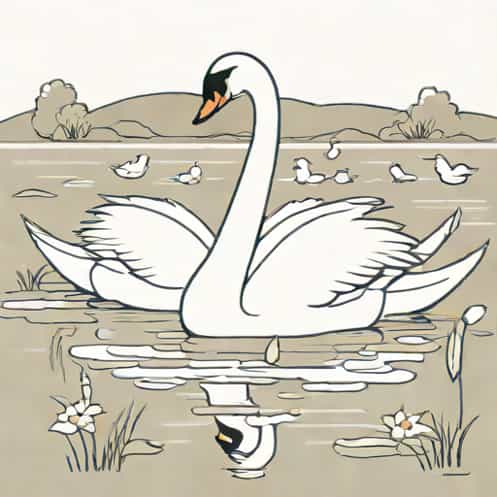
Swans are often admired for their grace, elegance, and the serene beauty they bring to lakes and rivers. However, there are many myths and misconceptions about these birds, including rumors or questions about whether swans can intentionally end their own lives. While swans, like all animals, face dangers in the wild, including predation, starvation, or illness, the concept of suicide in swans is largely a misunderstanding of natural behaviors and biological responses to stress or injury. Understanding swan behavior and the factors that influence their well-being provides clarity about why these animals may sometimes appear to act in ways that seem self-destructive.
Understanding Swan Behavior
Swans are highly social and territorial birds that live in family groups called coveys. They exhibit strong instincts for survival, reproduction, and protection of their young. Typically, swans are very cautious around humans and other predators, often flying away or defending their territory aggressively. Observations of swans engaging in risky or unusual behaviors often stem from natural survival mechanisms rather than intentional self-harm. Understanding these behaviors helps debunk myths about swans committing suicide.
Common Misconceptions
One of the main misconceptions is that swans may throw themselves into danger or harm as a form of intentional self-destruction. In reality, swans may appear to engage in such behavior due to
- Stress or Environmental PressuresPollution, habitat loss, and human disturbances can lead to unusual or erratic behavior, such as swimming into unsafe areas or colliding with obstacles.
- Illness or InjurySick or injured swans may become weak and unable to escape threats, giving the appearance of fatal negligence.
- Mating or Protective BehaviorDuring mating season or when protecting their cygnets, swans may aggressively confront predators or humans, sometimes putting themselves at risk without any intent of self-harm.
- Confusion or DisorientationSwans may become confused in urban environments with artificial barriers, roads, or water bodies with high pollution levels, leading to accidental injury or death.
Biological and Environmental Factors
Swans, like other animals, are driven by instinct and survival. There is no evidence to suggest that swans possess the cognitive capacity to understand death or engage in suicidal behavior intentionally. Most apparent self-destructive actions are responses to biological or environmental stressors rather than conscious intent. Some of these factors include
Starvation or Food Scarcity
When food is scarce, swans may travel longer distances and enter unfamiliar or dangerous environments in search of sustenance. This can lead to exhaustion, predation, or accidents, which may be misinterpreted as suicidal behavior. Providing natural habitats with sufficient food sources helps reduce these risks.
Illness and Disease
Diseases such as avian influenza or parasites can weaken swans, making them more vulnerable to environmental hazards. Weak swans may be unable to fly, escape predators, or navigate obstacles, leading to death. Observers may misinterpret this natural vulnerability as intentional self-harm.
Predation and Threat Avoidance
Swans face threats from foxes, raccoons, eagles, and humans in some regions. Aggressive defense of territory or young may sometimes place adult swans in life-threatening situations. Their actions are driven by instinctual protective behaviors rather than a desire to die.
Observing Unusual Swan Behavior
Birdwatchers and wildlife enthusiasts occasionally report seeing swans in what appears to be risky or fatal situations. Examples include swans swimming into polluted waters, colliding with boats, or getting trapped in ice. These behaviors often have logical explanations related to survival challenges rather than conscious intent
- Collision with objects in low visibility or high traffic areas.
- Disorientation caused by chemical contamination or toxins in water.
- Exhaustion from long migratory journeys or escaping predators.
- Errors in judgment due to injury, illness, or extreme weather conditions.
Misinterpretation by Humans
Humans tend to anthropomorphize animals, attributing human-like thoughts, emotions, and motives to behaviors that are instinctive in wildlife. A swan appearing to put itself in danger may prompt the assumption that it is attempting self-harm, but scientifically, there is no evidence that swans can comprehend or act upon the concept of suicide.
Conservation and Care Considerations
Understanding why swans sometimes engage in risky behaviors is crucial for their protection and conservation. Steps that can be taken to improve swan welfare and prevent accidental harm include
- Maintaining clean and safe aquatic habitats free from pollutants and human-made hazards.
- Providing sufficient food sources during winter or in areas with scarce natural resources.
- Ensuring safe migratory paths and minimizing human interference in nesting or feeding grounds.
- Monitoring and treating diseases and injuries to reduce vulnerability to environmental threats.
Supporting Wildlife Education
Educating the public about swan behavior, biology, and ecological needs helps reduce misconceptions and promotes responsible interaction with wildlife. Misunderstandings about suicide in swans can lead to unnecessary fear or misguided attempts to intervene in natural processes, potentially causing more harm than good.
Swans do not have the cognitive ability to intentionally kill themselves. Behaviors that may appear self-destructive are usually caused by environmental stress, illness, injury, or instinctual responses to threats. Observers must understand the distinction between instinct-driven actions and conscious intent. Protecting swans involves ensuring safe habitats, adequate food supply, and minimizing human interference. By understanding their natural behaviors, people can appreciate the elegance and resilience of swans without attributing human motivations to their actions, supporting both conservation and responsible wildlife interaction.