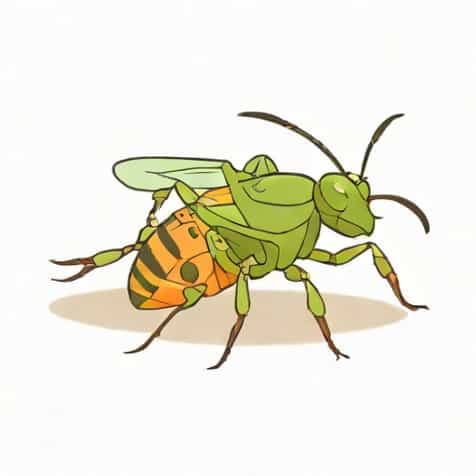
Aphids are small, soft-bodied insects that are commonly found on a wide variety of plants, making them one of the most recognizable and significant pests in gardens and agricultural fields. Despite their tiny size, typically ranging from 1 to 10 millimeters in length, aphids have distinctive physical characteristics that make them identifiable upon close inspection. They are often green but can also appear in shades of yellow, black, brown, red, or even pink, depending on the species and host plant. These insects are known for their pear-shaped bodies, long slender legs, and relatively short antennae. Aphids are fascinating in terms of both appearance and behavior, as they reproduce rapidly, feed on plant sap, and sometimes carry plant viruses, impacting plant health significantly. Learning what an aphid looks like helps gardeners, farmers, and nature enthusiasts recognize infestations early and take steps to manage them effectively.
General Appearance of Aphids
Body Shape and Size
Aphids generally have soft, pear-shaped bodies that taper toward the rear end. They are very small, often measuring less than a quarter of an inch, which allows them to remain relatively hidden on leaves, stems, and flower buds. Their bodies are delicate and flexible, which enables them to move around plants easily while feeding. Despite their small size, their clustered appearance on plant surfaces makes them more noticeable once an infestation occurs.
Color Variations
Aphids display a range of colors, which can sometimes indicate the species or developmental stage. Green aphids are the most common and are frequently found on garden vegetables and ornamental plants. Yellow and brown aphids may blend in with stems and older leaves, while black, red, or pink aphids can appear on certain specific plants. Color may also change due to environmental factors such as temperature, diet, or seasonal variations, but their soft, translucent bodies remain a consistent characteristic.
Head and Antennae
The aphid’s head is small compared to its body, featuring two compound eyes and a pair of short antennae. The antennae are segmented and often serve as sensory organs, helping the aphid detect food sources and environmental changes. Though subtle, these features are important for identification when using magnification or close observation techniques.
Legs and Mobility
Aphids have six long, thin legs that allow them to move with surprising speed for their size. While they are not strong fliers, many species have winged adults that can disperse to other plants when population density increases. The legs and wing structure are delicate, giving aphids a lightweight, fragile appearance. Their ability to crawl and cluster on plant surfaces is one of the reasons they spread rapidly once an infestation begins.
Distinctive Features of Aphids
Cornicles
One of the most distinctive features of aphids is the presence of cornicles, which are small tube-like structures located at the rear end of their bodies. These cornicles secrete a waxy substance that can deter predators, such as ladybugs, and help aphids communicate with each other chemically. The cornicles are an important identifying feature that sets aphids apart from other tiny insects like whiteflies or spider mites.
Mouthparts
Aphids have specialized mouthparts called stylets, which are needle-like and adapted for piercing plant tissue. They use these stylets to suck sap from the phloem, which provides their main source of nutrition. While the mouthparts are tiny and often not visible to the naked eye, their effect on plants-causing curled leaves, yellowing, or stunted growth-is noticeable and often alerts people to aphid presence.
Wings in Adult Aphids
Some adult aphids develop wings, especially when populations become dense or host plants are declining. Winged aphids have two pairs of transparent wings that are longer than their bodies. These wings allow them to migrate to new plants, ensuring survival and rapid colonization. The wings are delicate and may appear slightly iridescent in sunlight, adding to the unique appearance of these insects.
Behavioral Traits That Affect Appearance
Clustering
Aphids are social insects that often appear in clusters or colonies on plant surfaces. These clusters can be seen on the undersides of leaves, along stems, or near flower buds. Clustering makes their small size less of a disadvantage, as large numbers become highly visible. The concentration of green, yellow, or black bodies in one area is a telltale sign of an aphid infestation.
Secretions
Aphids excrete a sugary substance known as honeydew, which can coat leaves and attract other insects like ants. Honeydew can make the plants appear shiny or sticky and sometimes leads to the growth of sooty mold. This indirect sign, combined with the physical appearance of aphids, aids in their detection and identification.
How to Identify Aphids on Plants
Visual Identification
- Look for small, soft-bodied, pear-shaped insects on leaves and stems.
- Check for color variations green, yellow, black, red, or pink.
- Observe for clusters rather than solitary insects.
- Identify cornicles at the rear end of the body.
- Notice winged forms during dispersal periods.
Plant Symptoms
In addition to direct observation, plant symptoms help identify aphids. These may include curling leaves, yellowing, stunted growth, sticky honeydew deposits, and the presence of ants tending the aphids. Close inspection of the undersides of leaves often reveals the insects themselves, making it easier to confirm an infestation.
Differences Among Aphid Species
Host Plant Preferences
Different aphid species prefer specific host plants. For example, green peach aphids are commonly found on vegetables and fruit trees, while black bean aphids target leguminous plants. Recognizing the host plant can help narrow down which species of aphid you are observing.
Body Size and Shape Variations
While all aphids share a general pear-shaped body, slight differences exist among species. Some may be more elongated, while others appear rounder. Sizes may range slightly depending on the species, age, and environmental conditions. These subtle differences are helpful for entomologists and trained gardeners in identifying the precise aphid species.
Aphids are small but highly recognizable insects with soft, pear-shaped bodies, short antennae, long legs, and distinctive cornicles at their rear. Their colors vary widely, and some adults develop wings for migration. Typically found in clusters on leaves and stems, aphids are not only visually identifiable but also impactful due to the damage they can cause to plants. Recognizing what an aphid looks like is essential for early detection and effective pest management in gardens and agricultural settings. By observing both their physical traits and the subtle signs of their presence on plants, such as honeydew deposits and leaf deformation, gardeners and farmers can take timely action to protect plant health. Understanding the appearance and behavior of aphids helps foster better plant care and ecological awareness, highlighting the importance of small insects in the larger garden ecosystem.