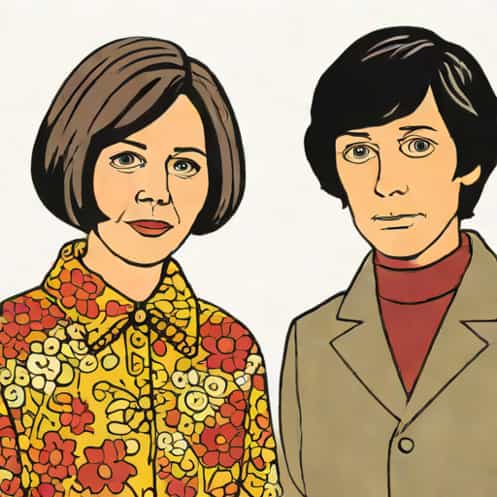
The 1971 cult classic filmHarold and Maude, directed by Hal Ashby, is widely celebrated for its dark humor, unconventional romance, and existential themes. Despite its eventual status as a beloved cult favorite, the film sparked significant controversy upon its release, largely due to its unconventional subject matter and provocative depiction of the relationship between a young man and an elderly woman. The controversy surroundingHarold and Maudestemmed from societal discomfort with age differences in romantic relationships, the film’s exploration of death and suicide, and its challenge to conventional moral and social norms. Over time, these very elements that provoked initial criticism have contributed to the film’s enduring appeal, making it a subject of academic and cultural discussion for decades.
Plot Overview
Harold and Maudetells the story of Harold Chasen, a wealthy, morbid young man obsessed with death, and Maude, a lively 79-year-old woman who embraces life fully. Harold stages elaborate fake suicides and attends funerals for entertainment, reflecting his cynical view of life. Maude, by contrast, seeks joy in every moment, frequently engaging in unconventional acts such as stealing cars or attending random social events. The film explores the development of their relationship, which, despite the 54-year age difference, becomes romantic and transformative. Together, Harold and Maude challenge societal expectations, learning to embrace life and personal authenticity.
Sources of Controversy
The film provoked controversy for several reasons, each touching on societal taboos and moral sensitivities of the early 1970s.
Age-Disparate Romance
The most immediately controversial aspect of the film is the romantic relationship between Harold, a young man in his early twenties, and Maude, a woman nearly three times his age. Critics and audiences at the time viewed this as inappropriate or morally questionable, questioning the ethical implications of such a relationship. The depiction of intimacy and emotional connection between an elderly woman and a young man challenged deeply ingrained social norms regarding acceptable romantic pairings, prompting discomfort and debate among viewers and critics alike.
Depiction of Suicide and Death
Harold’s obsession with death and his repeated mock suicides added another layer of controversy. In the film, suicide is presented with dark humor, often staged as a dramatic or theatrical act rather than a tragic event. This approach unsettled some viewers, who felt it trivialized a serious and sensitive topic. Additionally, the casual treatment of funerals and morbidity challenged conventional depictions of death in cinema at the time, contributing to the perception that the film was subversive or irreverent.
Countercultural and Anti-Establishment Themes
Harold and Maudealso embodies countercultural values that were controversial during the early 1970s. Maude’s philosophy of living fully, rejecting materialism, and embracing spontaneity opposed mainstream societal expectations. Her disregard for social conventions, her rebellious behavior, and her advocacy for individual freedom resonated with the emerging counterculture but shocked more conservative audiences. By presenting an older character who rejects traditional morality and inspires Harold to do the same, the film challenged conventional ideas about life, love, and conformity.
Critical Reception and Public Response
Upon its initial release,Harold and Maudereceived mixed reviews. Some critics praised the film for its originality, dark humor, and philosophical depth, while others criticized it for tastelessness and immorality. The unconventional romance and irreverent tone were frequently cited as sources of discomfort. Some theaters even hesitated to screen the film, fearing audience backlash. Box office performance was modest at best, reflecting the polarized reception.
Despite the initial controversy, the film gradually gained a devoted following through late-night screenings, college campus showings, and home video distribution. Younger audiences and countercultural communities embraced its themes of personal freedom, existential reflection, and resistance to societal norms. Over time, what was once scandalous became celebrated for its subversive brilliance and emotional resonance.
Thematic Exploration Contributing to Controversy
The film’s themes play a significant role in its controversial reception. Three major thematic areas contributed to public debate and critical discussion
- Mortality and the Meaning of LifeHarold’s fixation on death and Maude’s embrace of life create a philosophical contrast that challenges viewers to reflect on their own attitudes toward mortality. The juxtaposition of morbidity and joy unsettled audiences accustomed to more straightforward portrayals of death in cinema.
- Social Norms and Age RolesBy presenting a romantic connection between an elderly woman and a young man, the film challenges societal norms regarding age, sexuality, and relational appropriateness. This aspect sparked ethical debates and moral outrage among certain audiences.
- Individualism and RebellionMaude’s rejection of materialism and social conventions embodies countercultural values, emphasizing personal freedom, authenticity, and rebellion against authority. Such themes were provocative during a period when mainstream culture often prioritized conformity and traditional morality.
Legacy and Cultural Impact
Despite the initial controversy,Harold and Maudehas endured as a cultural touchstone and cult classic. Its daring treatment of taboo topics, unconventional romance, and philosophical themes has influenced filmmakers, writers, and artists seeking to challenge social norms. The film’s dark humor, memorable characters, and emotional depth have led to its study in film courses, discussions of cinematic ethics, and inclusion in lists of greatest romantic films and cult classics.
Influence on Popular Culture
The film’s impact extends beyond cinema. Its themes of countercultural rebellion, individualism, and the embrace of life have resonated in music, literature, and fashion. References to Harold and Maude’s philosophy and style appear in various forms of media, and its soundtrack, featuring Cat Stevens, remains iconic. The film has inspired theatrical adaptations, homage in modern cinema, and scholarly analysis of its ethical and philosophical implications.
Reevaluating the Controversy
Over time, the initial controversy surroundingHarold and Maudehas largely been reevaluated. Modern audiences are more likely to appreciate the film’s exploration of human connection, existential reflection, and defiance of social norms. The age-disparate romance, once a source of moral panic, is now often interpreted as a narrative device highlighting personal growth, mutual respect, and the universality of love and companionship. Similarly, the treatment of death and suicide is recognized for its darkly comic approach, intended to provoke thought rather than promote harm.
The controversy surroundingHarold and Maudereflects both the social values of the early 1970s and the provocative nature of the film itself. Its exploration of age-disparate romance, morbidity, and countercultural ideals challenged audiences, critics, and ethical norms. However, these very elements that sparked debate have ensured the film’s lasting relevance and influence. Today,Harold and Maudeis celebrated for its originality, emotional resonance, and philosophical insight, standing as a testament to cinema’s power to challenge, provoke, and inspire reflection on life, death, and human connection.