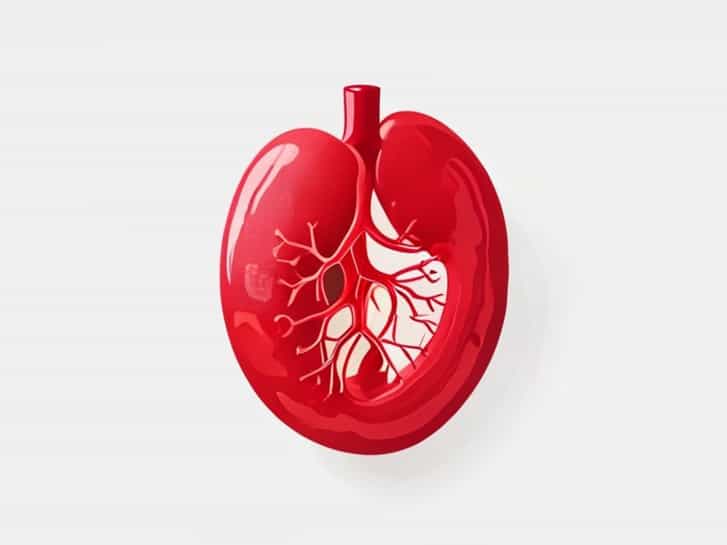
The human kidney is a remarkable organ responsible for filtering blood, maintaining fluid balance, and removing waste products from the body. One of the key processes within the kidney is the formation of glomerular filtrate, a crucial step in urine production. Glomerular filtrate is produced as a result of the complex interaction of blood pressure, specialized structures in the nephron, and selective permeability of the glomerular membrane. Understanding how glomerular filtrate is generated provides insight into kidney function, fluid and electrolyte balance, and the body’s ability to maintain homeostasis. This topic explores the mechanisms behind glomerular filtration, factors influencing the process, and its importance in health and disease.
What is Glomerular Filtrate?
Glomerular filtrate is the initial fluid formed during urine production, consisting of water, ions, glucose, amino acids, and small molecules that are filtered from the blood plasma. This filtrate is formed in the glomerulus, a network of capillaries within the nephron, which is the functional unit of the kidney. Notably, the filtrate does not contain large proteins or blood cells, as these are retained in the bloodstream due to the selective filtration properties of the glomerular membrane.
Composition of Glomerular Filtrate
The composition of glomerular filtrate closely resembles plasma, minus most proteins and blood cells. It typically includes
- Water
- Electrolytes such as sodium, potassium, calcium, and chloride
- Glucose and amino acids
- Urea and other small metabolic wastes
- Low molecular weight substances freely filtered from plasma
The composition is essential for the nephron to perform reabsorption and secretion processes that adjust the final urine composition according to the body’s needs.
How Glomerular Filtrate is Produced
Glomerular filtrate is produced as a result of a process called glomerular filtration, which occurs in the renal corpuscle of the nephron. The renal corpuscle consists of the glomerulus and Bowman’s capsule, and it is here that blood is filtered under the influence of blood pressure and selective membrane permeability.
Role of Glomerular Blood Pressure
Blood enters the glomerulus through the afferent arteriole at relatively high pressure. This hydrostatic pressure forces water and small solutes through the glomerular capillary walls into Bowman’s capsule, forming the glomerular filtrate. The pressure must be carefully regulated; too high can damage the capillaries, while too low reduces filtration efficiency. The body maintains this balance through autoregulation mechanisms that adjust the diameter of the afferent and efferent arterioles.
Filtration Barrier of the Glomerulus
The glomerular filtration barrier is composed of three layers, each contributing to selective filtration
- Endothelial cellsThese cells line the glomerular capillaries and contain pores that allow water and small solutes to pass while blocking blood cells.
- Basement membraneA dense extracellular matrix that restricts large molecules like plasma proteins from entering the filtrate.
- PodocytesSpecialized epithelial cells with foot processes that wrap around the capillaries, leaving filtration slits for small molecules to pass.
The combination of these layers ensures that essential blood components such as proteins remain in circulation, while wastes and necessary solutes are filtered.
Factors Influencing Glomerular Filtration
Several factors determine the rate and efficiency of glomerular filtrate production, commonly referred to as the glomerular filtration rate (GFR). These include
Hydrostatic and Oncotic Pressure
The movement of fluid from the glomerular capillaries into Bowman’s capsule depends on the balance between hydrostatic pressure in the capillaries and the osmotic pressure of plasma proteins. Hydrostatic pressure pushes water out of the blood, while oncotic pressure pulls water back. The net filtration pressure determines the volume of filtrate produced.
Renal Blood Flow
Adequate blood flow to the kidneys is crucial for maintaining filtration. Changes in systemic blood pressure, vascular resistance, or renal artery constriction can significantly affect glomerular filtration. The kidneys can autoregulate blood flow to some extent, adjusting arteriole diameter to maintain a relatively constant GFR under varying conditions.
Hormonal Regulation
Several hormones influence glomerular filtration and subsequent urine formation
- Renin-Angiotensin-Aldosterone System (RAAS)Adjusts blood pressure and sodium reabsorption, indirectly affecting glomerular filtration.
- Atrial Natriuretic Peptide (ANP)Increases filtration by dilating afferent arterioles and constricting efferent arterioles.
- Antidiuretic Hormone (ADH)Modulates water reabsorption downstream of filtration, indirectly influencing filtration pressure.
Pathological Conditions
Certain diseases can affect the production of glomerular filtrate. For instance, glomerulonephritis, diabetes, and hypertension can alter filtration barrier integrity or blood flow, leading to proteinuria, reduced GFR, or other renal dysfunctions. Monitoring GFR and filtrate composition is important for diagnosing and managing these conditions.
Clinical Significance of Glomerular Filtrate
Glomerular filtrate is the starting point for urine formation, making its production critical for homeostasis. The filtrate undergoes reabsorption and secretion as it passes through the renal tubules, allowing the kidney to regulate
- Water and electrolyte balance
- Blood pH and acid-base equilibrium
- Excretion of metabolic wastes such as urea and creatinine
- Conservation of essential nutrients like glucose and amino acids
Because the composition of glomerular filtrate is closely linked to kidney function, its analysis can provide valuable clinical information. Changes in GFR or filtrate content can indicate early kidney disease, dehydration, or systemic conditions affecting renal perfusion.
Summary of the Filtration Process
Glomerular filtrate is produced as a result of the orchestrated interaction of blood pressure, selective permeability of the filtration barrier, and regulatory mechanisms that maintain renal blood flow. The renal corpuscle, composed of the glomerulus and Bowman’s capsule, serves as the site where plasma is filtered. The resulting filtrate contains water, electrolytes, and small solutes but excludes blood cells and most proteins. Subsequent processing in the nephron ensures that necessary substances are reabsorbed while wastes are excreted as urine. Proper functioning of this filtration system is essential for maintaining fluid balance, electrolyte homeostasis, and overall metabolic stability.
Understanding that glomerular filtrate is produced as a result of hydrostatic pressure, selective filtration, and kidney regulatory mechanisms highlights the complexity of renal physiology. The process is vital for sustaining life, regulating body fluids, and eliminating metabolic wastes. Disruptions in glomerular filtration can lead to serious health issues, underscoring the importance of kidney health and the intricate balance required for efficient filtration. Advances in nephrology continue to expand our understanding of glomerular filtrate production, offering insights into treatment and prevention of kidney-related diseases. Maintaining healthy kidney function ensures that glomerular filtration continues effectively, supporting the body’s overall homeostasis and well-being.