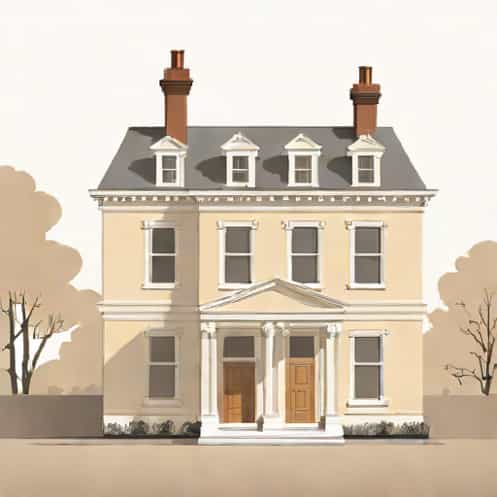
The Georgie Coleridge Cole House is a remarkable example of historic architecture and personal legacy, reflecting both the tastes of its era and the significance of its original owner. Situated in a picturesque setting, this house has attracted attention not only for its architectural features but also for the story of Georgie Coleridge Cole, whose influence and vision helped shape the property into a place of cultural and historical importance. Today, the house serves as a testament to heritage preservation and offers insight into the lifestyles, aesthetics, and social environments of its time, making it a point of interest for historians, architects, and enthusiasts alike.
History and Origins
The Georgie Coleridge Cole House was constructed in the late 19th century, during a period when architectural styles were transitioning to embrace both classical elegance and emerging modern influences. Georgie Coleridge Cole, a prominent figure in the local community, commissioned the house with a vision to create a residence that was both functional and aesthetically pleasing. The construction incorporated local materials and traditional craftsmanship, reflecting the social status and refined tastes of its owner. Over the decades, the house has witnessed numerous events, adaptations, and renovations, each layer adding depth to its historical narrative.
Georgie Coleridge Cole The Person Behind the House
Georgie Coleridge Cole was known for their contributions to community development and cultural initiatives. As a patron of the arts and local projects, Cole envisioned a home that would not only serve as a personal residence but also as a venue for social gatherings, intellectual exchange, and artistic appreciation. This vision is reflected in the design and layout of the house, where open communal spaces coexist with private quarters, and decorative elements showcase both creativity and sophistication.
Architectural Features
The house is an outstanding example of residential architecture from its period, combining structural elegance with detailed ornamentation. The exterior features include intricately carved facades, large sash windows, and a pitched roof with decorative trim. The use of natural stone and high-quality wood emphasizes durability while providing visual warmth. The layout is thoughtfully organized, balancing formal reception rooms with comfortable private areas, allowing for both social entertaining and personal retreat.
Interior Design
The interior of the Georgie Coleridge Cole House reflects the design preferences of its time, featuring elaborate woodwork, high ceilings, and period-appropriate furnishings. Decorative moldings, fireplaces, and bespoke cabinetry highlight the craftsmanship invested in the property. Each room was designed with purpose, from formal parlors for hosting guests to intimate studies and bedrooms that prioritize comfort and practicality. Lighting, both natural and artificial, was considered carefully to enhance the ambiance and highlight architectural details.
Gardens and Surrounding Grounds
The house is complemented by meticulously designed gardens and outdoor spaces, which serve both aesthetic and functional purposes. Lawns, flowerbeds, and mature trees create a serene environment, while pathways and seating areas encourage leisurely strolls and outdoor gatherings. The landscaping was designed to integrate seamlessly with the architecture of the house, reinforcing the sense of harmony between built and natural environments. Over the years, the gardens have been preserved and maintained, retaining much of their original character while accommodating modern landscaping practices.
Significance and Cultural Impact
The Georgie Coleridge Cole House holds cultural and historical significance for several reasons. Architecturally, it represents a period style that balances classical elements with emerging trends of the late 19th and early 20th centuries. Culturally, it embodies the social ambitions and aesthetic sensibilities of its original owner, providing insight into the lifestyles of affluent individuals in that era. The house also contributes to the local historical landscape, standing as a landmark within its community and serving as a reference point for heritage conservation efforts.
Community Role and Engagement
Throughout its history, the house has served not only as a private residence but also as a gathering place for cultural and community events. Lectures, art exhibitions, and musical performances have been held on the premises, reflecting Georgie Coleridge Cole’s interest in fostering community engagement and supporting artistic endeavors. Today, the house continues to be appreciated by local residents and visitors alike, both as a preserved historical site and as a symbol of communal heritage.
Preservation and Restoration Efforts
Maintaining a historic property like the Georgie Coleridge Cole House requires ongoing preservation and restoration work. Efforts have been made to retain original features, such as decorative woodwork, windows, and masonry, while updating systems to meet modern standards of safety and comfort. Conservation specialists have been involved to ensure that interventions are sympathetic to the house’s historical integrity. These preservation efforts not only protect the architectural heritage but also allow future generations to experience and learn from the property.
Challenges in Preservation
Preserving a property of this age comes with several challenges. Weathering, structural wear, and the need for modern amenities must be carefully balanced with the goal of maintaining historical authenticity. Additionally, financial resources for restoration and maintenance can be limited, requiring careful planning and community support. Nevertheless, ongoing dedication from preservationists, historians, and local authorities has ensured that the Georgie Coleridge Cole House remains a well-maintained and respected landmark.
Visiting the House
The Georgie Coleridge Cole House is occasionally open to the public for tours, educational programs, and special events. Visitors have the opportunity to explore both the architectural features and the surrounding gardens, gaining insight into the life and vision of Georgie Coleridge Cole. Informative displays and guided tours provide historical context, highlighting the house’s significance within the broader heritage of the area. Such visits not only educate but also inspire appreciation for historic preservation and the stories embedded within these walls.
Educational and Heritage Programs
Educational initiatives at the house often focus on architecture, local history, and cultural heritage. Workshops, lectures, and school programs encourage community engagement and foster a deeper understanding of the historical context of the property. These programs ensure that the legacy of Georgie Coleridge Cole and the architectural significance of the house are shared with diverse audiences, preserving knowledge for future generations.
The Georgie Coleridge Cole House stands as a remarkable testament to historical architecture, cultural heritage, and the vision of its original owner. With its thoughtfully designed structure, elegant interior, and beautiful gardens, it exemplifies the social and aesthetic values of its time. Beyond its architectural features, the house continues to play a role in community engagement, education, and heritage preservation. Its story reflects the importance of maintaining historical sites, celebrating local history, and ensuring that the legacies of influential figures like Georgie Coleridge Cole endure for future generations. Today, the house remains a symbol of elegance, historical insight, and cultural appreciation, drawing visitors and scholars who wish to experience the charm and significance of this remarkable property.