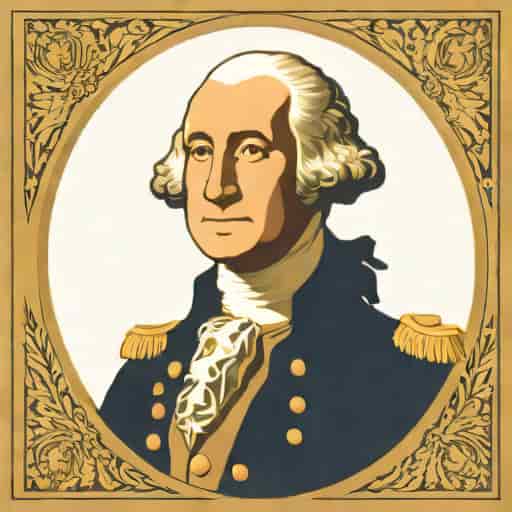
George Washington, widely known as the first President of the United States, is also remembered for his early reflections on etiquette and personal conduct through a document known as the Rules of Civility. This collection of rules was not originally written by Washington himself but was a transcription of 110 maxims adapted from a French etiquette manual. These rules served as a guide for polite behavior, moral conduct, and personal discipline, influencing Washington’s character and leadership style. Understanding the Rules of Civility offers insight into the values and expectations of social behavior in the 18th century and sheds light on the principles that shaped one of America’s most respected figures.
Origins of the Rules of Civility
The Rules of Civility & Decent Behaviour in Company and Conversation trace their origins to a French manuscript titled Les Maximes de La Politesse des Sages, which was written in the late 16th or early 17th century. George Washington, as a young boy, copied these maxims by hand around 1744, likely as an educational exercise. At the time, handwriting and memorization of moral and social guidelines were common methods for instilling discipline and proper conduct in young men. These rules cover a wide range of social interactions, from table manners and greetings to conversation etiquette and personal hygiene, reflecting the importance placed on civility in colonial society.
Content and Themes
The Rules of Civility contain 110 concise statements, each focusing on specific behaviors and attitudes. They are practical in nature and address everyday interactions. Key themes include respect for others, humility, self-control, attentiveness, and the avoidance of rudeness. Some examples of rules include showing respect to elders, refraining from interrupting conversations, maintaining cleanliness, and behaving with moderation in all things. While the rules reflect the social norms of Washington’s time, many of them remain relevant in contemporary discussions about manners, professionalism, and ethical behavior.
Impact on George Washington
Although young Washington did not write these rules himself, the act of copying and internalizing them likely played a role in shaping his character. Observers of Washington later in life noted his composure, tact, and sense of propriety in both personal and professional settings. The emphasis on respect, discipline, and careful observation in the rules appears consistent with his approach to leadership and diplomacy. By studying these guidelines, Washington developed habits of attention to detail, politeness, and measured behavior that would serve him in military, political, and social contexts throughout his career.
Application in Leadership
Washington’s adherence to principles of civility extended beyond personal interactions into his leadership style. In commanding the Continental Army, he demonstrated patience, strategic thinking, and a respect for the opinions and welfare of his officers and soldiers. During his presidency, Washington’s comportment and attention to protocol helped establish norms for the office and set a standard for future leaders. The Rules of Civility provided a framework for behavior that balanced authority with respect, helping him navigate complex social and political environments with dignity and effectiveness.
Examples of the Rules
Some of the most notable rules emphasize respect, humility, and social awareness
- Every action done in company ought to be with some sign of respect to those that are present.
- Show not yourself glad at the misfortune of another though he were your enemy.
- In the presence of others, sing not to yourself with a humming noise, nor drum with your fingers or feet.
- Be not hasty to believe flying reports to the disparagement of any.
- In all your actions, let your words and behavior be modest and sincere.
These examples illustrate the emphasis on mindfulness, ethical conduct, and the cultivation of a composed demeanor. They also reveal the balance between personal integrity and social expectations that characterized polite society in colonial America.
Relevance Today
While the historical context of Washington’s Rules of Civility differs from modern society, the principles they convey remain valuable. Many of the maxims advocate for respectful communication, emotional regulation, and ethical behavior, qualities that are still highly regarded in personal, professional, and civic life. Educators, historians, and leadership coaches often reference the rules as an example of how early lessons in morality and etiquette can influence character development and effective leadership. By examining Washington’s reflections on civility, contemporary readers can gain insights into the timeless value of ethical conduct and social awareness.
Historical and Educational Significance
The Rules of Civility hold historical significance not only because of their association with George Washington but also because they illustrate broader educational practices in colonial America. Young men were expected to learn social graces, moral principles, and disciplined behavior as part of their upbringing. Copying texts by hand reinforced literacy, attention to detail, and internalization of ethical guidelines. Washington’s version of the rules is often studied as an artifact that combines personal education with broader cultural expectations, providing a window into the values that shaped the founding generation of the United States.
Preservation and Study
Today, Washington’s handwritten copy of the Rules of Civility is preserved and has been studied extensively by historians and educators. The document is often reproduced in books and online resources, including Wikipedia, where it is summarized and analyzed for public education. Researchers examine both the content of the rules and the historical context in which Washington engaged with them, exploring their influence on his character and legacy. The study of this document highlights how early lessons in etiquette, ethics, and civility can have lasting effects on leadership and public service.
The Rules of Civility associated with George Washington provide valuable insight into the development of personal discipline, ethical behavior, and social grace in the 18th century. While the rules were adapted from a French manuscript and copied by a young Washington, their influence on his character and leadership is widely acknowledged. The guidelines emphasize respect, humility, self-control, and attentiveness, qualities that contributed to Washington’s effectiveness as a military commander, statesman, and president. Studying these rules today allows us to appreciate the historical foundations of civility and the enduring relevance of ethical conduct in personal, social, and professional life. They remind us that careful attention to manners, morality, and reflection can shape character and leave a lasting impact on society.