The human body is an intricate system of organs and tissues, each performing specific functions that are essential for survival. Among the many critical components of the respiratory and digestive systems is the epiglottis, a small but vital structure that plays a key role in ensuring the proper passage of air and food. For students studying biology in class 10, understanding the function of the epiglottis is important not only for academic purposes but also for appreciating how the body maintains efficiency and prevents life-threatening complications such as choking. Despite its relatively small size, the epiglottis has a crucial role in coordinating breathing and swallowing, making it an essential topic in human anatomy studies.
What is the Epiglottis?
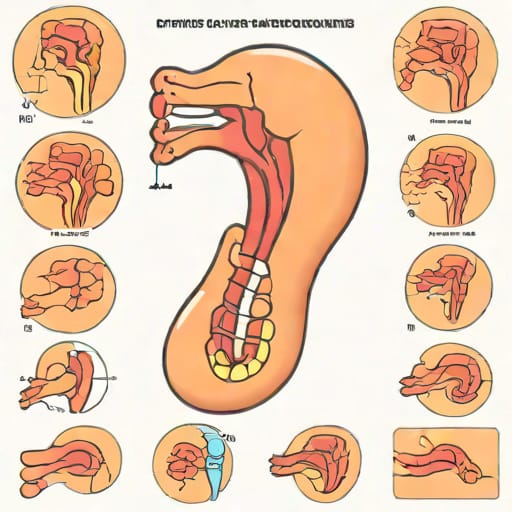
The epiglottis is a leaf-shaped flap of cartilage located at the base of the tongue, just above the larynx, which is part of the respiratory system. Its primary purpose is to act as a switch between the trachea (windpipe) and the esophagus, directing food and air to their proper channels. The epiglottis is covered with a mucous membrane and is connected to surrounding tissues through ligaments and muscles that allow it to move swiftly and efficiently during the process of swallowing.
Location and Structure of the Epiglottis
In class 10 biology, students are taught that the epiglottis is situated in the throat region. Its base is attached to the thyroid cartilage, while the tip points upwards toward the tongue. This flexible structure can bend backward and forward, covering the entrance of the larynx when food or liquid is swallowed. Structurally, the epiglottis is composed of elastic cartilage, which provides both firmness and flexibility. This combination allows it to act quickly in response to swallowing motions, ensuring that the trachea is protected from foreign ptopics.
Primary Function of the Epiglottis
The main function of the epiglottis is to prevent food and liquids from entering the windpipe, thereby protecting the respiratory tract from choking or aspiration. When a person swallows, the epiglottis automatically folds down to cover the glottis, which is the opening of the larynx. This action directs the swallowed substances into the esophagus, leading to the stomach. Once the swallowing process is complete, the epiglottis returns to its resting position, allowing air to flow freely into the trachea during breathing.
- Protection of the AirwayBy covering the larynx during swallowing, the epiglottis prevents food and liquids from entering the lungs.
- Facilitation of BreathingWhen not swallowing, the epiglottis remains upright, ensuring that air passes smoothly into the trachea.
- Coordination with Other StructuresThe epiglottis works in conjunction with the tongue, pharynx, and larynx muscles to ensure efficient swallowing and breathing.
How the Epiglottis Functions During Swallowing
Understanding the function of the epiglottis involves studying the swallowing process, also known as deglutition. When food enters the mouth, it is chewed and mixed with saliva to form a soft mass called a bolus. As the bolus moves to the back of the throat, sensory receptors trigger a reflex that causes the epiglottis to fold downward. This action covers the laryngeal opening and directs the bolus toward the esophagus. After the bolus passes, the epiglottis springs back into its original position, reopening the airway for normal breathing. This entire process occurs almost instantaneously, highlighting the efficiency of the epiglottis in safeguarding the respiratory tract.
Additional Functions of the Epiglottis
While the primary role of the epiglottis is to prevent choking, it also contributes to other functions that support overall respiratory and digestive health
- Speech ProductionThe epiglottis indirectly aids in speech by helping to regulate airflow through the larynx, which houses the vocal cords. Proper airflow is crucial for producing clear and controlled sounds.
- Prevention of Aspiration PneumoniaBy stopping foreign ptopics from entering the lungs, the epiglottis reduces the risk of infections such as aspiration pneumonia, a condition that can occur when food or liquid enters the lungs.
- Supporting Reflex ActionsThe epiglottis is part of a complex network of reflex actions in the throat, ensuring that both the respiratory and digestive systems function harmoniously.
Importance of the Epiglottis in Human Life
The epiglottis may seem like a small and insignificant structure, but its role is critical for survival. Without a properly functioning epiglottis, individuals would be at a constant risk of choking, which can lead to suffocation. Moreover, aspiration of food or liquid into the lungs can cause severe respiratory infections, emphasizing the necessity of this structure in daily life. For students studying class 10 biology, recognizing the epiglottis’ function provides a concrete example of how anatomy and physiology are interconnected, demonstrating the importance of each organ in maintaining health and life.
Common Issues Related to the Epiglottis
In addition to learning about its normal function, students should be aware of conditions that affect the epiglottis
- EpiglottitisThis is an inflammation of the epiglottis, often caused by bacterial infections. It can lead to severe difficulty in breathing and requires immediate medical attention.
- Choking HazardsIf the epiglottis does not function properly, there is an increased risk of food or liquid entering the windpipe, leading to choking incidents.
- Respiratory InfectionsImproper functioning of the epiglottis can allow harmful ptopics into the lungs, increasing susceptibility to infections like pneumonia.
Preventive Measures and Health Tips
Maintaining the health of the epiglottis involves general precautions related to the throat and respiratory system. Some practical tips include
- Chewing food thoroughly before swallowing to reduce the risk of choking.
- Avoiding talking or laughing while eating to ensure proper coordination of the swallowing reflex.
- Maintaining good hygiene to prevent bacterial infections that can lead to epiglottitis.
- Seeking immediate medical care if experiencing difficulty in swallowing, throat pain, or breathing issues.
The epiglottis is a small yet indispensable structure in the human body, especially emphasized in class 10 biology for its vital role in safeguarding the respiratory system. Its primary function is to prevent food and liquids from entering the windpipe during swallowing, ensuring that the trachea remains clear for breathing. Additionally, it aids in speech production, supports reflex actions, and helps prevent respiratory infections. Understanding the function of the epiglottis provides students with insight into the complex interplay between the digestive and respiratory systems, highlighting the importance of even the smallest structures in maintaining overall health. By studying the epiglottis, students gain a clearer appreciation of human anatomy and the critical processes that sustain life on a daily basis.