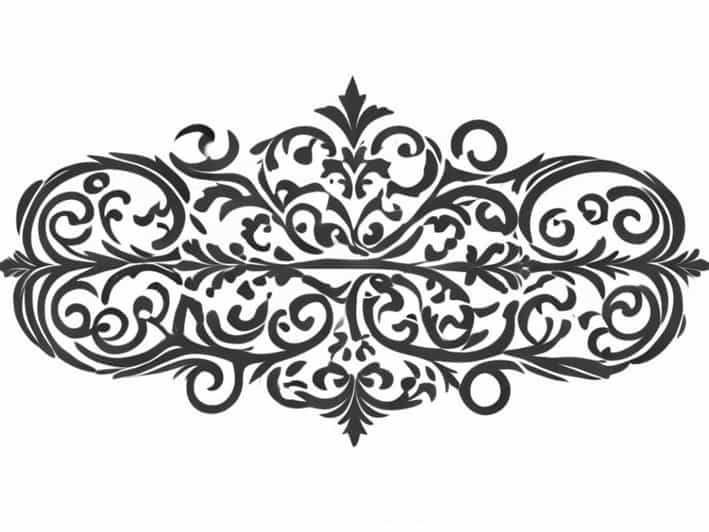
Scroll saw fretwork is one of the most expressive forms of decorative woodworking, combining precision, patience, and artistic imagination. For many woodworkers, the appeal lies not only in the finished piece but also in the rhythm of cutting delicate lines and curves from a solid board. Fantastic fretwork patterns for the scroll saw open the door to intricate designs that transform simple wood into lace-like artwork. From traditional motifs to modern interpretations, fretwork patterns allow makers to explore creativity while sharpening technical skills.
The Appeal of Fretwork in Scroll Saw Projects
Fretwork refers to detailed openwork designs created by removing sections of material to form decorative patterns. When made with a scroll saw, fretwork becomes especially refined, as the thin blade allows for tight curves and interior cuts. This technique has a long history in furniture making, architectural decoration, and handcrafted art.
What makes fantastic fretwork patterns so appealing is their ability to turn flat wood into something visually light and complex. Even simple shapes can appear elegant when repeated and balanced carefully. For hobbyists and professionals alike, fretwork offers a satisfying challenge and a strong sense of accomplishment.
Understanding Scroll Saw Fretwork Patterns
Scroll saw fretwork patterns are typically line-based designs that guide where material should be removed. These patterns can range from beginner-friendly shapes to highly complex compositions requiring advanced skill. Most patterns rely on a combination of interior cuts and flowing outlines to create contrast between solid wood and open space.
A good fretwork pattern considers both beauty and structural strength. While delicate elements look impressive, they must remain strong enough to survive cutting, sanding, and long-term display. Fantastic fretwork patterns balance fine detail with smart spacing and thoughtful design.
Common Elements in Fretwork Design
Many scroll saw fretwork patterns share certain visual elements that define the style. These components can be combined in countless ways to create unique results.
- Flowing curves and repeating shapes
- Symmetry or controlled asymmetry
- Natural motifs such as leaves, vines, and flowers
- Geometric lines and repeating patterns
- Negative space used as part of the design
Understanding these elements helps woodworkers choose or design patterns that match their skill level and artistic taste.
Classic Fretwork Pattern Styles
Traditional fretwork styles remain popular because of their timeless beauty. These designs often draw inspiration from historical architecture, furniture, and ornamental carving. They work well for decorative panels, cabinet doors, and wall art.
Classic patterns typically emphasize symmetry and smooth transitions between shapes. They are well-suited for hardwoods, where fine details can be preserved with careful cutting.
Victorian and Gothic Influences
Victorian fretwork patterns are known for their ornate and romantic appearance. They often include floral scrolls, arches, and layered shapes. Gothic-inspired designs feature pointed arches, tracery, and repeating vertical elements. Both styles offer fantastic fretwork opportunities for scroll saw artists who enjoy historical aesthetics.
These patterns look especially striking when used in frames, screens, or decorative inserts, adding an old-world charm to modern interiors.
Nature-Inspired Fretwork Patterns
Nature is one of the most common sources of inspiration for fantastic fretwork patterns. Leaves, branches, animals, and organic textures translate beautifully into scroll saw designs. These patterns often feature flowing lines that feel natural and balanced.
Nature-themed fretwork works well for home décor, garden accents, and gifts. Because organic shapes are forgiving, they can be adapted for both beginners and advanced scroll saw users.
Floral and Botanical Designs
Floral fretwork patterns range from simple leaf outlines to complex arrangements of flowers and vines. Roses, lilies, and abstract blossoms are particularly popular. These designs allow for graceful curves and layered depth, making them ideal for decorative panels or plaques.
Botanical patterns can be scaled easily, which makes them versatile for different project sizes without losing visual impact.
Geometric and Modern Fretwork Patterns
Not all fantastic fretwork patterns follow traditional or natural themes. Modern designs often rely on geometry, repetition, and clean lines. These patterns appeal to those who prefer a contemporary aesthetic and bold visual contrast.
Geometric fretwork patterns use shapes like circles, triangles, and interlocking forms to create rhythm and structure. When cut precisely, they produce striking results that complement minimalist interiors.
Abstract Interpretations
Abstract fretwork patterns focus on movement, balance, and negative space rather than recognizable imagery. These designs challenge the scroll saw artist to think about composition and flow. While abstract patterns may look simple at first glance, they often require careful planning to ensure strength and symmetry.
Abstract fretwork is well-suited for wall art, lampshades, and decorative screens.
Choosing the Right Wood for Fretwork
The success of any fretwork project depends not only on the pattern but also on the material. Different woods behave differently under the scroll saw blade. Selecting the right wood helps prevent breakage and ensures clean cuts.
Softwoods are easier to cut but may lack durability for very fine details. Hardwoods provide strength and a refined finish but require sharp blades and steady technique.
Popular Wood Choices
- Baltic birch plywood for stability and consistency
- Maple for fine detail and smooth finish
- Cherry for rich color and moderate hardness
- Walnut for contrast and decorative appeal
Matching wood type to fretwork pattern complexity is key to achieving professional-looking results.
Skill Development Through Fretwork
Working with fantastic fretwork patterns for the scroll saw helps develop essential woodworking skills. Precision cutting, blade control, and patience are all refined through fretwork projects. Each design teaches lessons about tension, spacing, and visual balance.
As skill improves, woodworkers often begin modifying existing patterns or creating original designs. This progression turns fretwork from a technical exercise into a personal art form.
Tips for Cleaner Cuts
Achieving clean fretwork results takes practice, but a few habits make a big difference.
- Use sharp, appropriate blades for the pattern
- Drill clean entry holes for interior cuts
- Maintain steady feed pressure
- Sand gently to preserve fine details
These techniques help ensure that intricate fretwork patterns remain crisp and visually appealing.
Creative Uses for Finished Fretwork
Finished fretwork pieces can be used in many creative ways. Decorative wall panels, framed art, lamps, clock faces, and room dividers all benefit from detailed scroll saw designs. Smaller pieces make thoughtful handmade gifts, while larger panels can become focal points in a room.
Fantastic fretwork patterns also adapt well to layered designs, where multiple cut pieces are stacked to add depth and shadow. This approach expands the creative possibilities even further.
Fantastic fretwork patterns for the scroll saw offer endless opportunities for artistic expression and skill growth. By exploring classic, natural, and modern designs, woodworkers can find patterns that match their interests and abilities. With the right materials, thoughtful pattern selection, and steady technique, fretwork becomes more than decoration. It becomes a craft that celebrates patience, creativity, and the timeless beauty of carefully shaped wood.