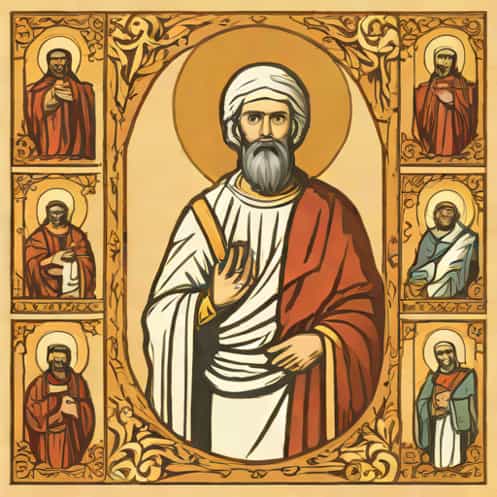
Hagiography is a term that may sound unfamiliar to many, but it holds significant importance in literature, history, and religious studies. At its core, hagiography refers to the biography of a saint or a revered religious figure, often written with the intention of highlighting their virtues, miracles, and moral excellence. Unlike ordinary biographies, which aim to present a balanced view of a person’s life, hagiographies often emphasize the spiritual achievements and exemplary qualities of their subjects. They serve as a source of inspiration for followers, teaching moral lessons and reinforcing faith-based values.
Origin and Meaning of Hagiography
The word hagiography comes from the Greek words hagios, meaning holy or saintly, and graphein, meaning to write. Originally, it referred specifically to writings about the lives of Christian saints. Over time, however, the term has expanded to include the biographies of holy figures in other religious traditions as well. Hagiographies were often written by monks or religious scholars who sought to preserve the legacy of saints and promote religious devotion among the faithful.
Historical Context
Hagiography has a long history, dating back to the early centuries of Christianity. In the medieval period, hagiographies were particularly popular, as they provided models of piety for both clergy and laypeople. These texts were not merely historical records; they were also instructional tools, intended to guide readers in spiritual matters. Monks would meticulously record the lives of saints, noting their miracles, acts of charity, and unwavering faith, which in turn helped strengthen the moral and religious framework of the community.
Key Features of Hagiography
Hagiographies share several distinctive characteristics that set them apart from other forms of biography
- Focus on VirtueHagiographies emphasize the moral and spiritual virtues of their subjects, highlighting traits such as humility, patience, and devotion.
- Miraculous EventsMany hagiographies include accounts of miracles or divine interventions, presenting the saint as a figure blessed by God or possessing extraordinary spiritual power.
- Didactic PurposeThese texts are meant to teach lessons and encourage readers to emulate the saint’s behavior in their own lives.
- Idealized PortrayalHagiographies often present an idealized version of the subject, sometimes omitting human flaws or struggles to maintain a focus on sanctity.
Hagiography in Different Cultures
While hagiography is most commonly associated with Christianity, the practice exists in many other religious traditions. In Buddhism, for example, texts about the lives of revered monks and teachers often serve a similar purpose, highlighting their wisdom, compassion, and dedication to the Dharma. In Islam, biographies of the Prophet Muhammad and other saints emphasize their moral integrity and spiritual accomplishments. These writings, though culturally and religiously distinct, share the central goal of promoting ethical conduct and spiritual devotion.
The Role of Hagiography in Literature
Beyond religious instruction, hagiographies have also influenced literature and storytelling. Writers have drawn inspiration from the lives of saints to craft narratives that explore themes of virtue, sacrifice, and divine intervention. In some cases, hagiographic elements appear in secular literature, where characters embody the qualities celebrated in saintly biographies. By studying hagiography, scholars can gain insight into the values, beliefs, and social norms of the periods in which these texts were written.
Modern Perspectives on Hagiography
Today, the term hagiography is sometimes used metaphorically to describe any biography that is overly flattering or uncritical. In this sense, it can refer to books or topics that present public figures, celebrities, or historical leaders in an excessively positive light, ignoring flaws or controversies. While this usage is broader, the core idea remains the same hagiography focuses on idealized portrayals, often with the goal of inspiring admiration or emulation.
Criticism and Challenges
One criticism of hagiography is that it can blur the line between fact and legend. Because the texts often include miraculous events or exaggerated accounts, historians must approach them carefully, distinguishing between historical evidence and devotional storytelling. Despite these challenges, hagiographies remain valuable sources for understanding religious beliefs, cultural values, and the ways in which societies honor exemplary figures.
Hagiography and Education
In addition to their religious and historical importance, hagiographies can play an educational role. They encourage readers to reflect on moral choices, spiritual growth, and the pursuit of virtue. By reading about the lives of saints or exemplary figures, individuals can find guidance, motivation, and a framework for ethical living. Schools, religious institutions, and cultural programs often incorporate hagiographic texts to teach both history and moral reasoning.
Hagiography is more than just a biography of saints; it is a literary tradition that combines devotion, moral instruction, and storytelling. By emphasizing virtue, miraculous deeds, and idealized behavior, hagiographies inspire readers and preserve cultural and religious heritage. Whether in ancient manuscripts or modern adaptations, the study of hagiography offers valuable insights into human aspirations, societal values, and the enduring power of exemplary lives. Understanding hagiography helps us appreciate how individuals and communities celebrate the extraordinary within the ordinary, blending history, faith, and imagination into stories that continue to resonate across generations.