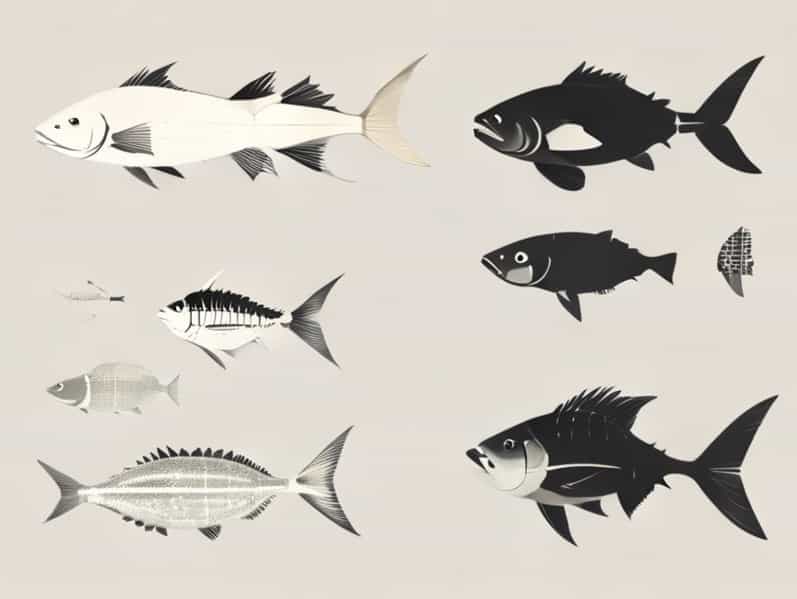
Fish are a diverse and fascinating group of aquatic animals that can be broadly categorized into two main types bony fish and cartilaginous fish. Each group exhibits unique structural and functional adaptations that allow them to thrive in a variety of aquatic environments, from shallow freshwater streams to the deepest parts of the ocean. Understanding the differences between bony and cartilaginous fish, along with examples of each, helps illustrate the evolutionary diversity and ecological roles of these aquatic vertebrates. This knowledge is fundamental for students, marine enthusiasts, and anyone interested in biology and marine ecosystems.
Bony Fish (Osteichthyes)
Bony fish, scientifically known as Osteichthyes, are characterized by a skeleton primarily made of bone rather than cartilage. They are the largest group of fish, with over 28,000 species identified worldwide. Bony fish have a wide range of shapes, sizes, and adaptations that allow them to occupy nearly every aquatic habitat. Key features of bony fish include a swim bladder for buoyancy control, gills covered by an operculum, and scales that provide protection and reduce friction in water.
Examples of Bony Fish
Bony fish encompass numerous species, many of which are familiar and economically important. Some notable examples include
- SalmonKnown for their remarkable migratory patterns, salmon travel from freshwater rivers to the ocean and back to spawn.
- ClownfishPopularized by marine documentaries and movies, clownfish live symbiotically among sea anemones in coral reefs.
- TunaPowerful swimmers and apex predators in the ocean, tunas are important both ecologically and commercially.
- GoldfishCommon in aquariums, goldfish are freshwater bony fish that demonstrate the wide adaptability of the group.
- CatfishFound in freshwater environments worldwide, catfish have specialized barbels that help them sense food in murky waters.
- CodEconomically significant fish, cod inhabit cold ocean waters and are a staple in many culinary traditions.
Characteristics of Bony Fish
Bony fish share several anatomical and physiological traits that distinguish them from other fish groups
- A skeleton made mostly of calcified bone.
- Fins supported by bony rays, providing precise swimming control.
- Swim bladder that allows them to regulate buoyancy and maintain stable depth in water.
- Scales covering the body, often overlapping like roof tiles.
- Operculum that protects gills and aids in efficient respiration.
Cartilaginous Fish (Chondrichthyes)
Cartilaginous fish, classified as Chondrichthyes, are distinguished by a skeleton made entirely of cartilage rather than bone. This lightweight and flexible skeletal structure allows them to swim efficiently and adapt to a variety of marine environments. Cartilaginous fish include sharks, rays, and skates, which are often apex predators or specialized feeders in their ecosystems. They lack a swim bladder and rely on large livers filled with oil for buoyancy. Their gills are exposed, typically arranged in five to seven slits on each side of the body.
Examples of Cartilaginous Fish
Cartilaginous fish are diverse and occupy different ecological niches in oceans worldwide. Examples include
- SharksVarious species of sharks, including the great white shark, tiger shark, and hammerhead, are apex predators with keen sensory adaptations.
- RaysRays, such as stingrays and manta rays, are flat-bodied fish that glide gracefully over the ocean floor or open water.
- SkatesSimilar to rays but generally less flexible and without venomous stingers, skates are bottom-dwellers feeding on invertebrates.
- Chimaeras (Ghost Sharks)Deep-sea cartilaginous fish with elongated bodies and large pectoral fins, showing unique evolutionary adaptations.
Characteristics of Cartilaginous Fish
Cartilaginous fish have specific anatomical and physiological traits that distinguish them from bony fish
- A skeleton composed of flexible cartilage rather than bone.
- Exposed gill slits without an operculum.
- Paired fins supported by cartilaginous structures.
- Lack of a swim bladder; buoyancy is maintained using oil-rich livers.
- Teeth and dermal denticles that provide protection and aid in feeding efficiency.
Comparative Differences Between Bony and Cartilaginous Fish
While both bony and cartilaginous fish are vertebrates and share aquatic adaptations, they differ in several important ways. Bony fish generally have a heavier, calcified skeleton, a swim bladder, and operculum-covered gills, while cartilaginous fish have lighter cartilage skeletons, oil-filled livers for buoyancy, and exposed gill slits. Their reproductive strategies also differ many bony fish lay large numbers of eggs, while cartilaginous fish often give birth to live young or lay fewer, well-protected eggs. These differences reflect the evolutionary strategies each group has developed to survive in diverse aquatic environments.
Ecological Roles
Both groups play critical ecological roles in their habitats. Bony fish are often primary consumers, herbivores, or omnivores, feeding on algae, plankton, or smaller fish, and serving as prey for larger predators. Cartilaginous fish, particularly sharks and rays, are often top predators, maintaining the balance of marine ecosystems by controlling populations of other fish and invertebrates. Both groups contribute to nutrient cycling and the overall health of aquatic systems.
Importance to Humans
Both bony and cartilaginous fish have significant economic, cultural, and scientific importance. Bony fish like salmon, tuna, and cod are staples in human diets and support commercial fisheries. Cartilaginous fish, such as sharks and rays, contribute to ecotourism, scientific research, and even traditional medicine in some cultures. Understanding the biology and ecology of both groups helps in sustainable management and conservation of marine resources, ensuring the survival of these diverse and valuable species.
Conservation Considerations
Overfishing, habitat destruction, and pollution pose threats to both bony and cartilaginous fish. While bony fish populations can decline rapidly due to overexploitation, cartilaginous fish are particularly vulnerable because of their slower reproductive rates. Conservation efforts, including marine protected areas, fishing regulations, and public awareness campaigns, are critical for maintaining healthy populations and biodiversity in aquatic ecosystems.
Bony and cartilaginous fish represent two major groups of aquatic vertebrates, each with unique adaptations and ecological roles. Bony fish, with their calcified skeletons, swim bladders, and operculum-covered gills, include species such as salmon, tuna, and goldfish. Cartilaginous fish, with flexible cartilage skeletons and exposed gills, include sharks, rays, and skates. Understanding the differences, examples, and ecological significance of these fish groups provides valuable insight into the diversity of life in aquatic environments. Both groups are vital to marine ecosystems, human economies, and scientific research, emphasizing the importance of their conservation and sustainable management.