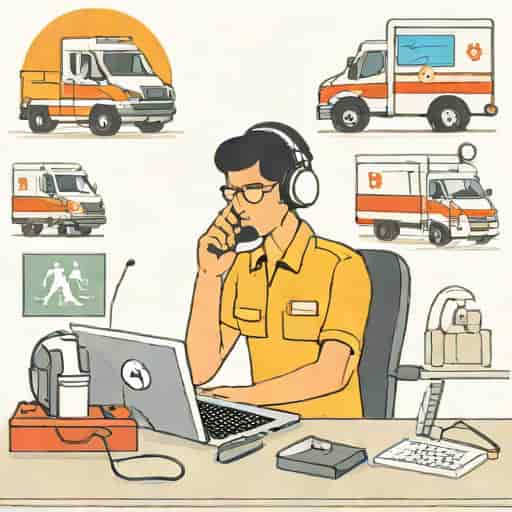
When many people think about emergency response, they usually picture ambulances racing through traffic, flashing lights, and skilled paramedics saving lives. However, there is another crucial part of the emergency system that often goes unnoticed the emergency medical dispatcher. These professionals are the first point of contact when someone calls for help, and emergency medical dispatchers are trained to stay calm, assess situations, and guide callers through life-saving steps even before medical teams arrive. Their role is essential in ensuring people receive the right help at the right time, and their training prepares them to handle intense pressure with confidence and compassion.
The Critical Role of Emergency Medical Dispatchers
Emergency medical dispatchers are trained to act as the bridge between the public and emergency medical services. They answer emergency calls, gather vital information, and coordinate the response. Their ability to stay level-headed can mean the difference between life and death. Every second counts in emergency situations, and dispatchers must think quickly while communicating clearly.
Being the First Line of Support
Emergency medical dispatchers are trained to become the first source of reassurance during stressful and frightening situations. When someone calls during a crisis, they may be panicked, confused, crying, or even unable to think clearly. Dispatchers must calm the caller enough to collect important information without wasting precious time.
- They listen carefully to identify the type of emergency.
- They reassure callers to reduce panic.
- They ask clear and direct questions.
- They determine the level of urgency.
- They provide immediate instructions if necessary.
This ability to support emotionally while managing critical details is a central skill emergency medical dispatchers must master through training and practice.
Emergency Medical Dispatchers Are Trained to Assess Situations Quickly
Emergency medical dispatchers are trained to evaluate emergencies through structured questioning. Even without seeing the scene themselves, they must understand what is happening using only the caller’s words. This requires careful listening, fast thinking, and knowledge of medical priorities.
Gathering Accurate Information
Emergency dispatchers are taught specific protocols to guide their questioning. They ask about the patient’s condition, symptoms, location, and any potential dangers nearby. They also need to confirm exact addresses to ensure responders can find the scene quickly, even if the caller is uncertain or overwhelmed.
Some of the key details they often gather include
- Is the person conscious?
- Are they breathing normally?
- Are there visible injuries or bleeding?
- What caused the emergency?
- Are there risks like fire, traffic, or hazards?
With this structured assessment, emergency medical dispatchers can determine what type of response is needed and how urgent it is.
Providing Life-Saving Instructions Over the Phone
Emergency medical dispatchers are trained to do far more than just send help. In many cases, they must guide callers through first aid or life-saving techniques. Because ambulances can take time to arrive, these instructions are often crucial.
Helping People Act in Critical Moments
Emergency medical dispatchers are trained to give clear, step-by-step directions that ordinary people can follow. This may include guiding someone through CPR, explaining how to stop severe bleeding, or advising how to position an unconscious person safely. Their calm voice can help callers feel more confident while taking action.
- They may instruct callers to begin chest compressions.
- They may explain how to use an automated external defibrillator if available.
- They can guide how to help someone choking.
- They can help stabilize patients until professionals arrive.
- They remind callers to stay safe while helping.
These instructions often save lives by keeping the patient alive or stable long enough for emergency medical teams to take over.
Emergency Medical Dispatchers Are Trained to Coordinate Response Teams
Beyond communication with callers, emergency medical dispatchers also coordinate the response of emergency crews. They must ensure the right medical team is dispatched with the appropriate resources. This requires strong organization skills and deep understanding of emergency systems.
Sending the Right Help
Not every emergency needs the same level of response. Emergency medical dispatchers are trained to prioritize cases based on severity and risk. They determine whether to send basic paramedics, advanced life support, or specialized rescue units. Their judgment helps ensure efficient use of emergency resources.
They also continue monitoring the situation and can provide updates to crews while they are on their way. This teamwork between dispatcher and responders is essential for smooth emergency operations.
Maintaining Professionalism Under Pressure
Another important part of their training focuses on emotional control. Emergency medical dispatchers are trained to handle highly stressful situations without letting fear or panic affect their performance. They may deal with serious injuries, life-threatening conditions, and heartbreaking situations every day, yet they must remain composed.
Staying Calm and Focused
Emergency calls can involve children, elderly patients, severe accidents, or unpredictable situations. The emotional weight can be heavy, but dispatchers learn techniques to manage stress, maintain focus, and communicate empathetically.
- They learn controlled breathing and emotional regulation.
- They practice speaking clearly even when callers are panicked.
- They develop resilience to handle traumatic situations.
- They receive training in crisis communication.
- They are taught to remain compassionate while being efficient.
This professionalism ensures the caller receives steady guidance through frightening moments.
Ongoing Training and Skill Development
Emergency medical dispatchers are trained not only once but continuously throughout their careers. New procedures, medical guidelines, communication techniques, and technology developments require ongoing education.
Improving Skills Over Time
They participate in refresher courses, scenario training, and performance assessments. This helps them refine their decision-making abilities and remain prepared for rare or complex emergencies. Continuous training ensures they stay capable, confident, and effective in delivering emergency medical support through phone communication.
Why Their Training Matters So Much
Emergency medical dispatchers are trained to protect lives from the very first second of an emergency call. Without their structured skills, emergency responses would be slower, less organized, and far less effective. They help reduce panic, improve safety, and increase survival chances long before ambulances arrive.
A Silent but Powerful Part of Emergency Care
Even though many people never see them, emergency medical dispatchers play a key role in public safety. Their training allows them to provide calm reassurance, accurate guidance, fast response coordination, and critical support in some of the most difficult moments a person can experience.
In everyday life, most people rarely think about who answers the phone when disaster strikes. But when emergencies happen, these trained professionals are there, ready to listen, respond, and help save lives. Their expertise, compassion, and dedication make emergency medical dispatchers one of the most important hidden heroes in modern emergency care.