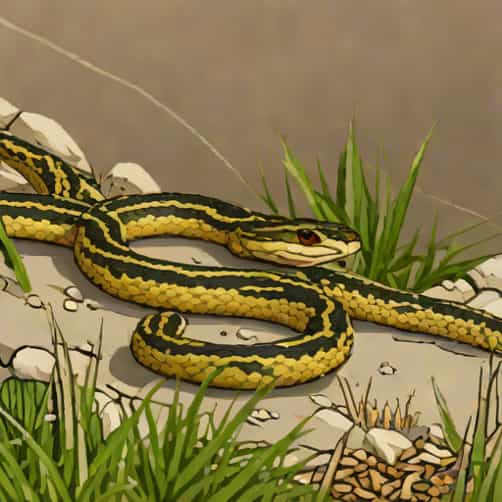
The eastern garter snake is one of the most common and widely recognized snakes in North America. Known for its distinctive striped pattern and relatively small size, this non-venomous snake plays a crucial role in local ecosystems. Understanding the habitat of the eastern garter snake is essential for appreciating its behavior, ecological importance, and the conditions necessary for its survival. These snakes thrive in environments that offer both shelter and access to food, making their habitat preferences diverse yet specific. By exploring the natural environments that eastern garter snakes inhabit, we can better understand their behavior and the importance of preserving these ecosystems.
General Characteristics of Eastern Garter Snakes
Eastern garter snakes are slender, medium-sized snakes that typically range from 18 to 26 inches in length, although some individuals may grow larger. Their coloration generally includes a pattern of longitudinal stripes in shades of yellow, green, or blue running down a darker body. This distinctive striping helps with identification and provides camouflage in their natural environment. Eastern garter snakes are non-venomous and primarily pose no threat to humans. They are known for their adaptability, which allows them to occupy a variety of habitats across the eastern United States and parts of Canada.
Diet and Behavior
The diet of the eastern garter snake primarily consists of small amphibians, earthworms, insects, and occasionally small fish. They are opportunistic feeders, meaning they will consume what is most readily available in their environment. These snakes are generally active during the day, although in warmer climates, they may exhibit crepuscular activity, being most active during early morning or late afternoon. Eastern garter snakes use both visual and chemical cues to locate prey and are known for their swift and agile movements.
Preferred Habitats
Eastern garter snakes thrive in habitats that provide a combination of shelter, moisture, and food availability. They are highly adaptable, capable of living in suburban areas, farmlands, and forests, provided the essential habitat requirements are met. Understanding these habitats is key to appreciating how these snakes survive and reproduce.
Wetlands and Moist Areas
One of the most important habitats for eastern garter snakes is wetland areas. Marshes, ponds, streams, and lakeshores offer abundant food sources such as amphibians and aquatic invertebrates. Moist environments also help regulate the snake’s body temperature and prevent dehydration. Eastern garter snakes are frequently found near water, where they can find shelter under logs, rocks, or dense vegetation while remaining close to hunting grounds.
Grasslands and Meadows
Open areas such as grasslands, meadows, and fields are also suitable habitats for eastern garter snakes. These environments provide ample sun for thermoregulation and sufficient cover from predators. Grass and herbaceous vegetation offer hiding spots and nesting opportunities. These snakes often use these areas for foraging, especially when searching for insects and small mammals. Grasslands with a mix of shrubs and tall grasses are particularly beneficial as they provide a combination of sun exposure and protective cover.
Forest Edges and Woodlands
Eastern garter snakes also inhabit forest edges and deciduous woodlands. These areas offer a mixture of sunlight and shade, which is critical for thermoregulation. Leaf litter, fallen logs, and rock piles provide both shelter and hibernation sites. Woodlands near water sources are particularly attractive as they combine the benefits of a moist environment with ample prey availability. The edge habitats, where forests meet open areas, are especially favorable because they provide both shelter and foraging opportunities in close proximity.
Microhabitats and Shelter
Within their broader habitats, eastern garter snakes utilize a variety of microhabitats that provide safety and suitable conditions for survival. Understanding these microhabitats is crucial for conservation and responsible wildlife management.
Burrows and Ground Cover
Eastern garter snakes often use burrows created by other animals or natural ground depressions as hiding spots. Leaf litter, thick grasses, and underbrush provide concealment from predators. These areas also offer a stable microclimate, protecting the snake from extreme temperatures and harsh weather conditions. By remaining hidden during the hottest or coldest parts of the day, garter snakes maintain their energy and reduce the risk of predation.
Logs, Rocks, and Debris
Natural debris such as logs, rocks, and piles of brush offer excellent shelter and basking sites. Garter snakes may use these locations to sunbathe and regulate their body temperature. These microhabitats also serve as safe resting spots and hunting platforms. Logs and rocks create shaded areas where snakes can hide from potential threats while remaining close to prey-rich environments.
Human-Altered Landscapes
Eastern garter snakes are highly adaptable and often inhabit suburban gardens, parks, and farmland. These environments provide hiding places in gardens, under sheds, and near water features such as ponds or fountains. While human activity can sometimes pose threats, many eastern garter snakes thrive in these modified landscapes, demonstrating their resilience and flexibility. Providing natural cover, such as mulch or rock piles, in human-dominated areas can encourage the presence of these beneficial snakes, which help control pests.
Seasonal Habitat Use
The habitat use of eastern garter snakes can vary with the seasons, especially in regions with cold winters. Understanding seasonal patterns is important for observing and protecting these snakes.
Spring and Summer
During warmer months, eastern garter snakes are most active. They emerge from hibernation in early spring and often congregate near water sources and sunlit areas to hunt, mate, and bask. This period is critical for growth, reproduction, and food acquisition. Young snakes born in late spring or early summer also begin to explore the surrounding habitat for prey and shelter.
Fall and Winter
In colder months, eastern garter snakes seek hibernacula, which are safe locations to overwinter. These may include rock crevices, underground burrows, or spaces beneath logs. Communal hibernation is common, where multiple snakes share the same site to maintain warmth and increase survival chances during freezing temperatures. Understanding these seasonal behaviors is important for conservation efforts, as disruption of hibernation sites can have severe consequences for local populations.
Conservation and Habitat Protection
Although eastern garter snakes are not considered endangered, preserving their natural habitats is essential for maintaining healthy populations. Wetlands, meadows, forests, and microhabitats all play critical roles in the survival of these snakes. Protecting water quality, preventing habitat fragmentation, and reducing pesticide use are key measures that support their well-being. Educating communities about the ecological importance of eastern garter snakes helps reduce human-snake conflicts and encourages coexistence.
Tips for Habitat Support
- Maintain native vegetation near ponds, streams, and wetlands to provide shelter and food sources.
- Leave natural debris such as logs, rocks, and leaf litter to create microhabitats.
- Minimize chemical use in gardens and lawns to protect prey species and snake health.
- Educate others about the benefits of garter snakes, such as controlling insect and rodent populations.
- Protect hibernation sites from disturbance during winter months.
The eastern garter snake is a versatile and ecologically significant species whose habitat requirements span wetlands, meadows, forests, and human-altered landscapes. Understanding the nuances of their preferred environments, from broad habitats to microhabitats, allows for better conservation and appreciation of their role in ecosystems. Seasonal behaviors, diet, and shelter preferences highlight the adaptability of this species. By protecting natural habitats and fostering coexistence, we ensure that eastern garter snakes continue to thrive, contributing to biodiversity and maintaining the balance of local ecosystems for generations to come.